
News & Analysis
Finding ‘a more perfect union’ remains as challenging as it was in our beginning
Charles Mitchell, an associate professor in the School of Journalism and New Media at the University of Mississippi and a member of the Overby Center panel of experts, discusses the challenges of interpreting laws and how they are applied to the United States.

Dolly Parton was a feminist before feminism was cool
Charles Mitchell, an associate professor in the School of Journalism and New Media at the University of Mississippi and a member of the Overby Center panel of experts, writes about the legacy of Dolly Parton and the history of feminism.
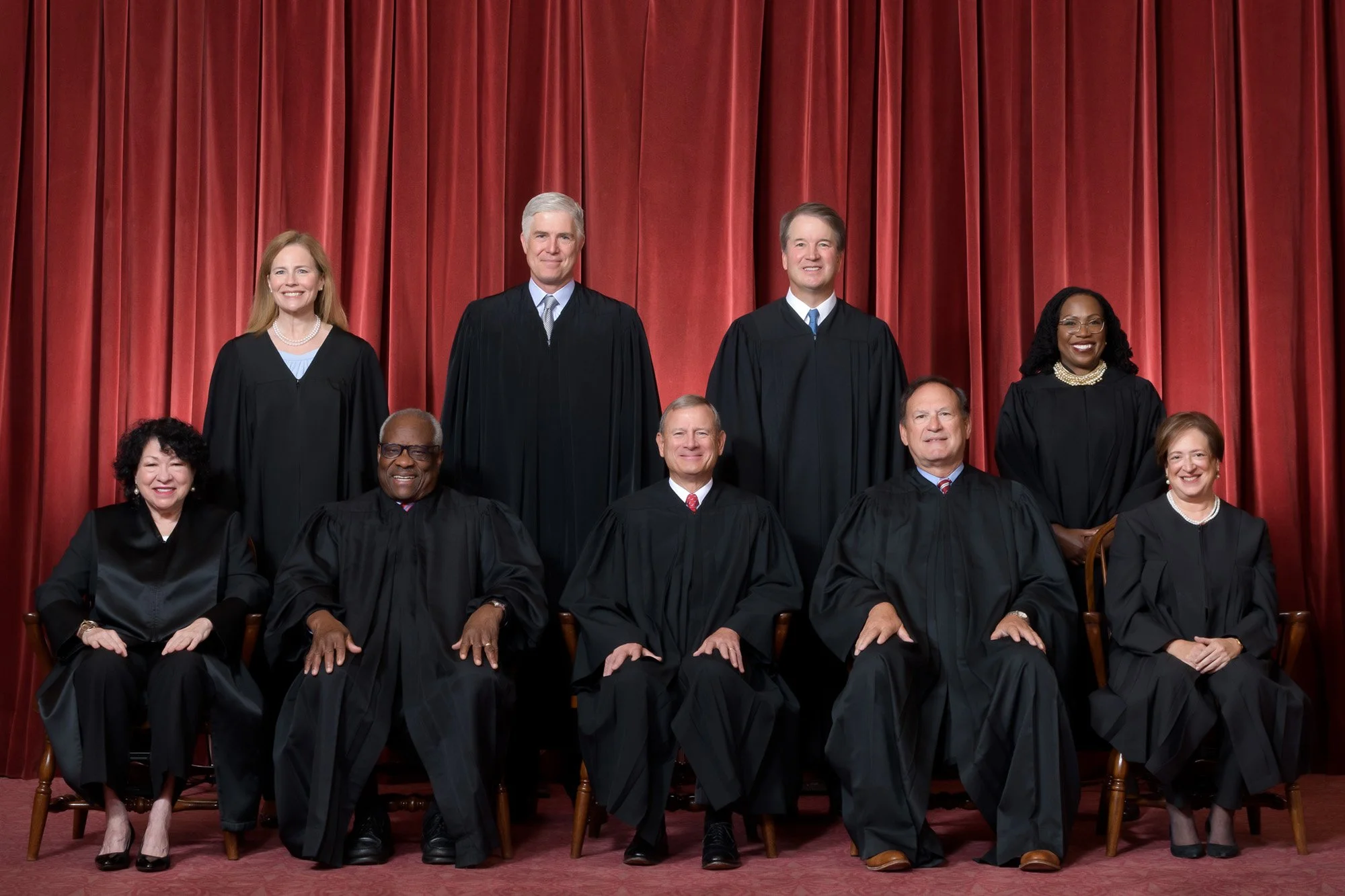
Voting Rights Act was meant to unify, but the result has been division
Charles Mitchell, an associate professor in the School of Journalism and New Media at the University of Mississippi and a member of the Overby Center panel of experts, discussed the Voting Right Act and that the U.S. Supreme Court saw that creating racially safe districts has resulted not in unity, as intended, but in division that has manifested in myriad ways.
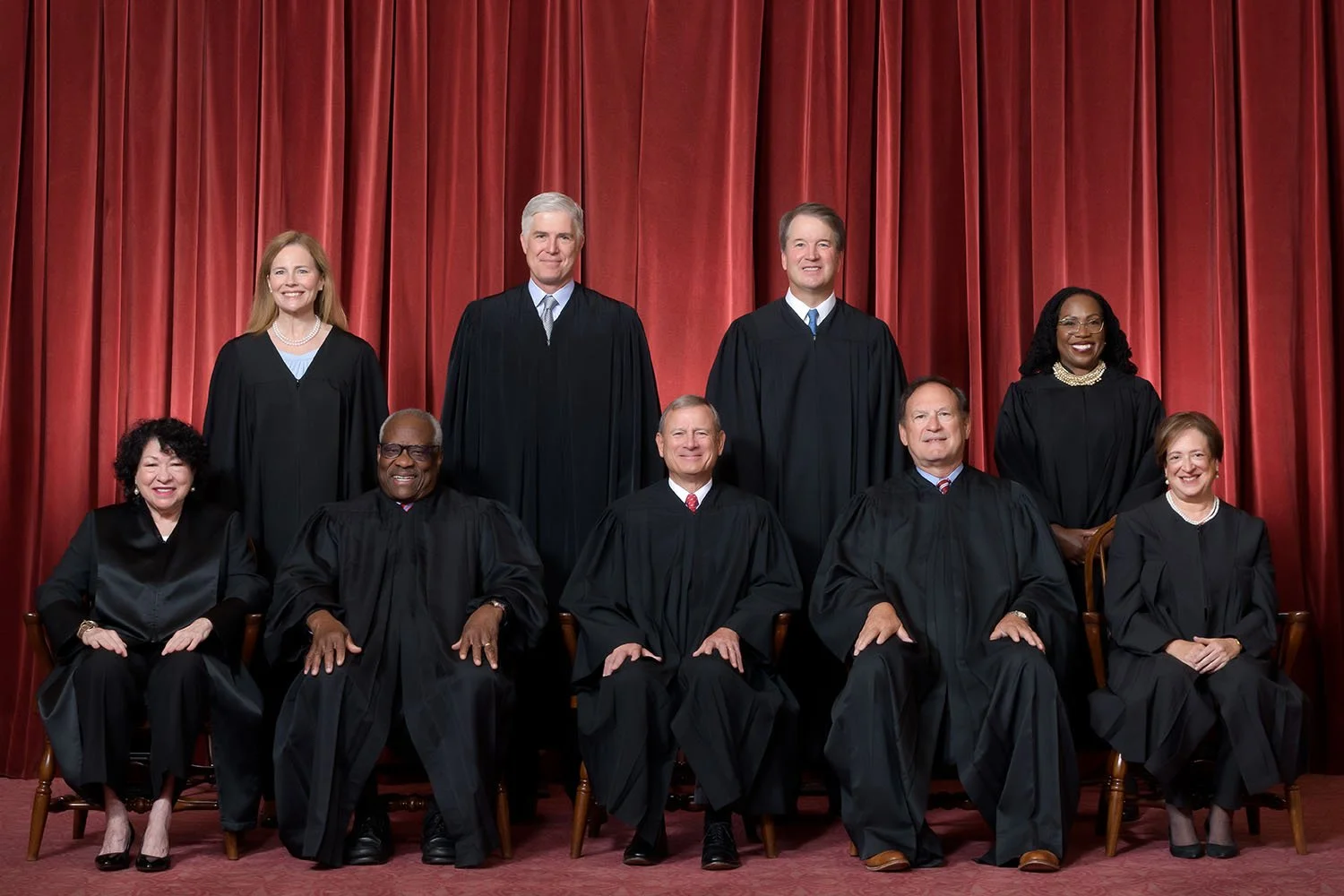
Supreme Court: Voting can be stacked by political party, but not by race
Charles Mitchell, an associate professor in the School of Journalism and New Media at the University of Mississippi and a member of the Overby Center panel of experts, discussed the U.S. Supreme Court decision that overturned Louisiana's congressional map.
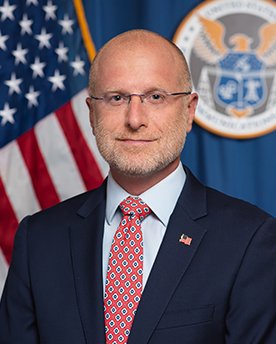
FCC’s chair hints at steering licensure down a treacherous path
Charles Mitchell, a member of The Overby Center panel of experts, discusses how Brendan Carr is using his role within the FCC to pressure broadcasters into supporting the Trump Administration and how that could lead to unforeseen consequences.

In major California social media trial, jurors weigh ‘good business’ vs. ‘treachery’
Charles Mitchell, associate professor in the School of Journalism and New Media at the University of Mississippi, discusses a jury trial involving Meta and Google to decide whether the companies are intentionally addicting customers, especially young customers, without their customers’ knowledge or consent.
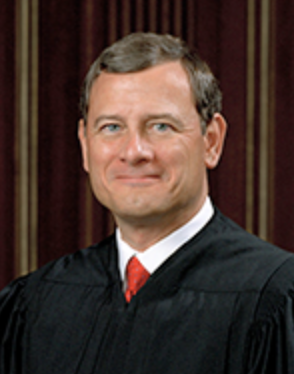
Independent judiciary must not fade into history but remain to ‘stand in the gap’
Charles Mitchell, a member of the Overby Center panel of experts, discusses how Chief Justice John Roberts has long touted the need for an independent judiciary as an essential element in a functioning democracy.

Pentagon’s media policy a serious impediment to the free flow of information
Charles Mitchell of the University of Mississippi and a member of the Overby Center panel of experts discusses the Pentagon’s new media policy imposed by Pete Hegseth.
Increase in ‘safe seats’ brings decrease in effective democracy by Congress
Charles Mitchell of the University of Mississippi and a member of the Overby Center panel of experts discusses the sharp division of political parties and the redistricting of congressional districts to increase “safe seats.”

Drawing of district lines has long been done for political power, not fairness
Gerrymandering of district lines has been around a long time, writes Charles Mitchell of the University of Mississippi and a member of the Overby Center panel of experts. And Chief Justice John Roberts, in a majority opinion in 2019, wrote that it’s up to voters, not the courts, to deal with the issue.

50 years of effective service by public broadcasting ignored by Congress
After 50 successful years, the president and Congress decided to save $500 million (less than $2 per American per year) by refusing to fund the Corporation for Public Broadcasting. The move is purely political, writes Charles Mitchell of the University of Mississippi and the Overby Center.

First Amendment designed to be a shield, but now is being used as a sword
Charles Mitchell of the University of Mississippi and a member of the Overby Center panel of experts discusses the Trump administration’s attempts to use the First Amendment to change higher education.
Trump challenge to universities is a threat to history and nature of academic inquiry
Professor Charles Mitchell of the University of Mississippi writes that the Trump administration’s agenda for universities would undermine their historic independence and research ability.
U.S. Department of Education began as an acorn and is now a forest
The Department of Education is comparable to a forest, funding dozens of programs in all states and territories and issuing edicts forcing local schools to spend lots of cash on filing compliance forms.
A president-centric nation was not part of the plan by the Founders
The use of executive orders to make law has increased rapidly in the last 50 years, and for various reasons.
The slog toward erasing bias: Long, complicated and incomplete
Charles Mitchell of the University of Mississippi and a member of the Overby Center panel of experts argues that the benefits of diversity initiatives can be significant.
Supreme Court clarifies one social media challenge, leaves one for later
The U.S. Supreme Court ruled in Moody v. Netchoice that the government does not have the authority to dictate what social media companies must include on their sites. Professor Charles Mitchell of the Overby Center discusses the Moody v. Netchoice decision and the immunity issue that awaits the Supreme Court in the future because of Section 230 of the Communications Decency Act of 1996.

History provides the recipe for Democrats in Mississippi
In Mississippi, more than any other state, the margin of victory is often decided by who decides to cast a ballot. Charles Mitchell looks back on the 1987 race for governor between Ray Mabus and Jack Reed Sr. He compares it to this year’s top of the ticket features incumbent Republican Tate Reeves and Democrat Brandon Presley.