
News & Analysis
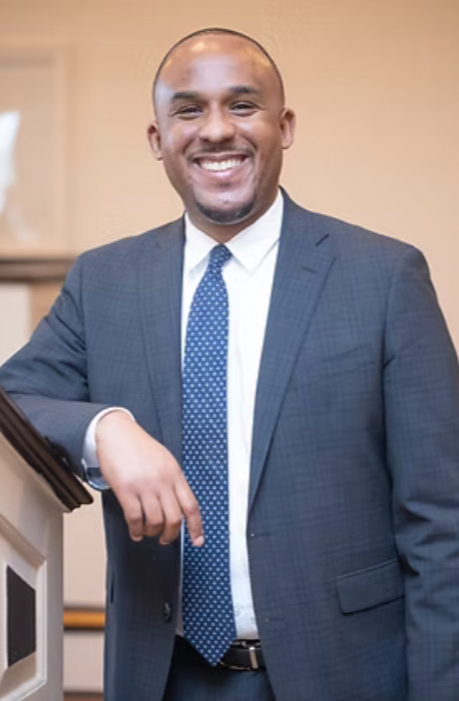
Charles Mitchell, professor in the University of Mississippi School of Journalism and New Media and a member of the Overby Center panel of experts, analyzes the reasons for the historic election of Sen.-elect Scott Colom. Colom will be the first Black senator from Mississippi since Reconstruction.

Every day in cities and towns across the United States, city councils, county commissions, local zoning boards and many other government bodies weigh issues and make decisions that affect residents. One way that people learn about and get a say in these decisions is through public meetings.
Together, public meeting laws and the First Amendment help ensure that government remains of, by and for the people. This article was researched and written with contributions from Freedom Forum Staff Writer Karen Hansen, along with Freedom Forum experts Senior Fellow for the First Amendment Gene Policinski, Vice President and First Amendment Expert Kevin Goldberg, and First Amendment Specialist Alex Morey.
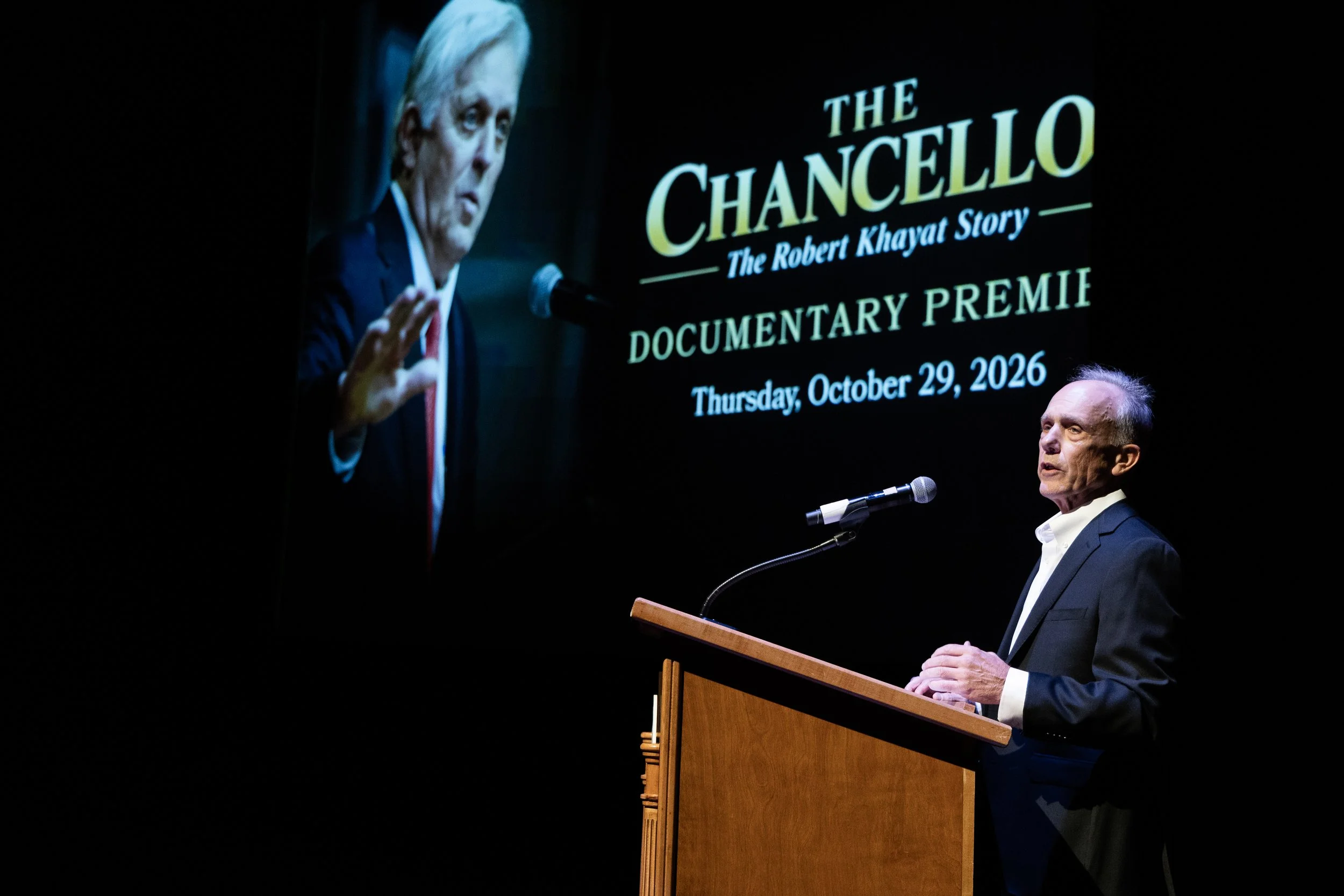
The Overby Center for Southern Journalism and Politics hosted the premiere documentary film screening of “The Chancellor: The Robert Khayat Story,” on Oct. 29 at the Ford Center for the Performing Arts at the University of Mississippi. Overby Center board member David Crews directed and produced the film.
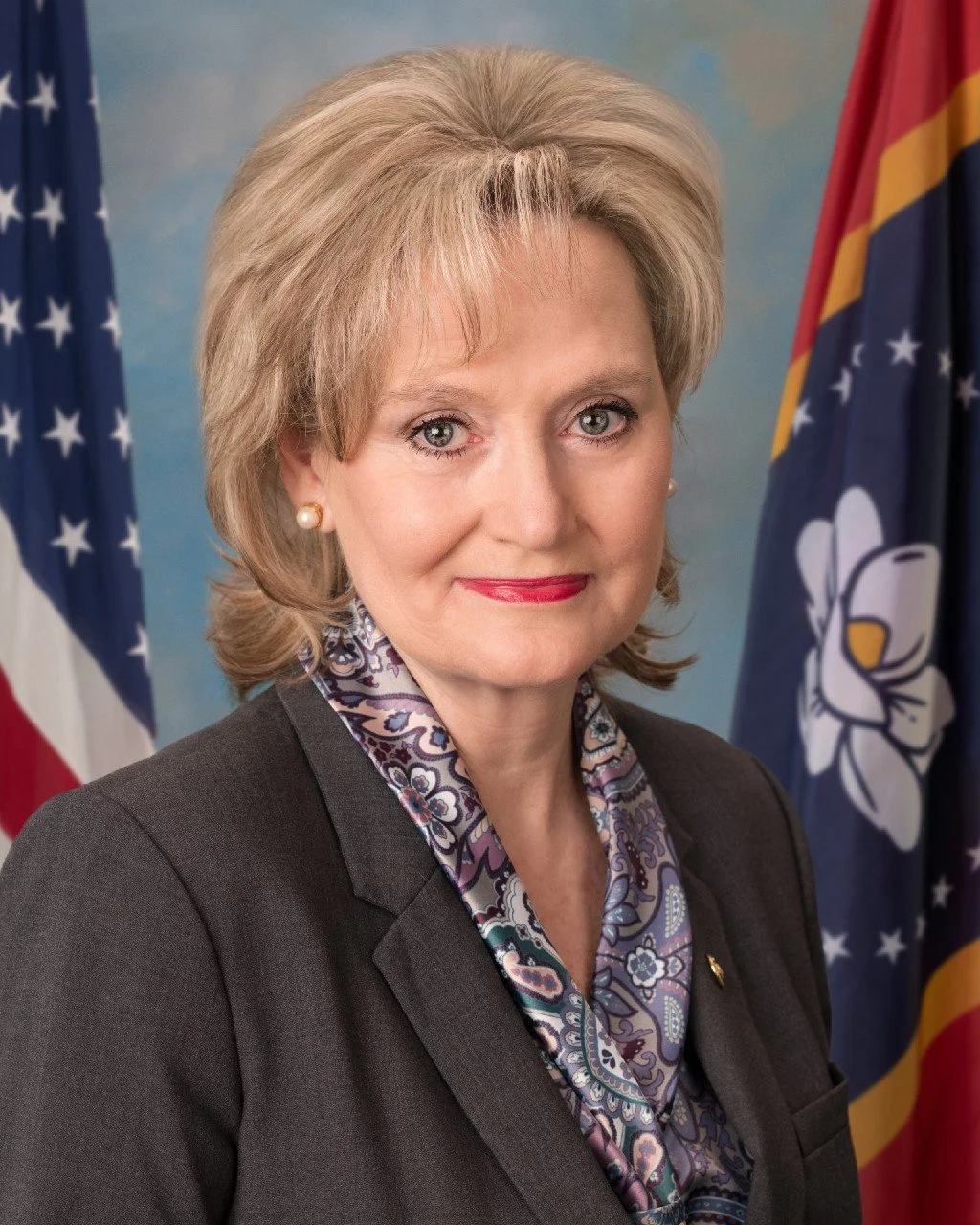
Charles Mitchell, an associate professor in the School of Journalism and New Media at the University of Mississippi and a member of the Overby Center panel of experts, discusses the uncalled midterm election race in Mississippi between Sen. Cindy Hyde-Smith and Scott Colom.
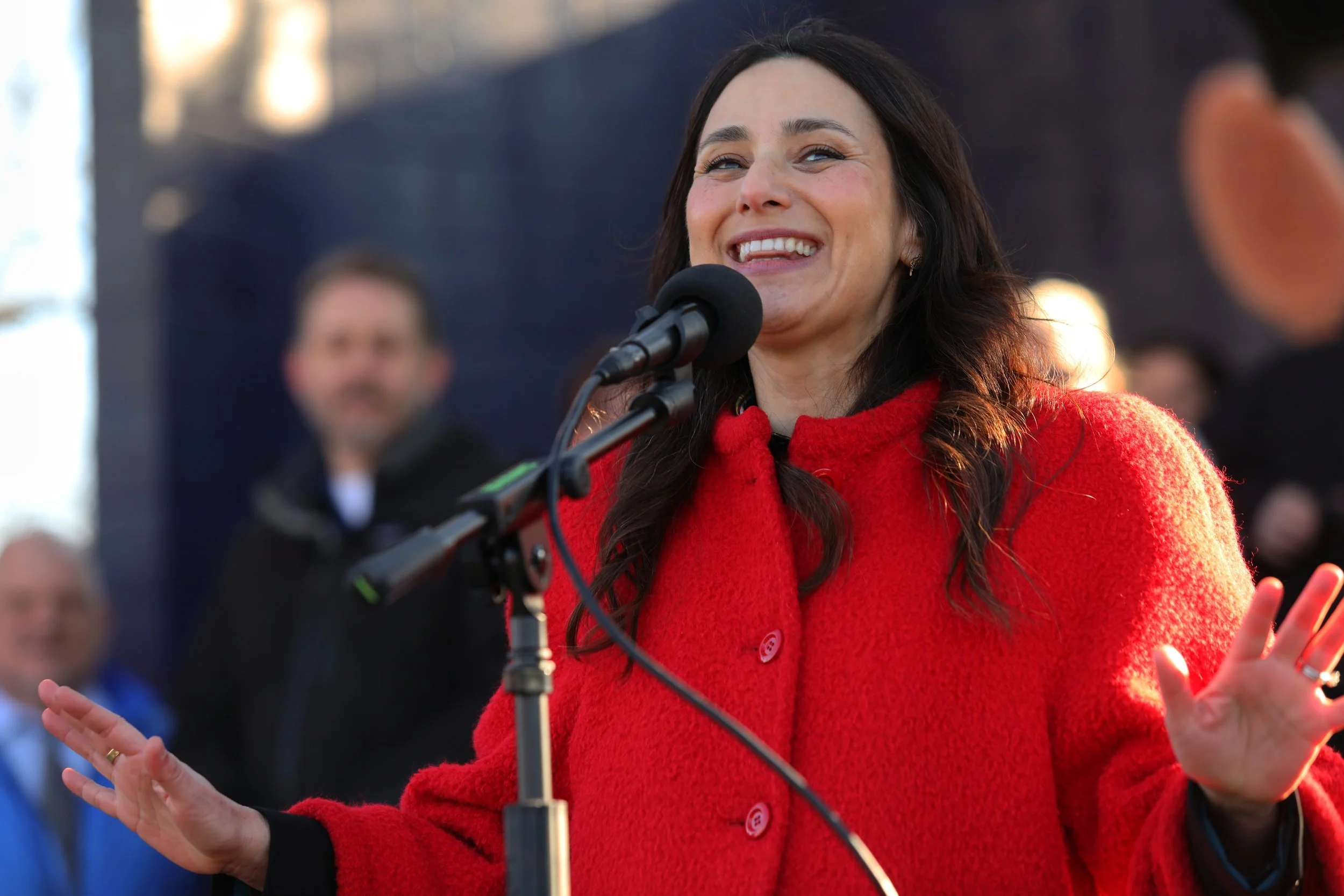
Tony Pederson, managing fellow of the Overby Center for Southern Journalism and Politics, discusses how President Donald Trump was a part of the midterm vote through his brand. In an election-night interview with The New York Times as the votes began to show a Democratic sweep, President Donald Trump tried to blame turnout, saying that Republicans couldn’t get the vote out because he wasn’t on the ballot. But he was a part of the vote in every state where he had barnstormed in the two weeks before the midterm and, especially, where he had put his brand forward in supporting poor candidates.
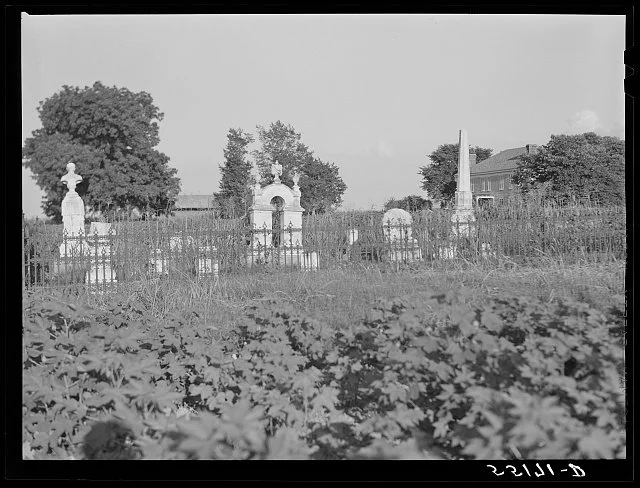
Robert F. Darden, a professor emeritus in Journalism at Baylor University and a member of the Overby Center panel of experts, writes about the songs of America’s unknown enslaved poets and how they speak powerfully to us today.
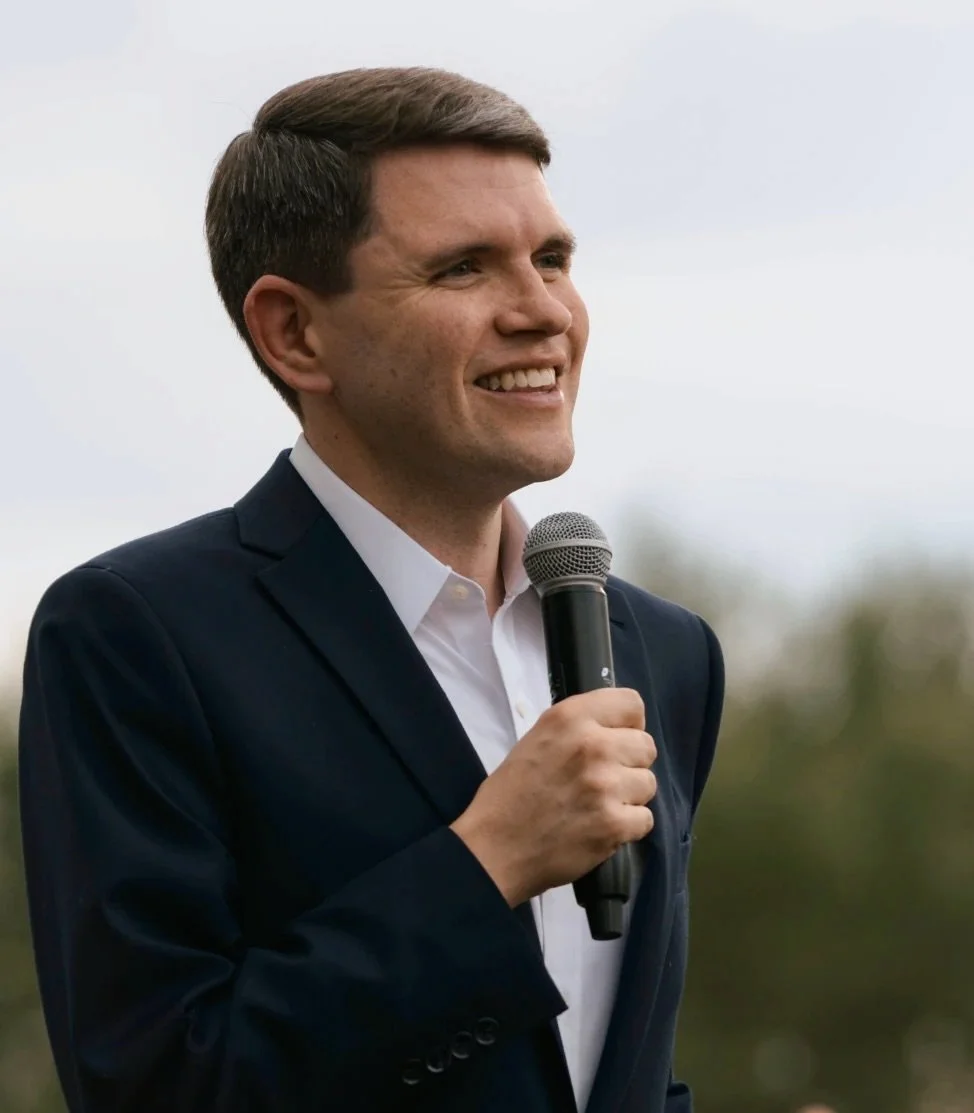
Tony Pederson, managing fellow of the Overby Center for Southern Journalism and Politics and professor emeritus in journalism at Southern Methodist University in Dallas, writes about the Senate race in Texas between Texas Attorney General Ken Paxton and Democratic challenger James Talarico, a member of the Texas House of Representatives and former student at Austin Presbyterian Theological Seminary. With Trump’s endorsement and full MAGA support on the line, it would be a Catch-22 if Talarico were to win and give Democrats the majority in the Senate.
Evan Ringel, an assistant professor of media law at Appalachian State University in Boone, N.C. and a member of the Overby Center panel of experts, discusses the First Amendment implications in the landmark multistate settlement. The settlement was to resolve claims that the company had endangered teens by intentionally creating and implementing addictive design features. Ringel writes that the First Amendment places significant limits on direct government regulation of online expression.
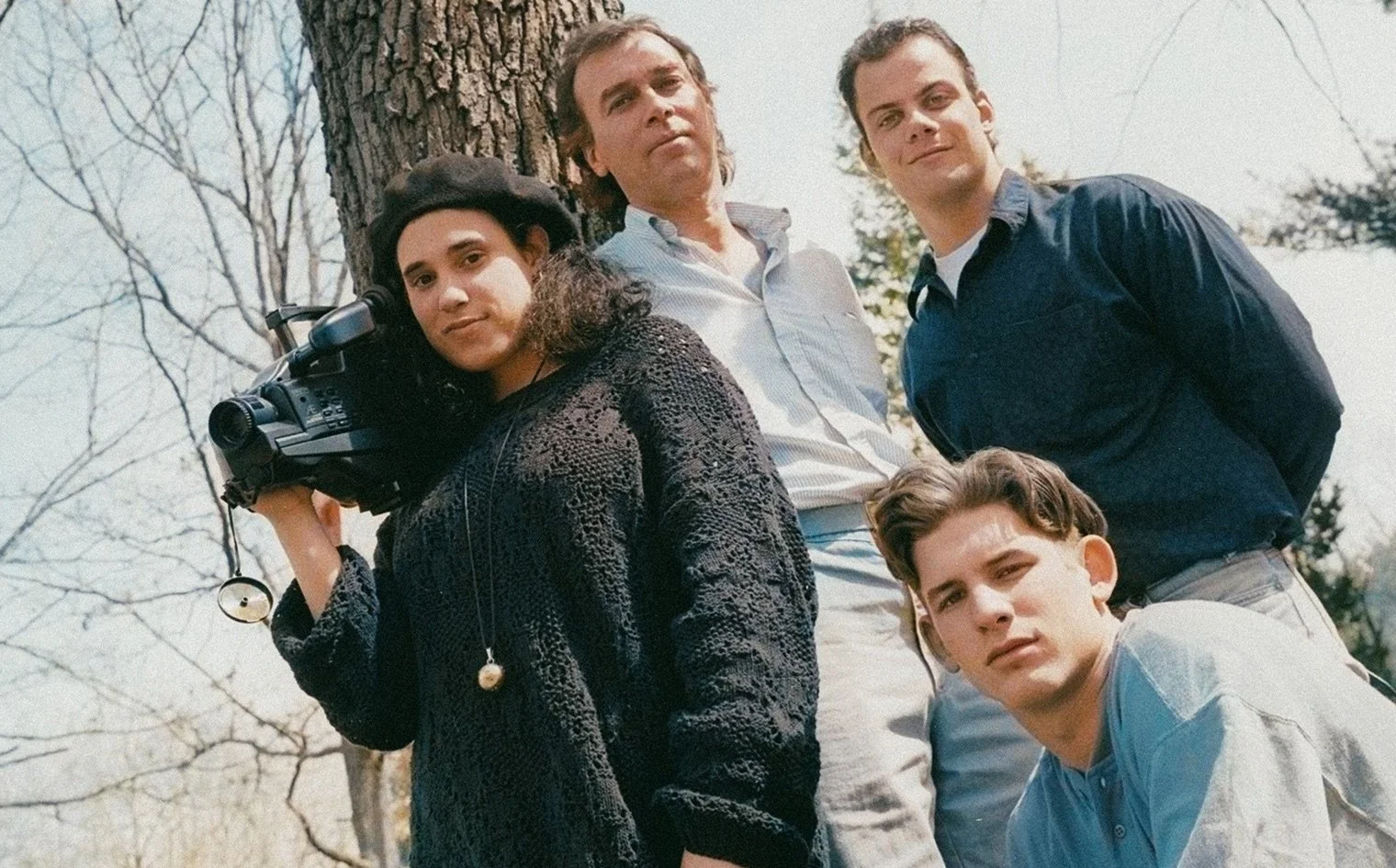
R.J. Morgan, an instructional associate professor in the School of Journalism and New Media at the University of Mississippi and director of the Mississippi Scholastic Press Association, discusses the film “Teenage Wasteland” and the importance of high school journalism. In the early 1990s in Middletown, N.Y., a group of high school students thrown into an “Electronic English” class shot and edited a documentary film “Garbage, Gangsters and Greed” about the insidious nature of their local landfills. Now, 30 years later, a new documentary currently streaming on Netflix called “Teenage Wasteland” interviews the now-adult students from Middletown and recounts their tale.
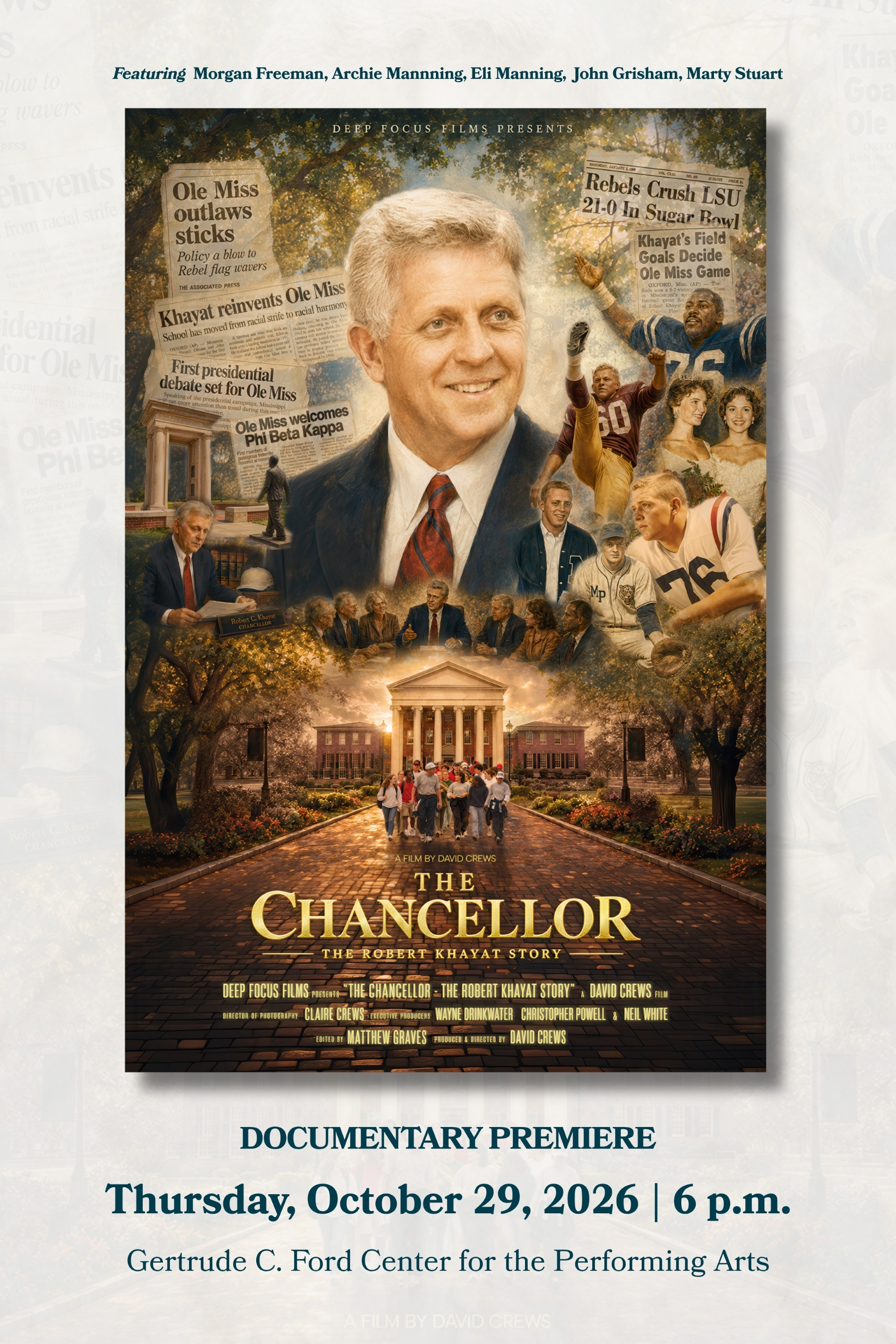
A Robert Khayat documentary premiere will be the focus of a program on Oct. 29 at the Ford Center for the Performing Arts. “The Chancellor” was produced and directed by Overby Center board member David Crews.
Charles Mitchell, an associate professor in the School of Journalism and New Media at the University of Mississippi and a member of the Overby Center panel of experts, discusses the challenges of interpreting laws and how they are applied to the United States.
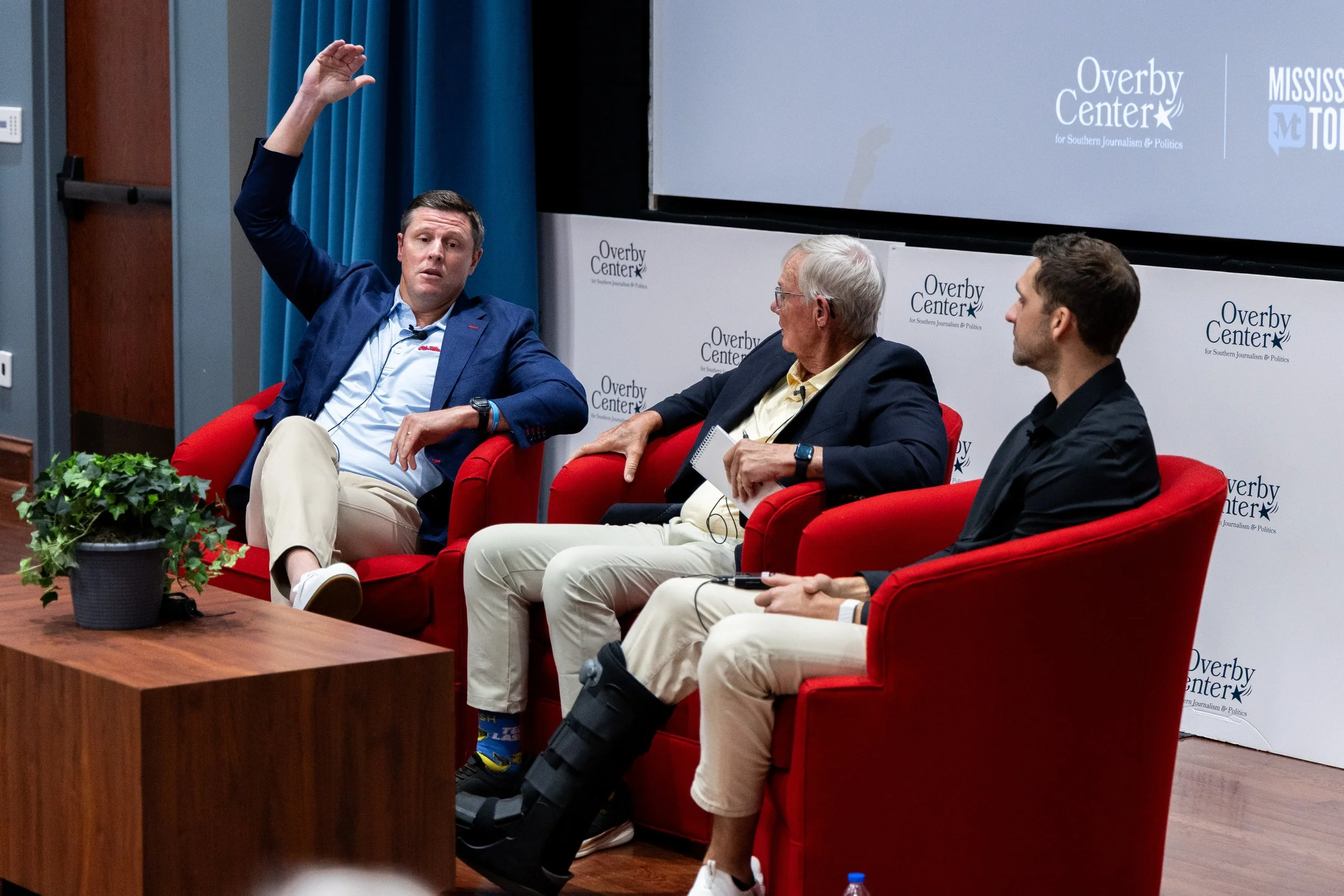
The consensus that there is a need for guardrails and limits on money and budgets to protect the competitiveness and integrity of college sports was the subject of a panel discussion at the Overby Center for Southern Journalism and Politics on Sept. 17. The “College Athletics: It’s a Whole New Ballgame” program explored the Protect College Sports Act.
John McClain, a veteran NFL writer and a member of the Pro Football Hall of Fame, writes a brief history of sports in our first 250 years and notes the power of sports loyalties to unite us despite our differences.
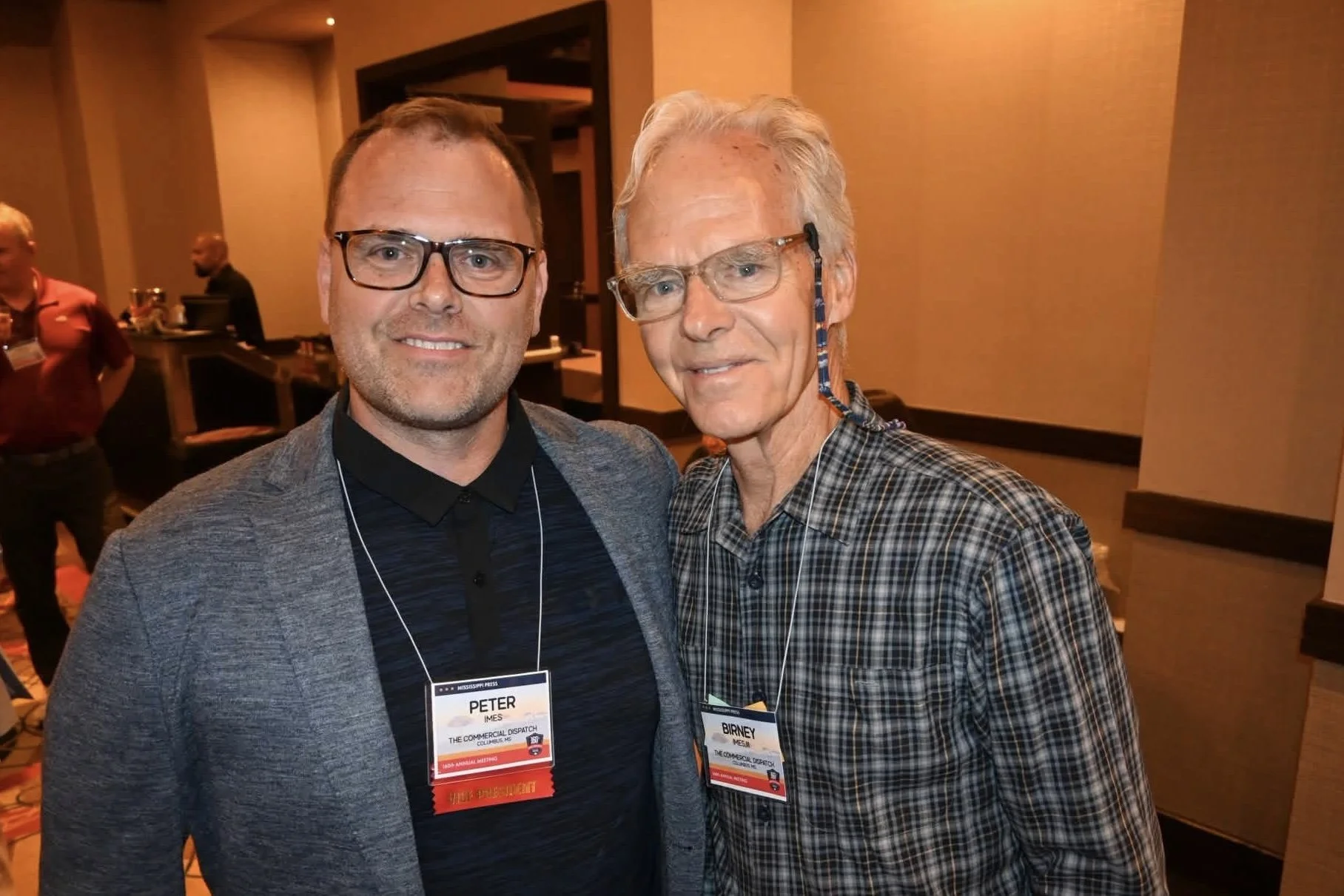
In an exclusive Q&A with the Overby Center for Southern Journalism and Politics, Peter Imes shares how he addresses challenges in the newsroom, his method for transparency in journalism, his insights on the future of journalism, etc.
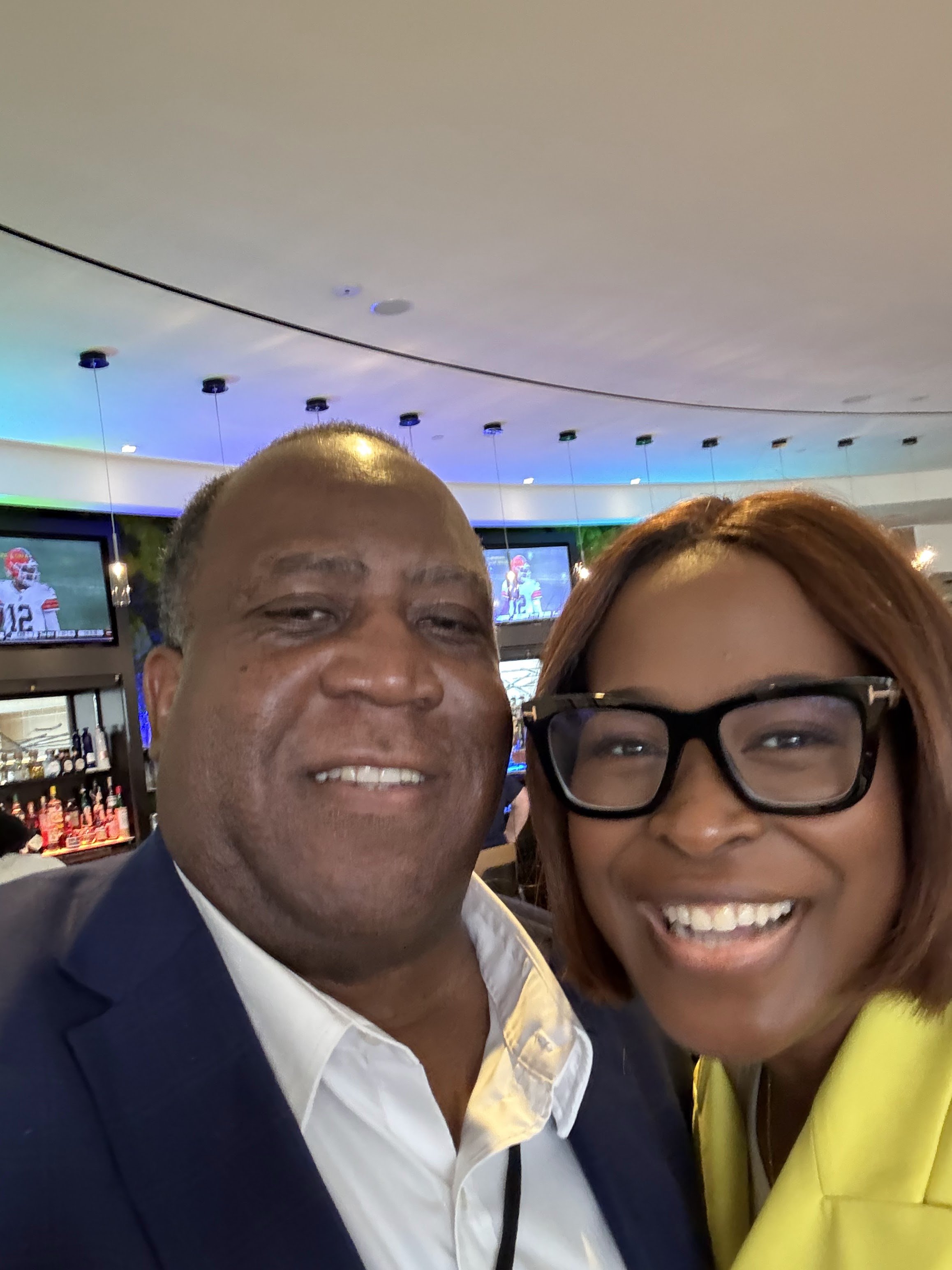
Ronnie Agnew, a longtime editor and news media executive and a member of the Overby Center panel of experts, writes about the decline of Black journalists and the importance of diversity in the newsroom.
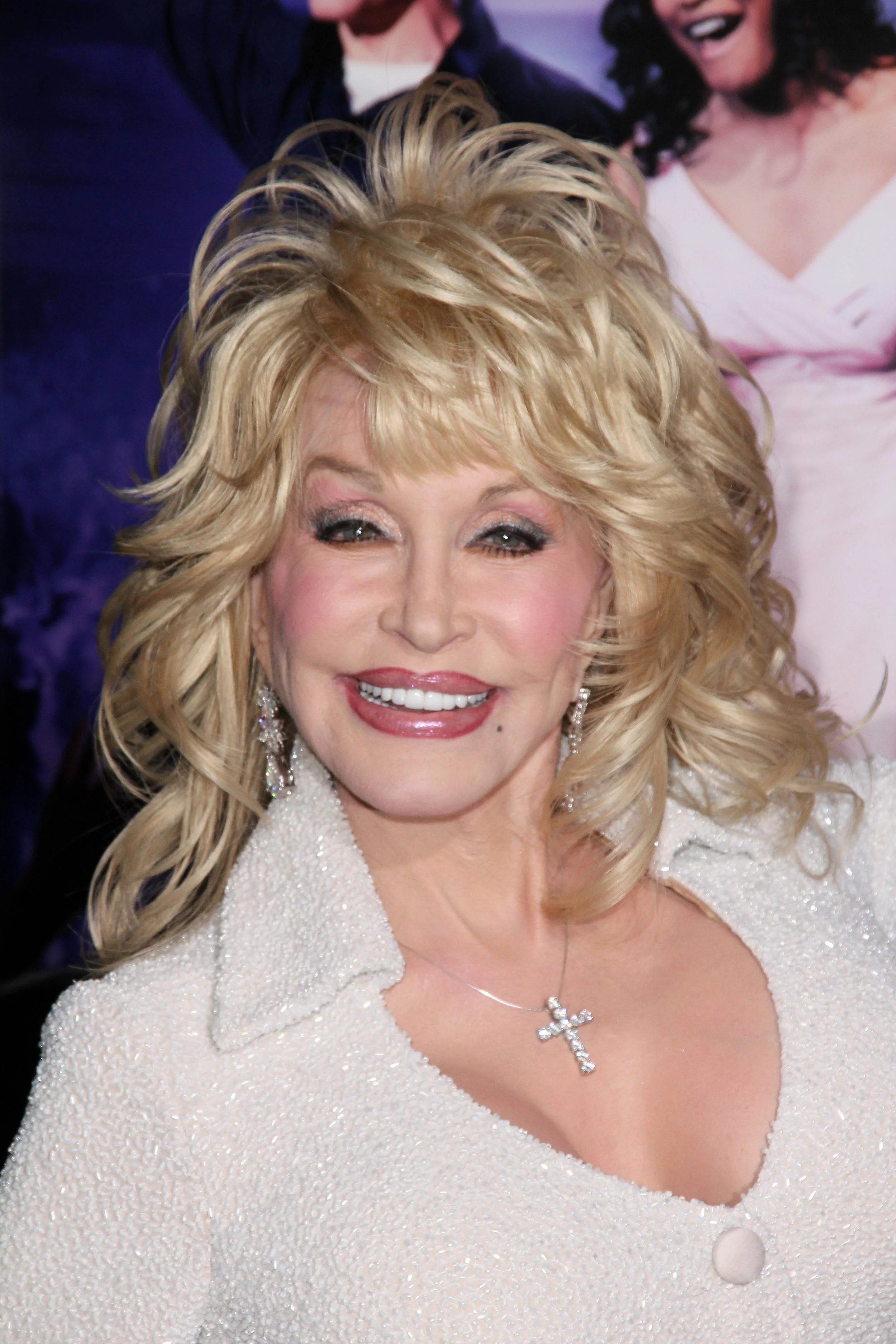
Charles Mitchell, an associate professor in the School of Journalism and New Media at the University of Mississippi and a member of the Overby Center panel of experts, writes about the legacy of Dolly Parton and the history of feminism.
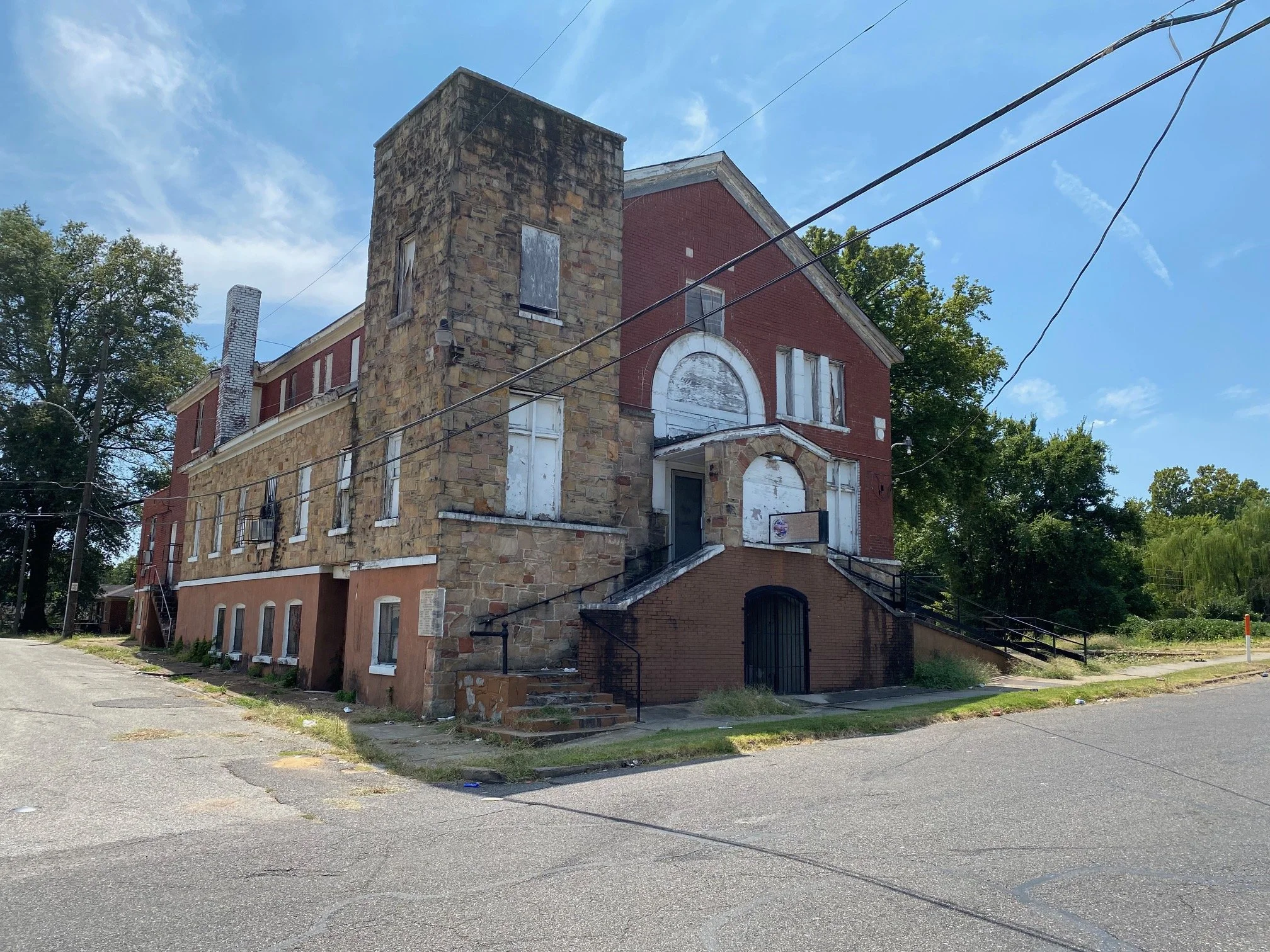
Robert F. Darden, professor emeritus in Journalism at Baylor University and a member of the Overby Center panel of experts, discusses the sacred, transcendent spaces of Memphis’ past. Darden explored the sites, which include the East Trigg Baptist Church, the original headquarters of the Church of God in Christ denomination, and the Lorraine Hotel.
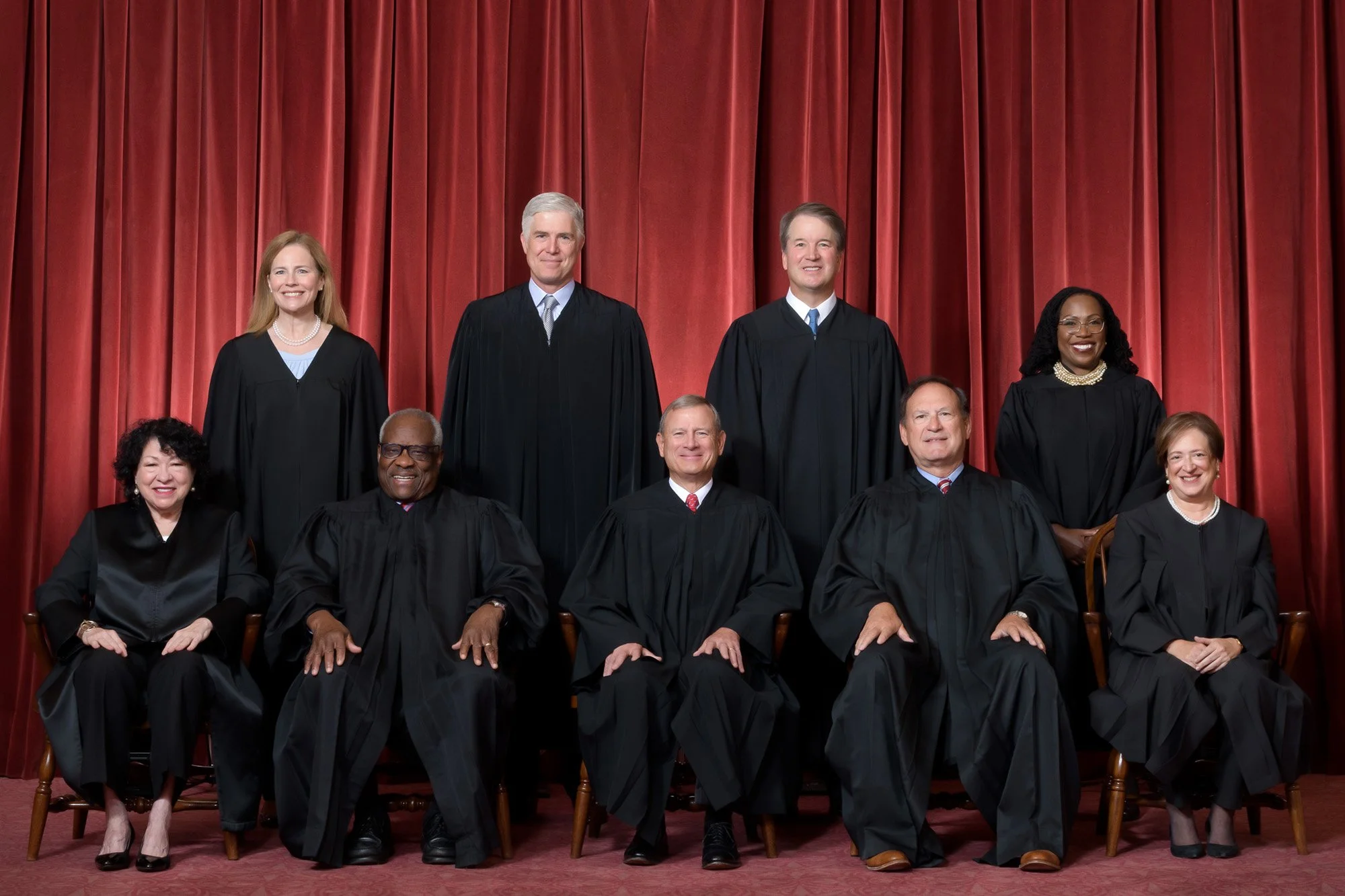
Charles Mitchell, an associate professor in the School of Journalism and New Media at the University of Mississippi and a member of the Overby Center panel of experts, discussed the Voting Right Act and that the U.S. Supreme Court saw that creating racially safe districts has resulted not in unity, as intended, but in division that has manifested in myriad ways.
Terry Mattingly, writer of the national "On Religion" column for the Andrews McMeel Universal syndicate and "Rational Sheep," a Substack newsletter on faith and mass media, writes about membership decline in faith denominations.
Tony Pederson, managing fellow of the Overby Center for Southern Journalism and Politics and professor emeritus in journalism at Southern Methodist University in Dallas, writes about the Trump administration placing historic pressures on major news organizations through libel lawsuits and issuing subpoenas.
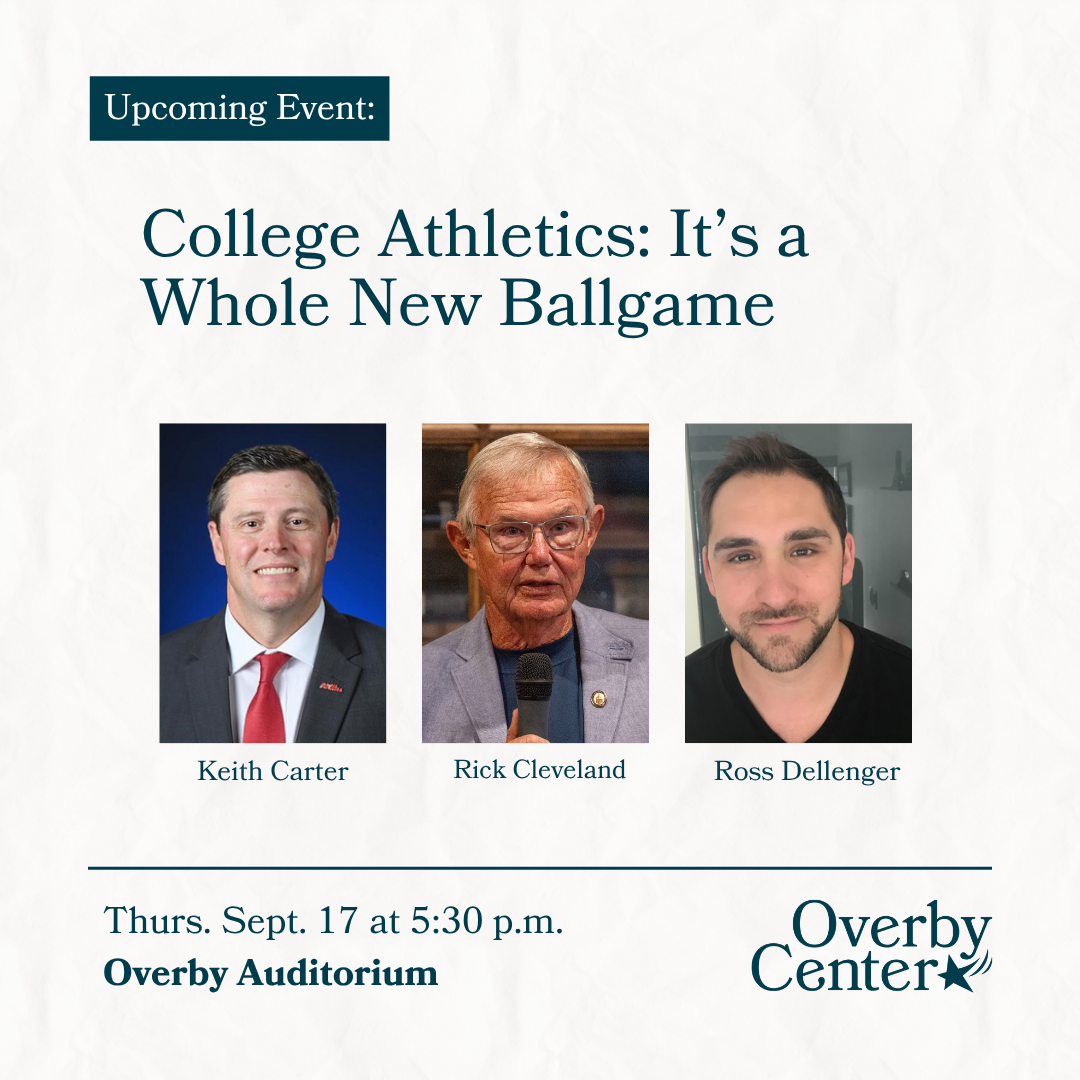
The rapidly changing world of college athletics will be the focus of a program on Sept. 17 at the Overby Center for Southern Journalism and Politics at the University of Mississippi. “College Athletics: It’s a Whole New Ballgame,” will be co-sponsored by Mississippi Today, the state’s Pulitzer Prize-winning nonprofit news organization.
Carlos Sanchez, a freelance writer based in McAllen, Texas, writes about the controversy known as The Longoria Affair and how it helped launch Mexican American rights. The catalyst involved a young, decorated soldier named Felix Longoria who was killed in action in the Philippines just three months before World War II officially ended in 1945.
Jared Schroeder, an associate professor at the University of Missouri School of Journalism and a member of the Overby Center panel of experts, writes that human decisions are being made about what AI tools do and act. AI tools are challenging people to determine what limits should be placed on them by individual citizens and the government to protect the nation.

Jared Schroeder, an associate professor at the University of Missouri School of Journalism and a member of the Overby Center panel of experts, writes about AI-generated videos influence on voters’ opinions in the midterm elections this year.
Robert F. Darden, a professor emeritus in Journalism at Baylor University and a member of the Overby Center panel of experts, writes about the complex relationship between 4th of July-styled patriotism and Black gospel music.
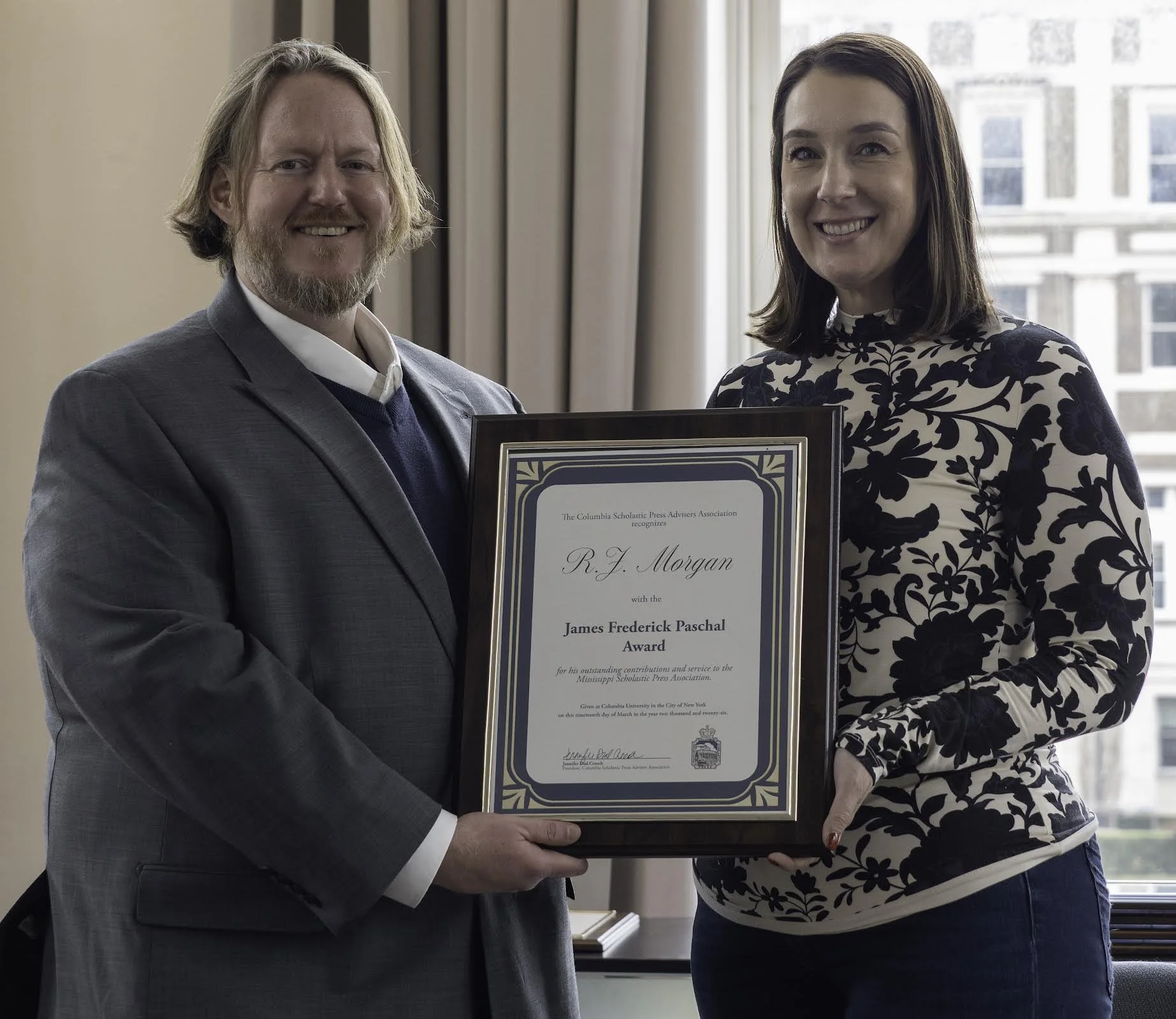
R.J. Morgan, an instructional professor in the School of Journalism and New Media at the University of Mississippi and director of the Mississippi Scholastic Press Association, discusses scholastic journalism education and the Columbia Scholastic Press Association. He received the CSPA James F. Paschal Award for excellence in scholastic press leadership, which he says is somewhat of a lifetime achievement award for a scholastic press director.

Terry Mattingly, a member of the Overby Center panel of experts, discusses the growth in worship attendance for churches and urges people to keep asking questions about why attendance is growing or shrinking. Mattingly writes the national "On Religion" column for the Andrews McMeel Universal syndicate and "Rational Sheep," a Substack newsletter on faith and mass media.
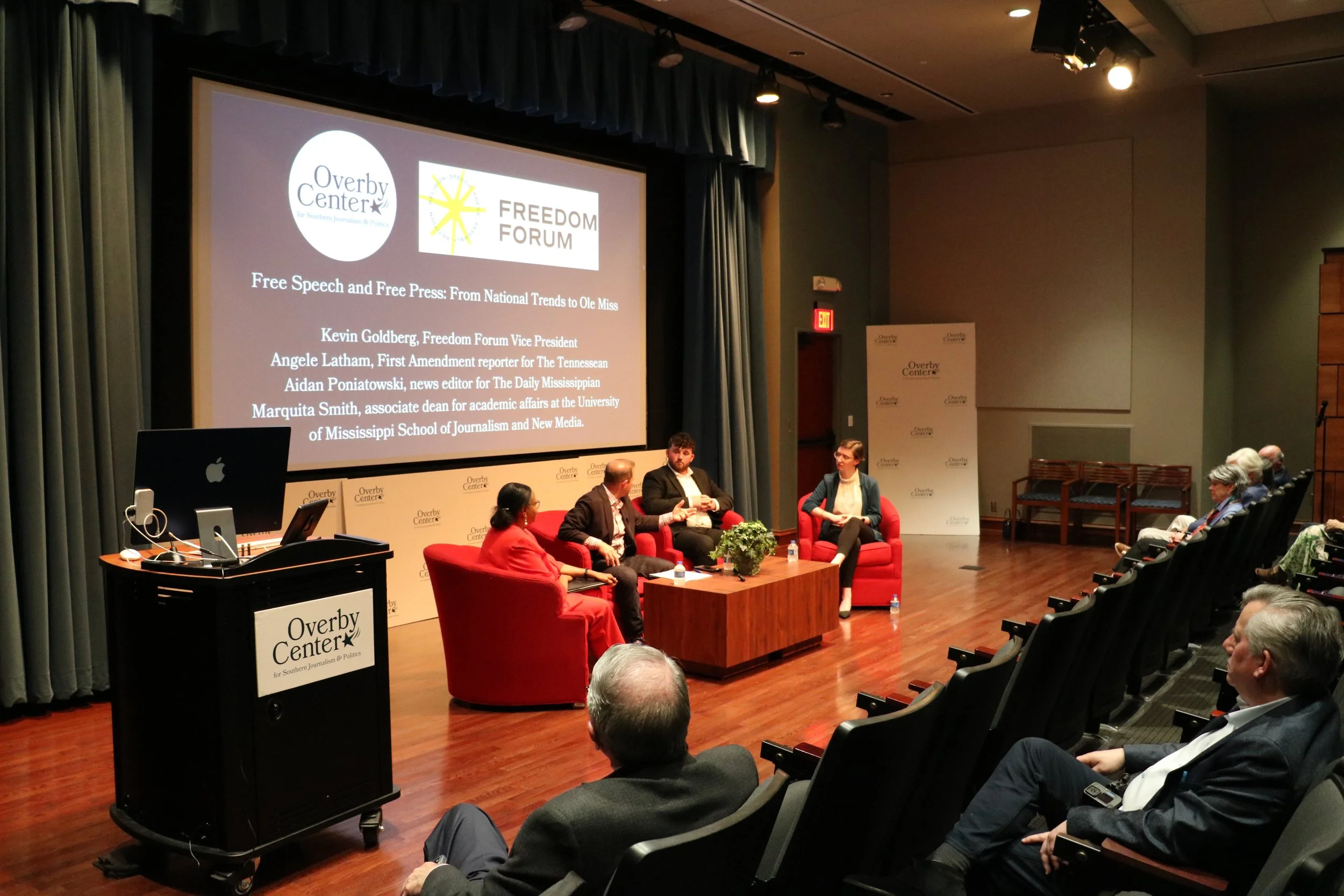
The Freedom Forum's annual survey "Where America Stands," regarding awareness, understanding and support of the First Amendment, was the subject of a panel discussion at the Overby Center for Southern Journalism and Politics on April 29. The latest survey showed that while admiration for the First Amendment is widespread, understanding of its five freedoms is uneven.
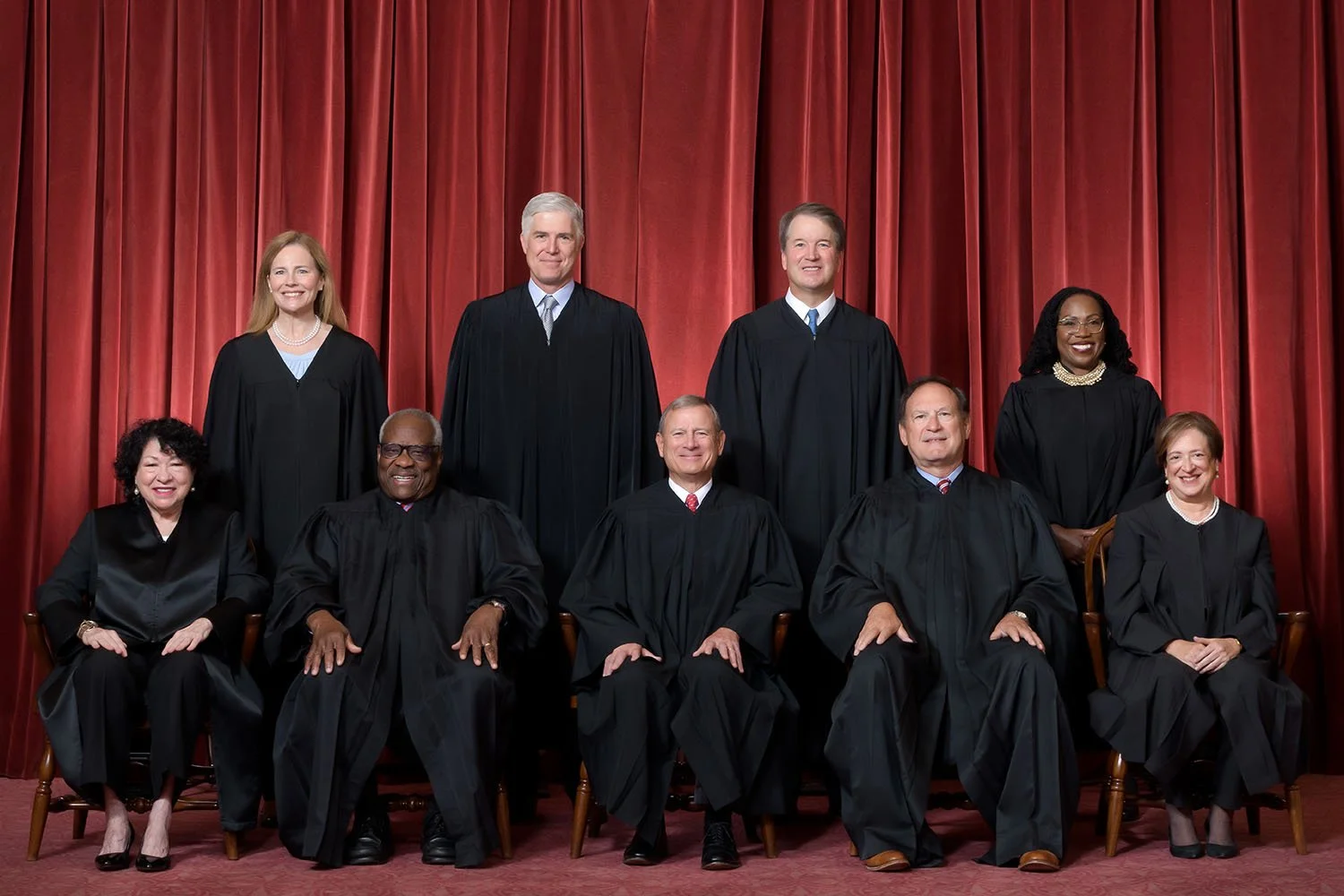
Charles Mitchell, an associate professor in the School of Journalism and New Media at the University of Mississippi and a member of the Overby Center panel of experts, discussed the U.S. Supreme Court decision that overturned Louisiana's congressional map.