
By Akayla Hughes
Press the play button to see the full video of the program.
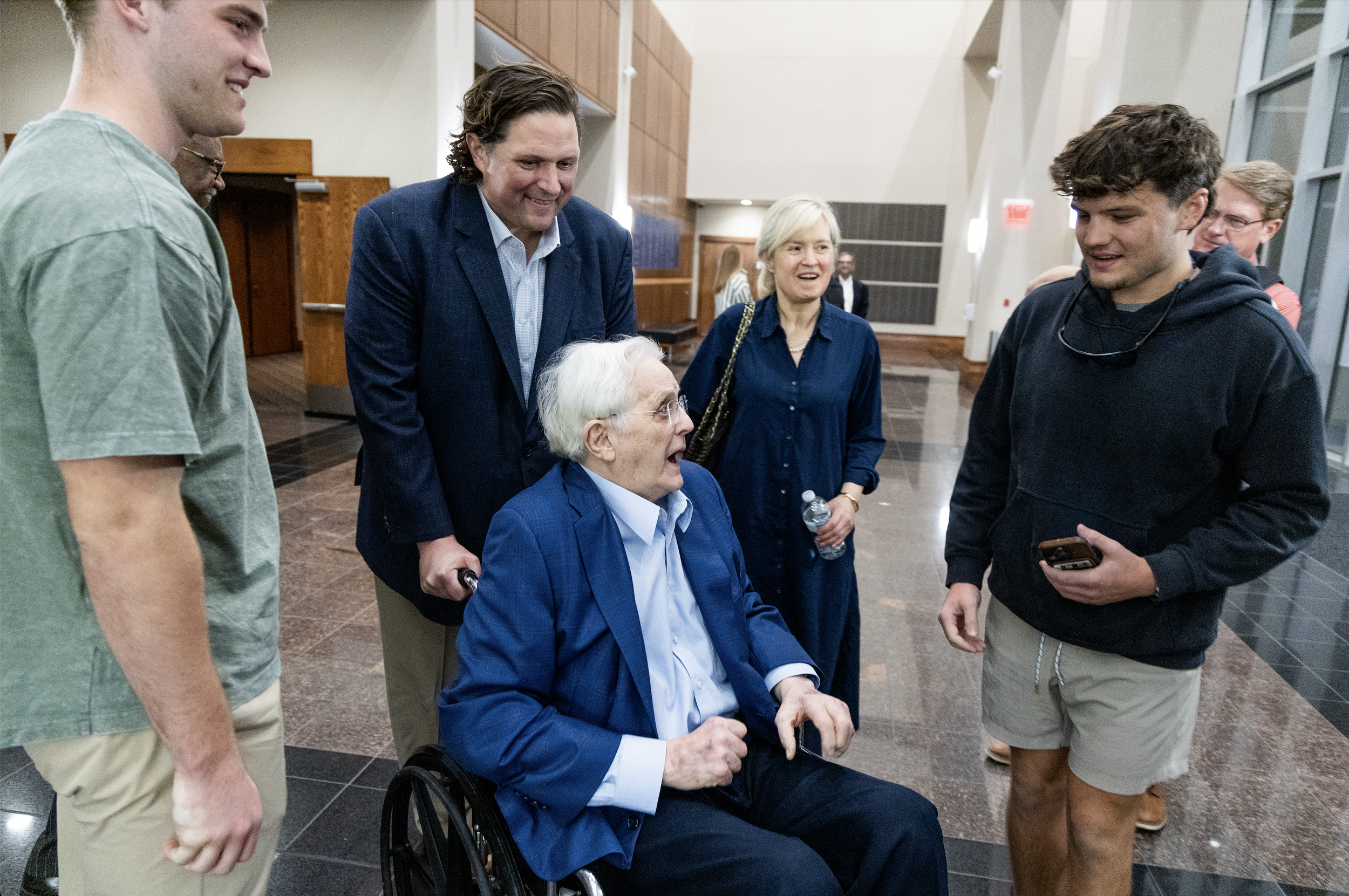
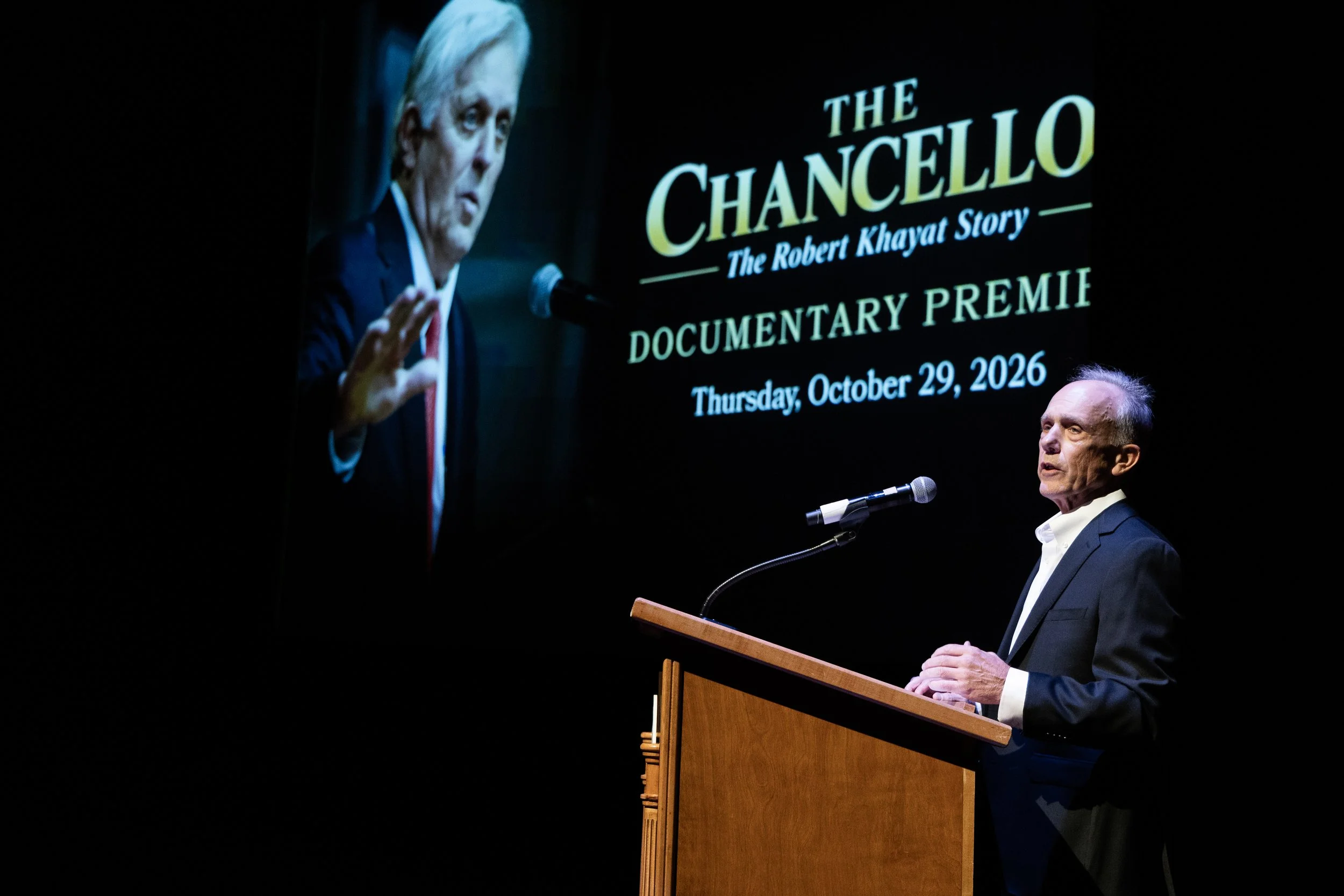
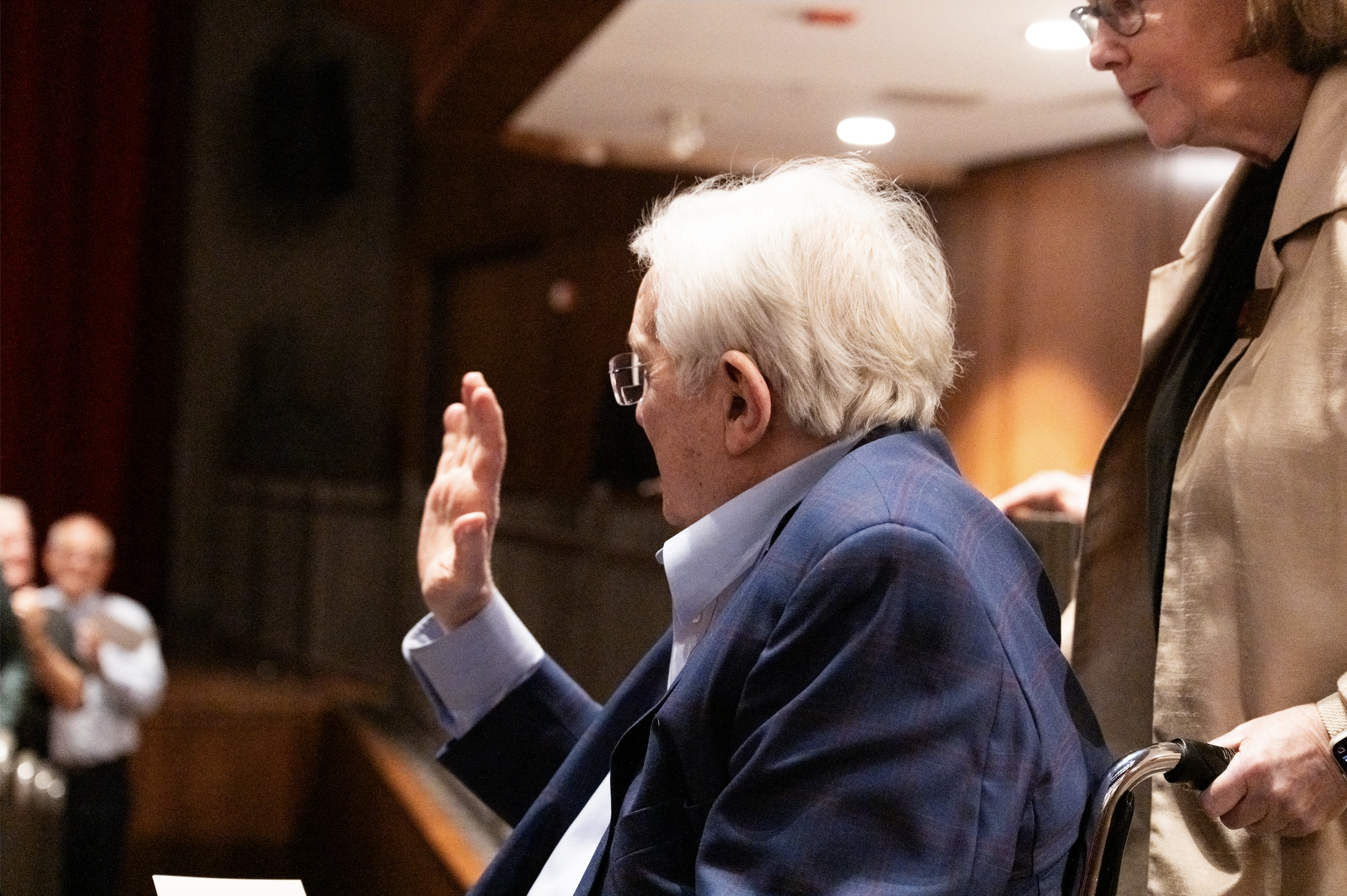
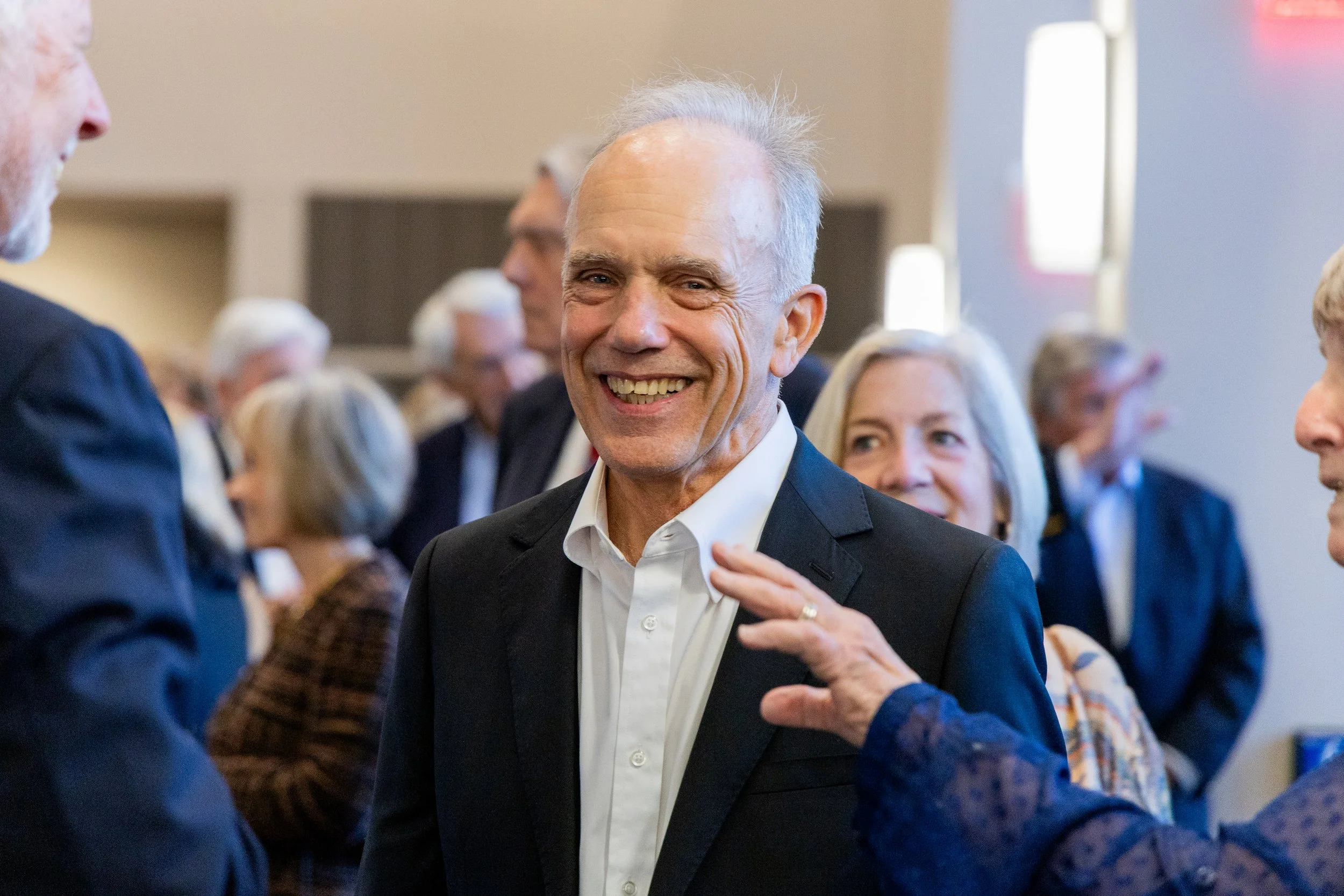
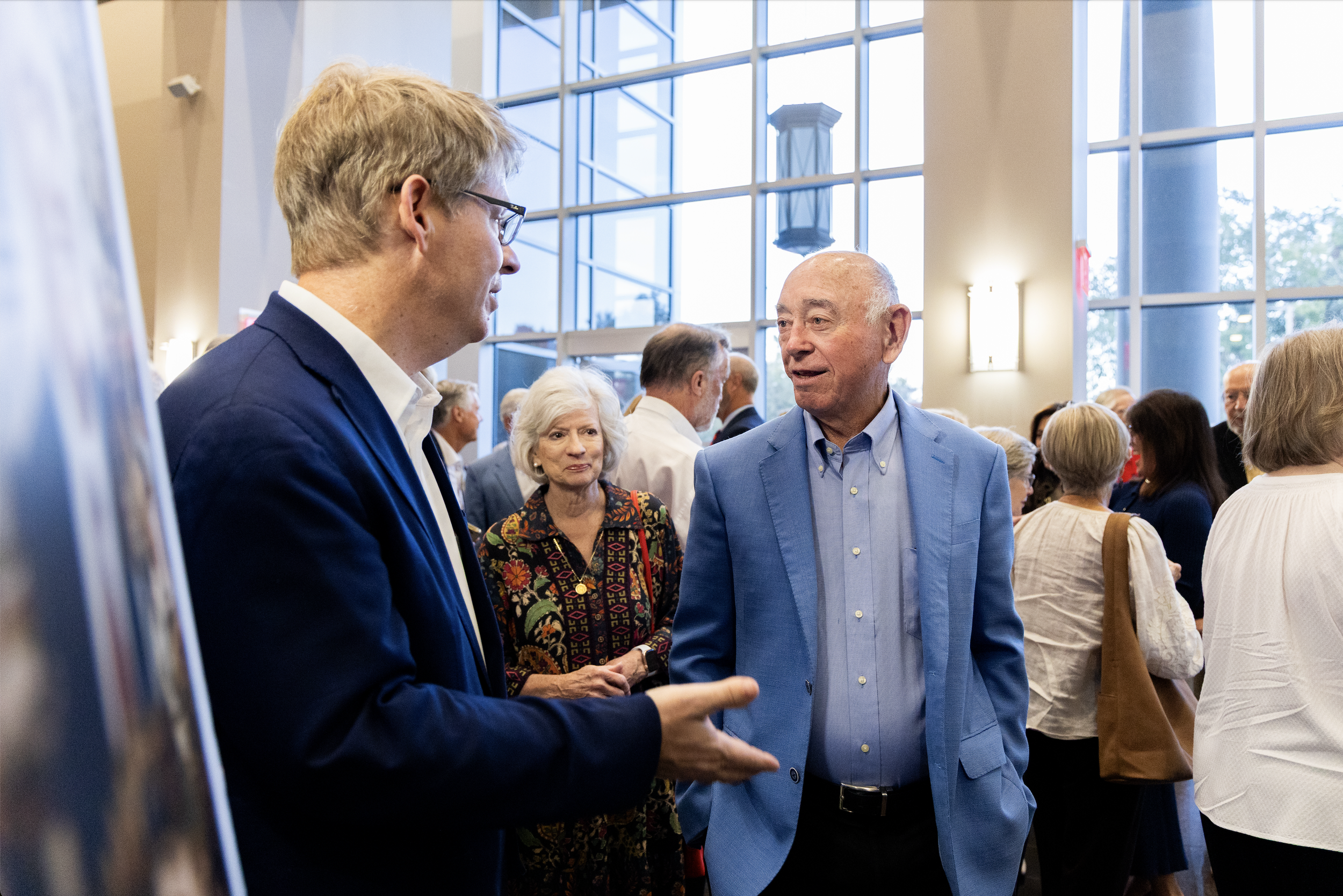
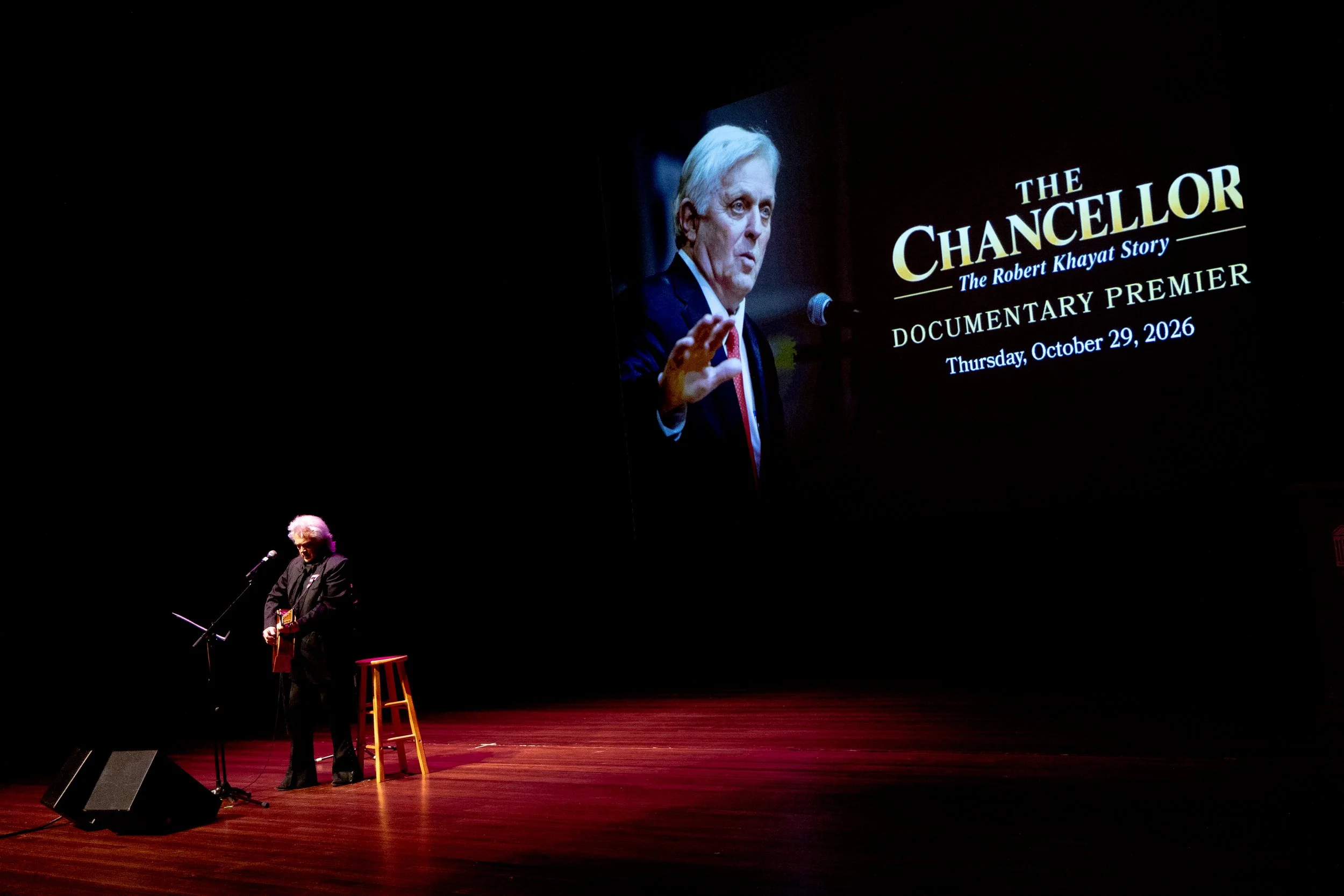
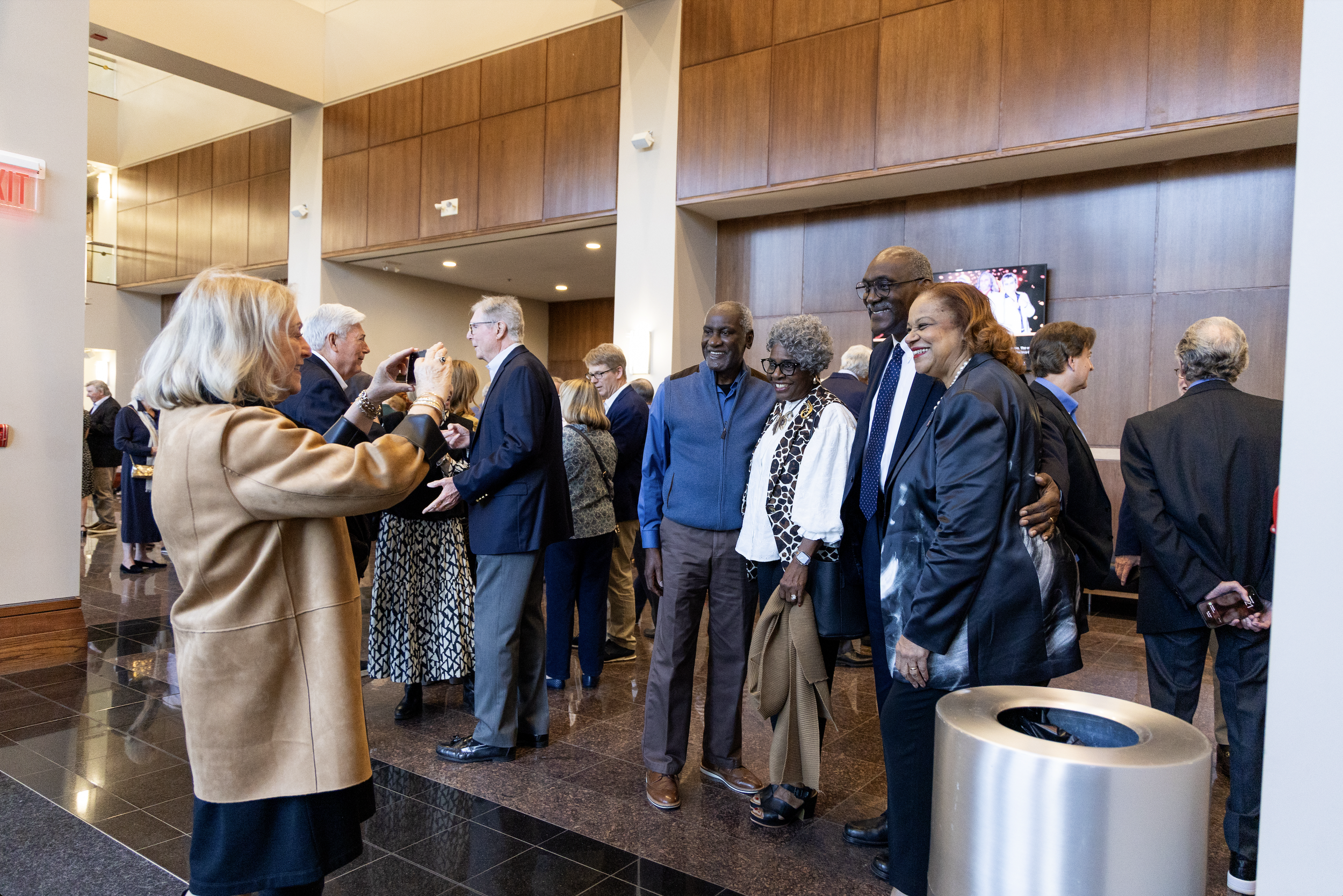
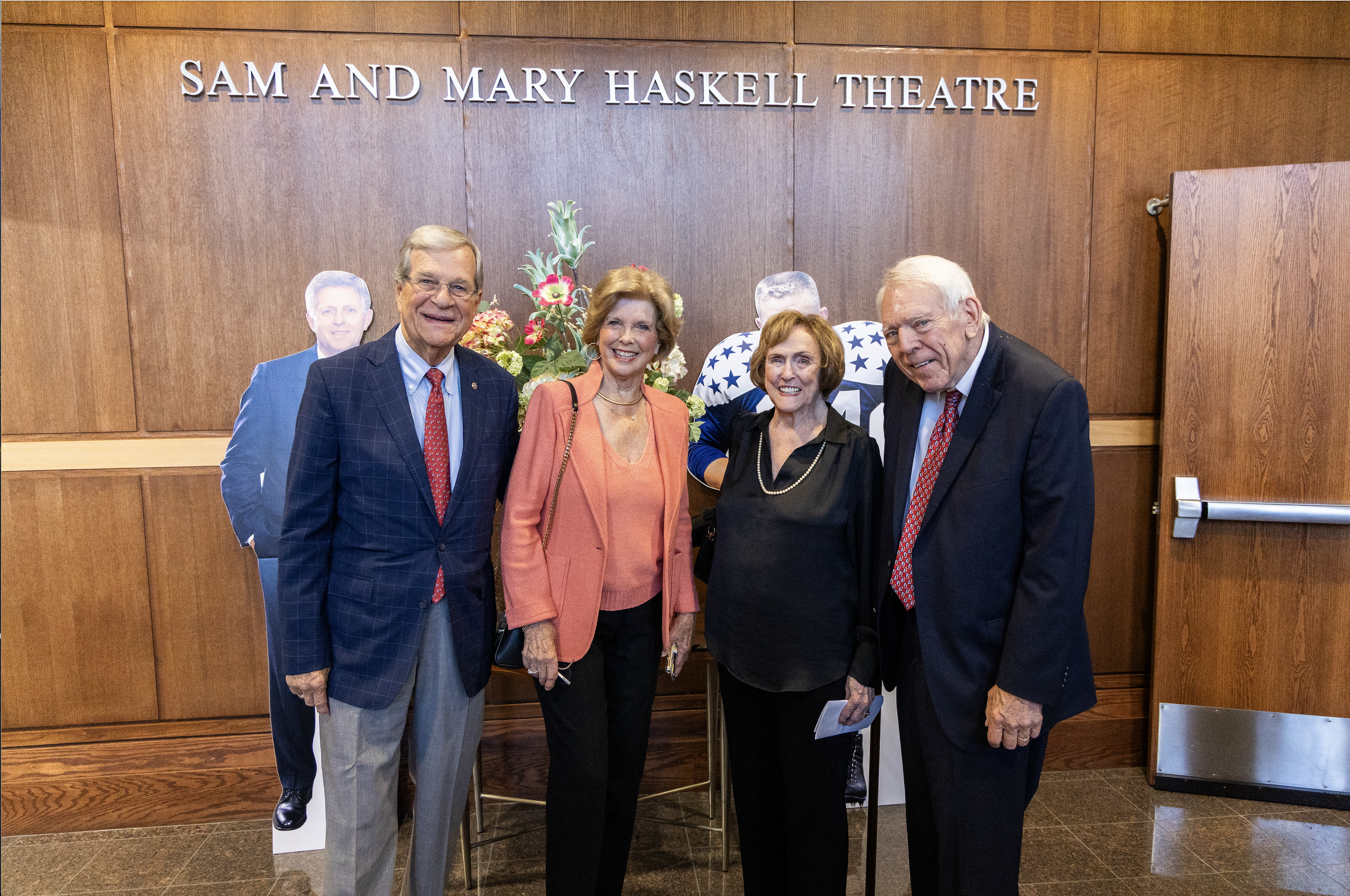
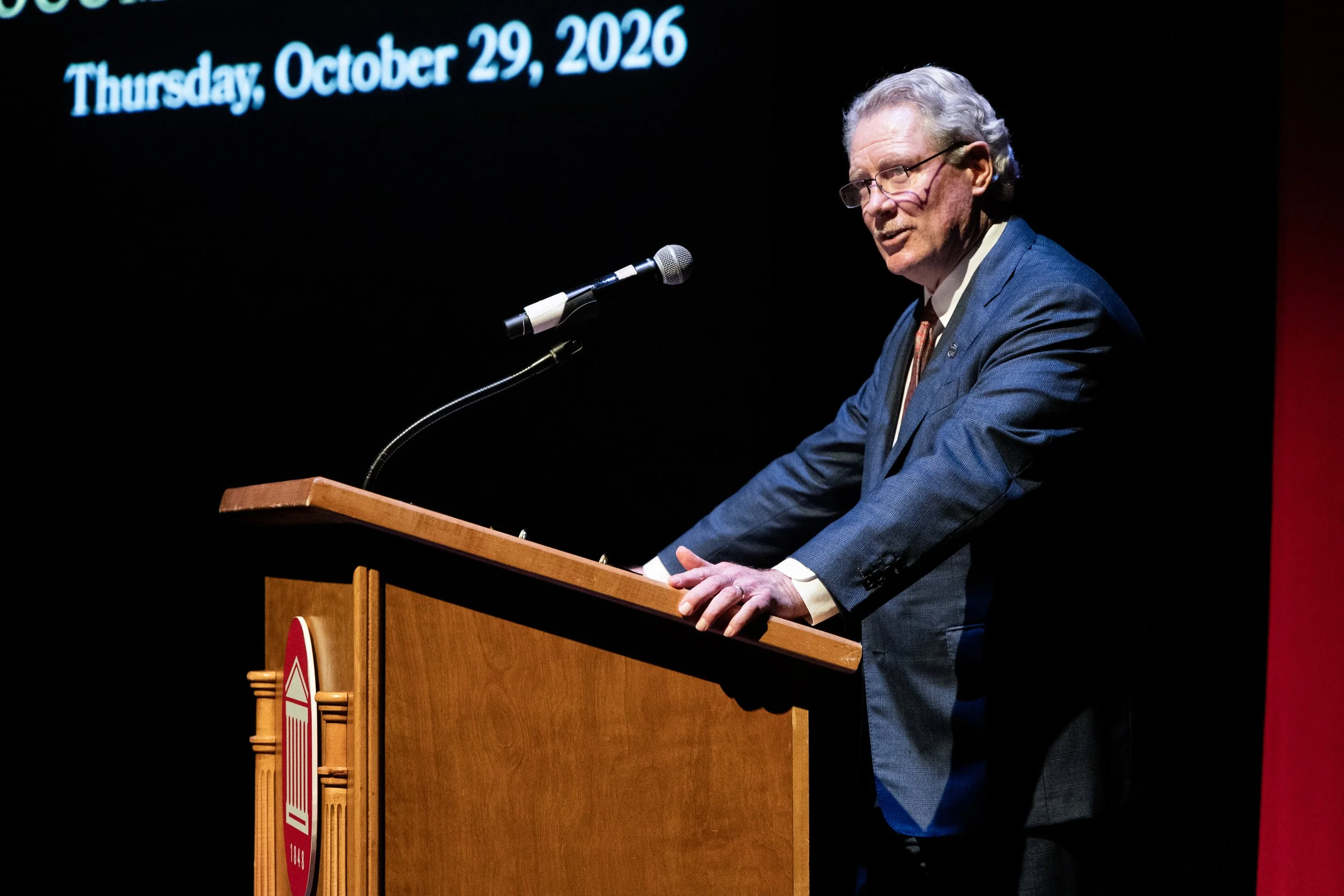
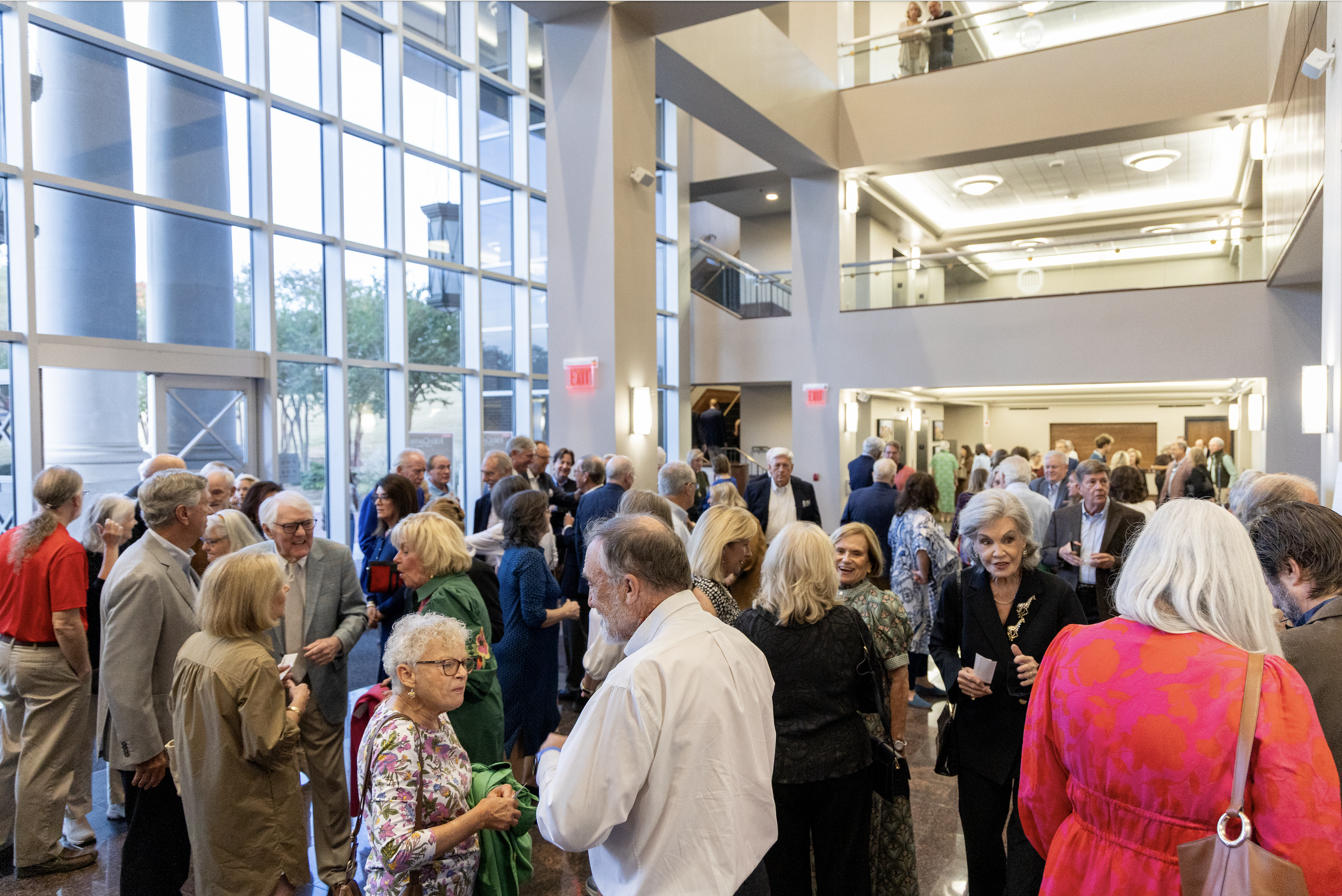
The Overby Center for Southern Journalism and Politics hosted the premiere documentary film screening of “The Chancellor: The Robert Khayat Story,” on Oct. 29 at the Ford Center for the Performing Arts at the University of Mississippi. Overby Center board member David Crews directed and produced the film.
The film is a production of Deep Focus Films. In introducing the film, Crews said he sought to “capture the texture of Robert’s character, his leadership and his accomplishments” in the film.
“I came to Chancellor Khayat three years ago saying, ‘Your life, your career, your accomplishments would be a very compelling film,’” Crews said. “‘I think it would be riveting, there would be drama involved. You’re the only guy to ever come out of the NFL and go on to become President of a major university. That is unprecedented, that is rare.’”
Crews welcomed the audience and introduced the program followed by a special message from Robert Khayat. After the full film was screened, Ole Miss Chancellor Glenn Boyce Jr. introduced musical guest Marty Stuart.
In making the film, Crews interviewed 80 people over the span of the 10 months. Among those interviewed are Charles Overby, Archie Manning, Morgan Freeman, Eli Manning, Campbell McCool and a number of Khayat’s friends and admirers.
In the documentary, those interviewed discussed Khayat’s history playing football and his time at the Ole Miss School of Law and as chancellor.
Khayat was drafted by the NFL Cleveland Browns and played professional football for three seasons with the Washington Redskins after finishing his undergraduate degree. Khayat earned both his undergraduate degree and J.D. from the University of Mississippi. He earned an LL.M. from Yale Law School. He lives in Oxford, Miss.
Ole Miss School of Law dean candidates must meet certain qualifications and be approved by the majority of the faculty to be appointed, according to the ABA. Khayat was professor and assistant dean at the Ole Miss School of Law when he attempted to become the dean of the law school in 1993, but the law school faculty voted 14-7 that he was “not acceptable.” The law school faculty desired an African American dean and instead appointed Louis Westerfield in 1994. In 1995, Khayat became the 15th chancellor of the University of Mississippi.
“It was really the most incredible blessing in disguise that he did not get the law school position,” entrepreneur and real estate developer Campbell McCool said.
Khayat was a mastermind when it came to fundraising. “When Robert asks you to do something, it is almost impossible to turn him down,” business executive J.L. Holloway said.
Khayat secured a $500,000 construction gift from Bill Yates and other private fundraising for the Paris Yates Chapel. The non-denominational chapel program dates back to 1975, but the plans went dormant for 20 years. Henry Paris credits Khayat with the idea of reviving the dormant plans in 1995. The chapel opened in 2001 with the namesake to honor Henry Paris and Bill Yates.
Khayat met with Jim and Sally Barksdale in 1995 to secure a $5.4 million grant for the Sally McDonnell Barksdale Honors College that was established in 1997. This was the largest donation to Ole Miss at the time. In 2001, Khayat officially chartered the Phi Beta Kappa chapter, significantly increasing the university’s national standing.
Those interviewed credited Khayat with the ability to make you “want to be a part of something bigger than yourself.” Former president of the University of Mississippi Foundation Don Frugé said that “being chancellor was a passion for him.” He said Khayat would walk around campus picking up trash and making an effort to connect with students and faculty.
“He’s one of those easy-going people that [is] real easy to get close to,” actor Morgan Freeman said.
“If you’re paying attention to the little things, then you know you are paying attention to the big things,” Eli Manning said.
Ole Miss' national reputation was declining due to the university's association with the Confederate flag. Khayat boldly led the effort to remove Confederate symbols from the university. The university altered the official logo to a solid red M on a blue background and made efforts to change the mascot from Colonel Rebel.
Khayat announced the stick ban to remove flags from the stadium in October 1997. The documentary showed photographs of the threats and condemnations that Khayat received afterward. Despite the negative reactions, he adhered to his decision.
“I don’t know where we are going, but I know where we are not going,” said Ethel Scurlock, the Dean of the Sally McDonnell Barksdale Honors College. “And that’s backwards. We are not going backwards.”
Khayat announced his retirement in 2009 after serving 14 years as chancellor. In 2011, the Robert C. Khayat Law Center was dedicated on the Ole Miss campus as the new home for the School of Law.
The full version of the film runs for 60 minutes. Claire Crews is the director of photography and Matthew Graves is the editor. Wayne Drinkwater, Christopher Powell, and Neil White are the executive producers.
––––––––––––––––––––––––––––––––––––––––––––––––––––––––––––––––––––––––––––––
Akayla Hughes is an undergraduate student pursuing a bachelor’s degree in journalism in the University of Mississippi School of Journalism and New Media. She serves as a student assistant at the Overby Center for Southern Journalism and Politics.