
By R.J. Morgan
Eighty years ago this month, planning was already underway for the first meeting of the Mississippi Press Institute, which would become the Mississippi Scholastic Press Association. The event featured a signature barn dance and was attended by 139 students from 18 high schools and seven colleges. It’s been a staple of the spring calendar for schools in Mississippi ever since, though regrettably we no longer allow them to sway among the hay bales.
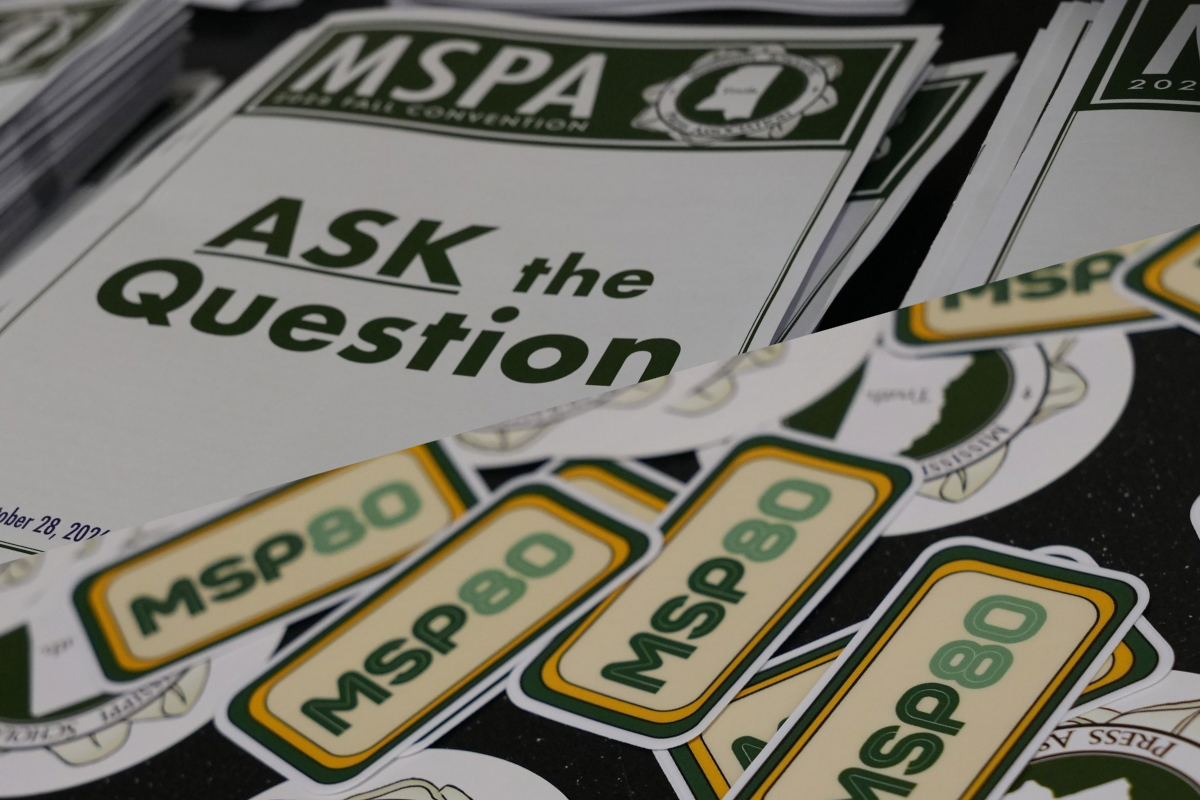
Founded in 1947, MSPA is celebrating its 80th anniversary this school year. (Photo by Tyra Walton)
America looks a lot different today than it did in 1947, and MSPA does too. Ten years ago, we consolidated a longstanding series of fall workshops, held around the state, into a single statewide convention that mirrors our annual spring celebration. Since our homebase at Ole Miss is in North Mississippi, we partnered with the University of Southern Mississippi and anchored our new fall event on their campus. It has been a resounding success, but never more so than this year’s edition, where we registered 550 high school journalism students from more than 35 schools. Wow! It was the largest event MSPA has held in the post-pandemic era, and the largest one ever at USM.
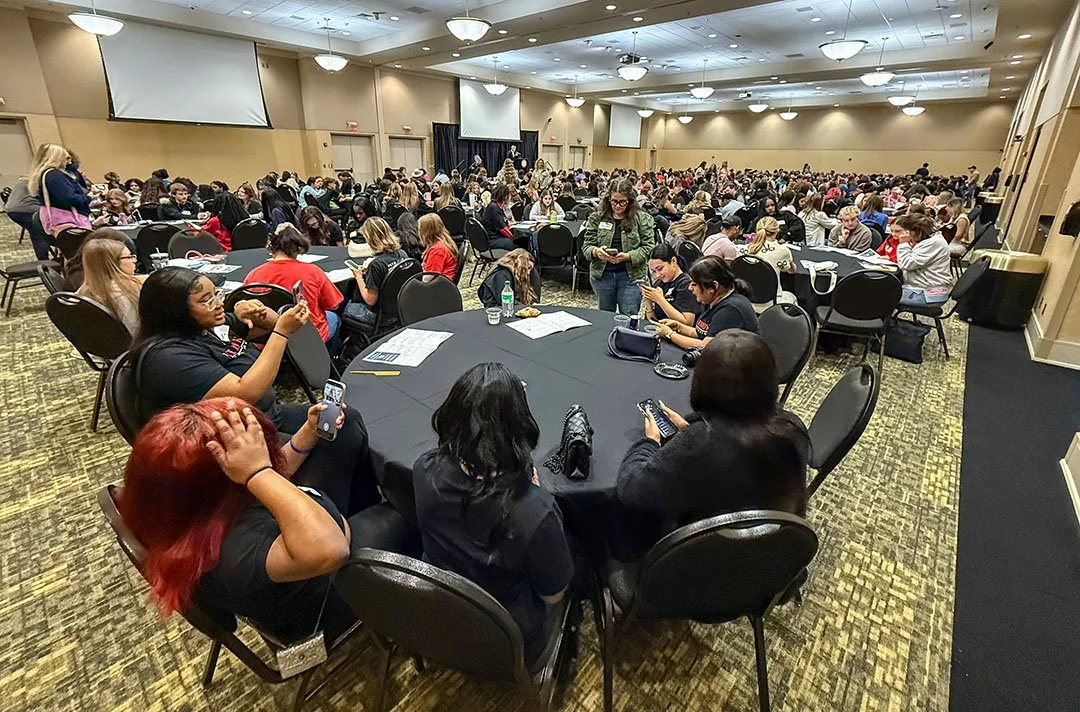
The 2026 fall convention at the University of Southern Mississippi was the largest event MSPA has hosted since 2019, thanks in part to a development grant by Press Forward Mississippi. (Photo by Stephen Coleman)
At least part of that growth can be attributed to our partnership with Press Forward Mississippi. Through a $50,000 development grant managed through The Bell, the philanthropic organization has helped fund a cohort of 18 new journalism programs at public high schools around the state. The group met for the first time this summer at the MSPA Overby Adviser Institute in Oxford, and their meetings have continued on Zoom. The grant also covers membership in MSPA and the national Journalism Education Association, organizations that provide teachers with a professional learning community and much-needed curricular support.
Event planning is never easy, and larger crowd sizes almost always equal more problems, but logistical issues are a small price to pay for a chance at changing a child’s life. I spent most of the day smiling, telling people in various settings, “This is what success looks like. This is what we’ve been working towards.”
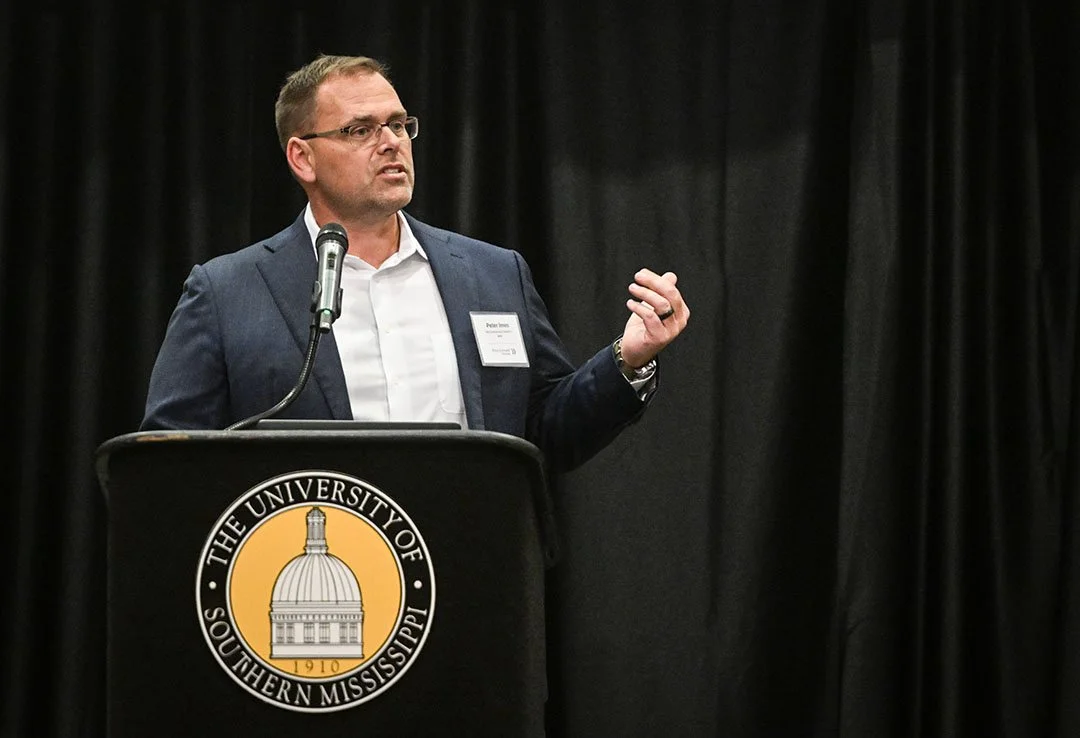
Mississippi Press Association President Peter Imes delivered this fall’s Hamilton Keynote address in Hattiesburg, part of Press Forward Mississippi’s Community Journalism Workshop. (Photo by Stephen Coleman)
One of the most heartening moments of the whole convention was an afternoon keynote address by Peter Imes, the fourth-generation publisher of the Commercial Dispatch in Columbus, Miss. Imes is currently serving as president of the Mississippi Press Association. His family has owned the paper since 1922, and his ancestors’ editorial stances have not always been progressive. Previous members of the Imes family had used the newspaper’s platform to condone lynchings, oppose integration and even praise the domestic terrorism of the Ku Klux Klan.
In his speech to the students, Peter shared some of that painful family history, with visuals, and then he told them that his grandfathers… were wrong. He didn’t sugarcoat it. He said those positions were wrong then, wrong now, and that he and his staff were committed to telling the stories of all of Columbus’ citizens with dignity and respect. He challenged the students to do the same in their own communities. It was a powerful message, and for a few moments, when he stopped to take questions, no one really moved. Then an amazing thing happened. The questions started and they never stopped.
Do you ever worry about getting in trouble?
Are there job opportunities in journalism?
When did you know you wanted to be a journalist?
What can I do in my town?
Who do you think will win the U.S. Senate race?
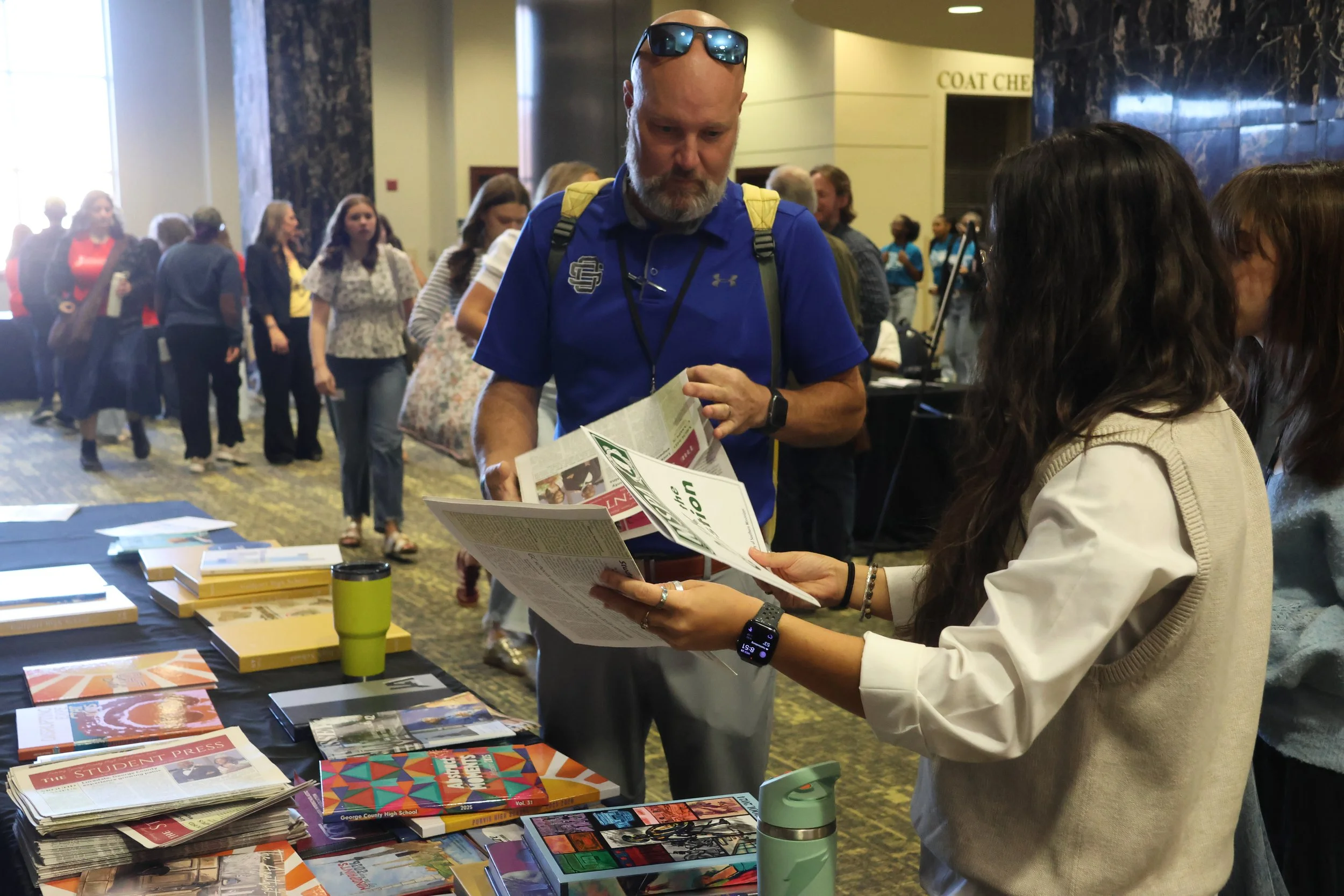
Attending schools are able to share copies of their work with other schools via the Pub Swap table. (Photo by Veronica Flores)
We eventually had to move on with the program, but I think they would’ve asked him questions all afternoon if time had allowed. Our theme for the event was “ASK the Question,” and the kids seemed to understand the assignment.
There is tremendous power in simply asking questions. Earlier in the day, Mississippi Today reporter Taylor Vance coordinated a breakout press conference session where students were able to ask questions directly to a member of the Mississippi Legislature, yielding quotes and footage they can use to bolster their coverage of topical issues back home. It was well attended, and the questions were pointed but well received. A separate session, running concurrently, asked students to sketch out some of Mississippi’s most systemic problems and brainstorm potential sources of solutions.
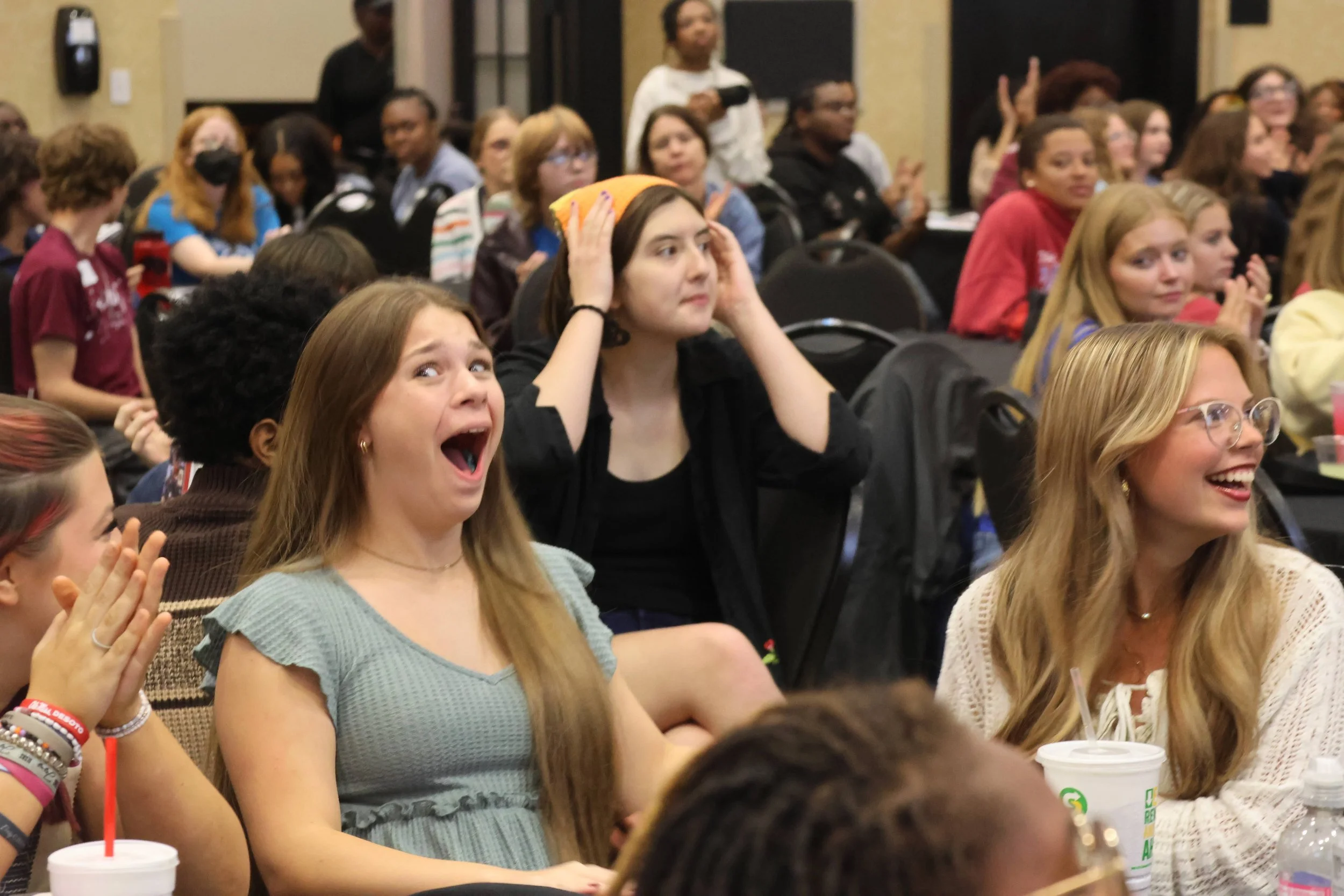
In MSPA's Best of MS contests, students compete for awards in more than 30 individual contests each semester. (Photo by Veronica Flores)
This is what journalism looks like in 2026. We want students to feel empowered to ask hard questions of their leaders, and we want those leaders to engage directly with civic-minded members of their communities. We want students to feel like they have a voice, and a stake, in the state’s future. Because they do, and they always have.
Something worth dancing about.
––––––––––––––––––––––––––––––––––––––––––––––––––––––––––––––––––––––––––
R.J. Morgan is instructional professor in the School of Journalism and New Media at the University of Mississippi, director of the Mississippi Scholastic Press Association and a member of the Overby Center panel of experts.
