
By Charles Mitchell
Iran war?
Gas and food prices?
What triggered Mississippians to plummet from a 61% vote for Donald Trump two years ago to a 49% vote for his minion Sen. Cindy Hyde-Smith on Nov. 3?
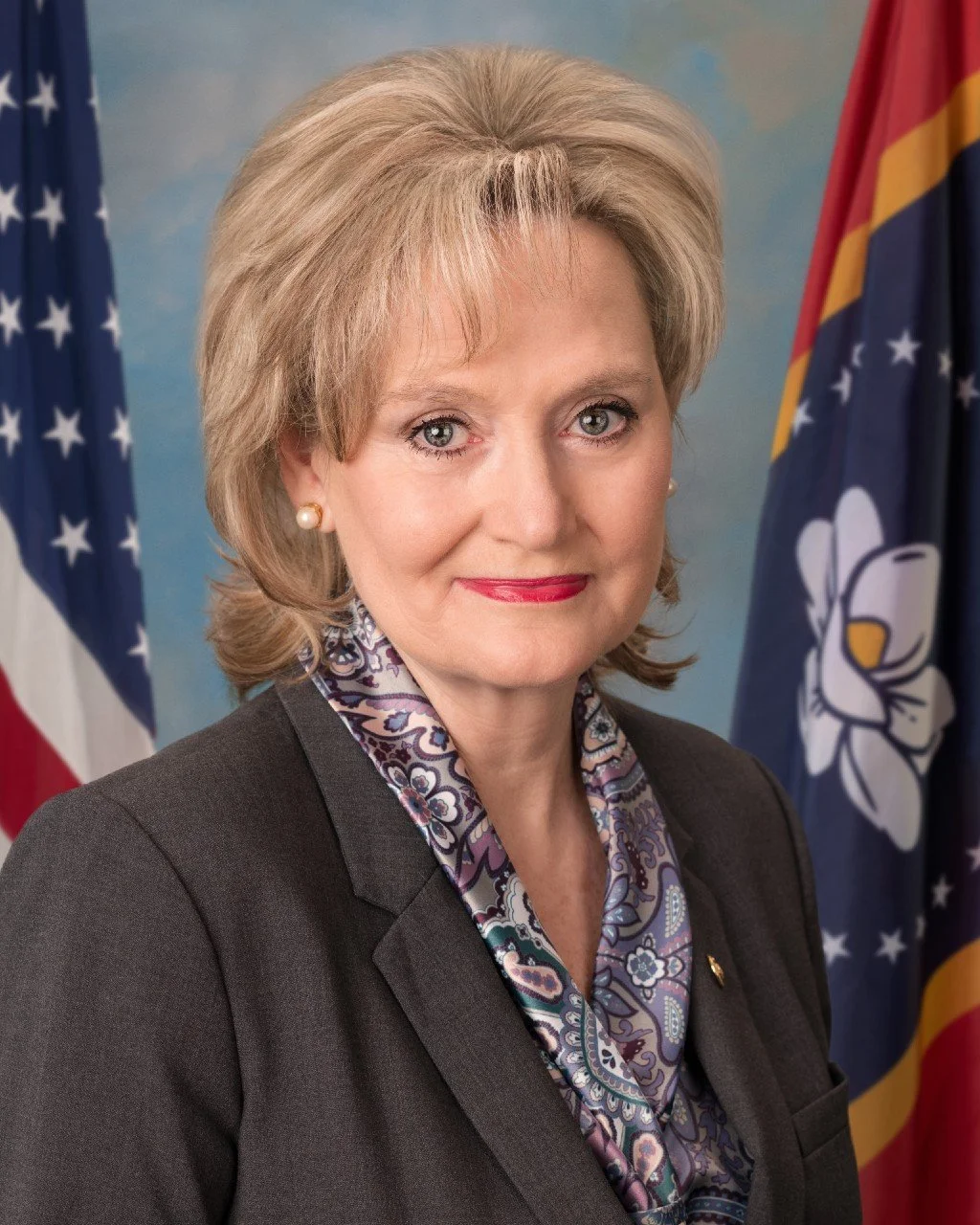
Sen. Cindy Hyde-Smith is the incumbent and seeking re-election.
Every postmortem commentary following the coast-to-coast sweep by Democrats will contain some truth. A perfect storm never has one cause.
This shift is not the largest ever. Today’s Republican majorities in the U.S. House and Senate were won in the midterm after former Democratic President Joe Biden took office. By virtue of the Contract with America in 1994, former President Bill Clinton lost nine Senate and 54 House seats to Republicans.
That’s roughly the same as the numbers that Democrats just “flipped.”
If not the largest, it’s certainly notable. The last two Democrats voters in Mississippi sent to the U.S. Senate were avid segregationists John Stennis and James O. Eastland who took office in 1947 and 1957. Mississippi waits for up to 10 days to certify election results, but Scott Colom, the Democrat poised to win or finish a super-close second place, is Black, meaning he would have been unable or strongly discouraged from even voting when Stennis and Eastland were on the ballot.
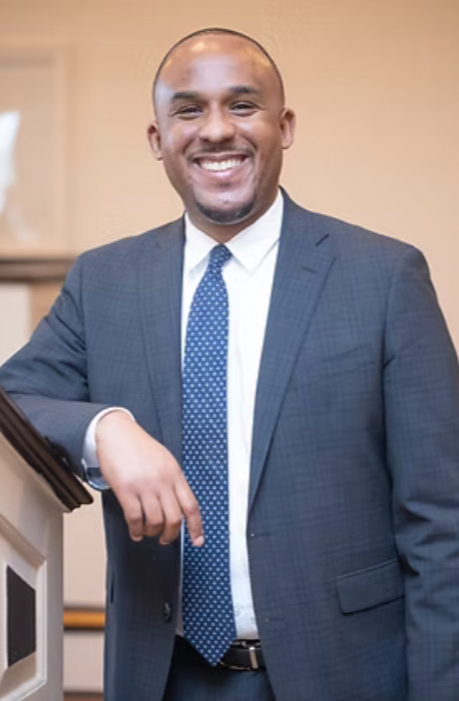
Scott Colom is a district attorney and the Democratic nominee for the U.S. Senate.
It’s wistful, but wouldn’t it be great if voters cast their ballots to: (1) reject crassness, and (2) assert they are not as stupid as campaign ad-makers clearly believe.
As to the first point, Trump’s return to office two years ago has been dominated by personal vindictiveness – devoting time and political capital to go after those in government he believes, correctly or in his imagination, were dead-set on ruining him. That agenda might drive a Shakespearean tragedy, but in government it’s what tin-pot dictators do. Even after the overwhelming rejection of his party and administration in the midterms, Trump continued to insist he was beloved by the people. Perhaps - just perhaps – people have stopped buying into his self-aggrandizing delusion.
When he wasn’t praising himself during the past 24 months, Trump was unleashing excessive violence by immigration police, even praising it. Most Americans believe in secure borders but were repelled by ICE storm troopers. The list goes on and on, but Trump’s profane and venal behavior is at odds with the American social ethic. People believe in law and order and expect government to provide it without all the self-glorification. Lots of leaders – liberal or conservative - have gotten lots of good things done without being schmucks.
As to No. 2, campaign spending, nationally and in Mississippi, was more obscene than ever. It is, well, insulting to voters. Political unknown Kirk Fordice was elected governor in 1991 after spending $900,000. Together, indications are Colom and Hyde-Smith raised $9 million. Every advertising medium was used by Hyde-Smith to depict Colom as awakening every morning to try to figure out how to get more boys into girls’ restrooms. Countering, Colom made hay with Hyde-Smith’s haughty beef prices comment suggesting people choose another protein.
Candidates have consistently trumpeted the weak spots of their opponents, but they’ve usually talked at least a little about their own agenda. That was sorely missing in the Mississippi Senate race. When political winds shift, it’s usually helpful to consider what has changed. What’s different? Often, it’s an issue, but this time it’s possible what people want is better behavior – even civility – in the Capitol. In The New York Times, columnist David French wrote, “For now, we can sum up everything that happened in the midterms in three words, words that the MAGA movement has scorned for 10 years: Character is destiny.”
Democrats would be wise to govern with dignity. It should be pretty clear by now that when people are stressed and angry, they elect to make the powers that be the powers that were.
———————————————————-
Charles Mitchell is an associate professor in the School of Journalism and New Media at the University of Mississippi and a member of the Overby Center panel of experts.