
Overby Center program explores history of Black gospel music with live performance
By Clare Antrainer
The Overby Center for Southern Journalism and Politics hosted “Free Speech, Freedom Songs, and the Music of Liberation” on February 25 in the Overby auditorium as part of Black History Month.
The event was moderated by Robert Darden, a member of the Overby Center panel of experts and a scholar of Black gospel music. Darden is emeritus professor in Journalism, Public Relations & New Media at Baylor University. He is a nationally recognized scholar on Black gospel music and founder of the Black Gospel Music Preservation Program at Baylor, the world’s largest initiative to acquire, preserve and make accessible music on vinyl from the golden age of Black gospel music.
Darden emphasized that “spirituals are the root to all of this” as he discussed the foundations of freedom songs that were sung by enslaved African Americans in the South.
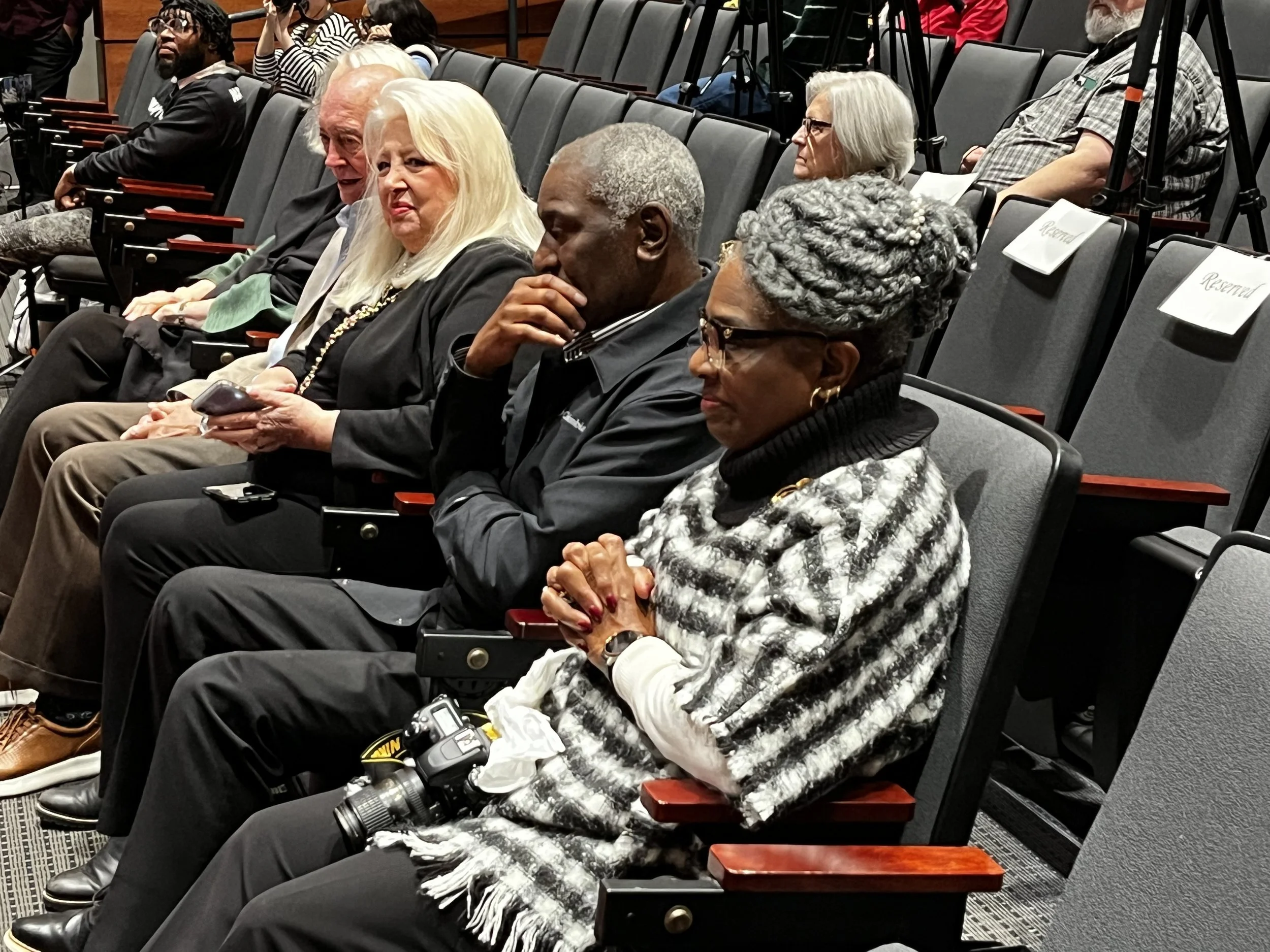
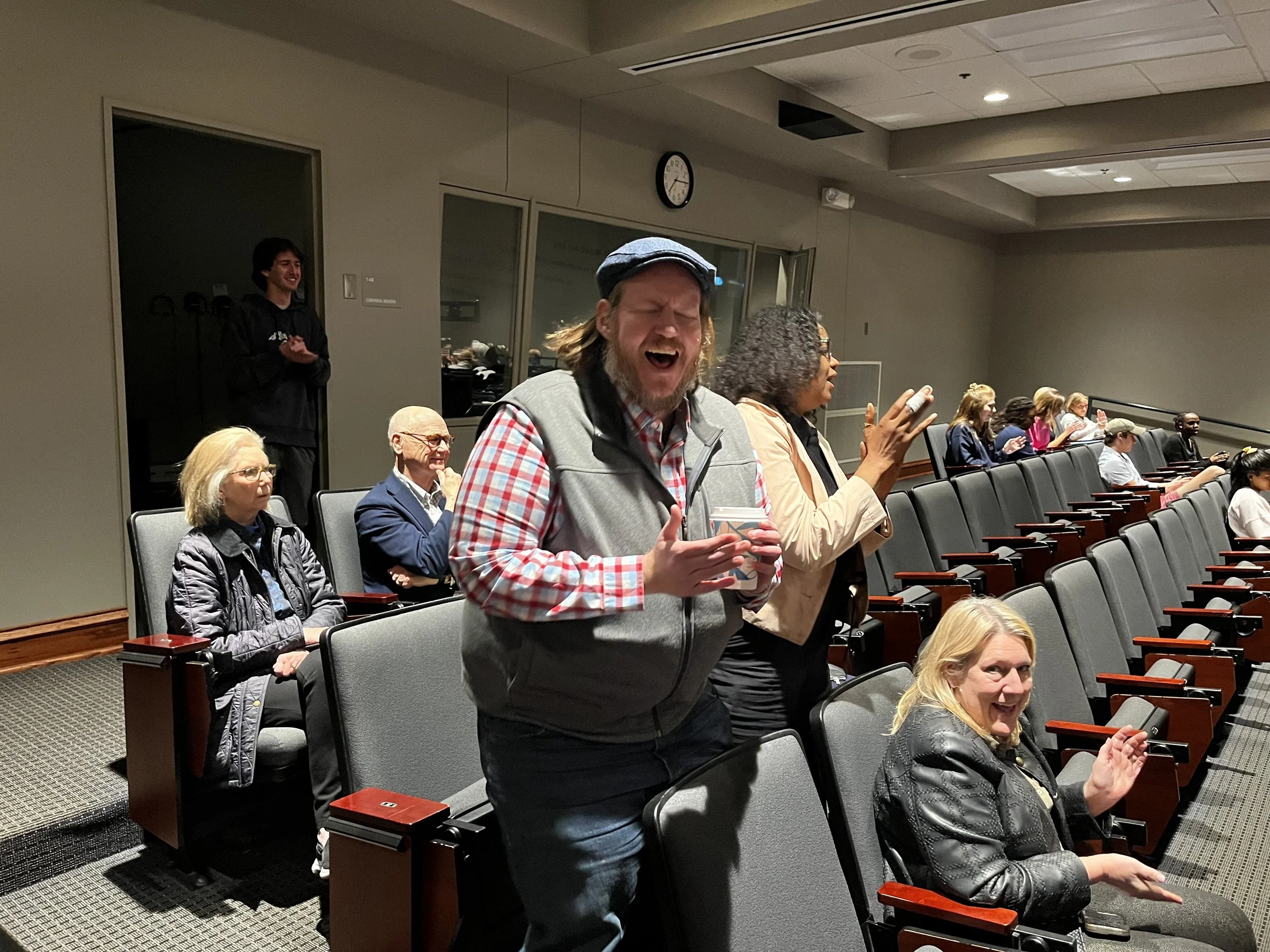
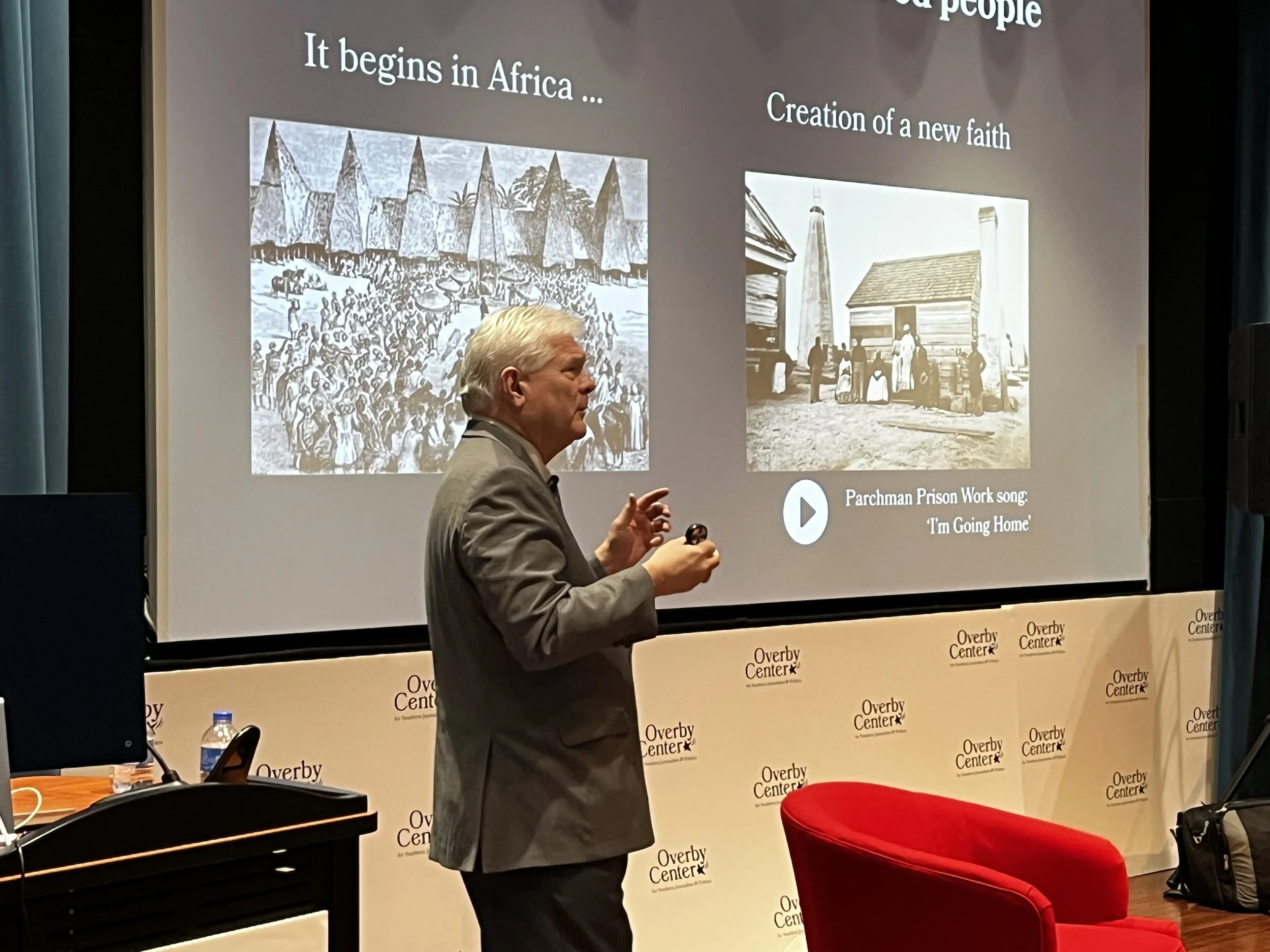

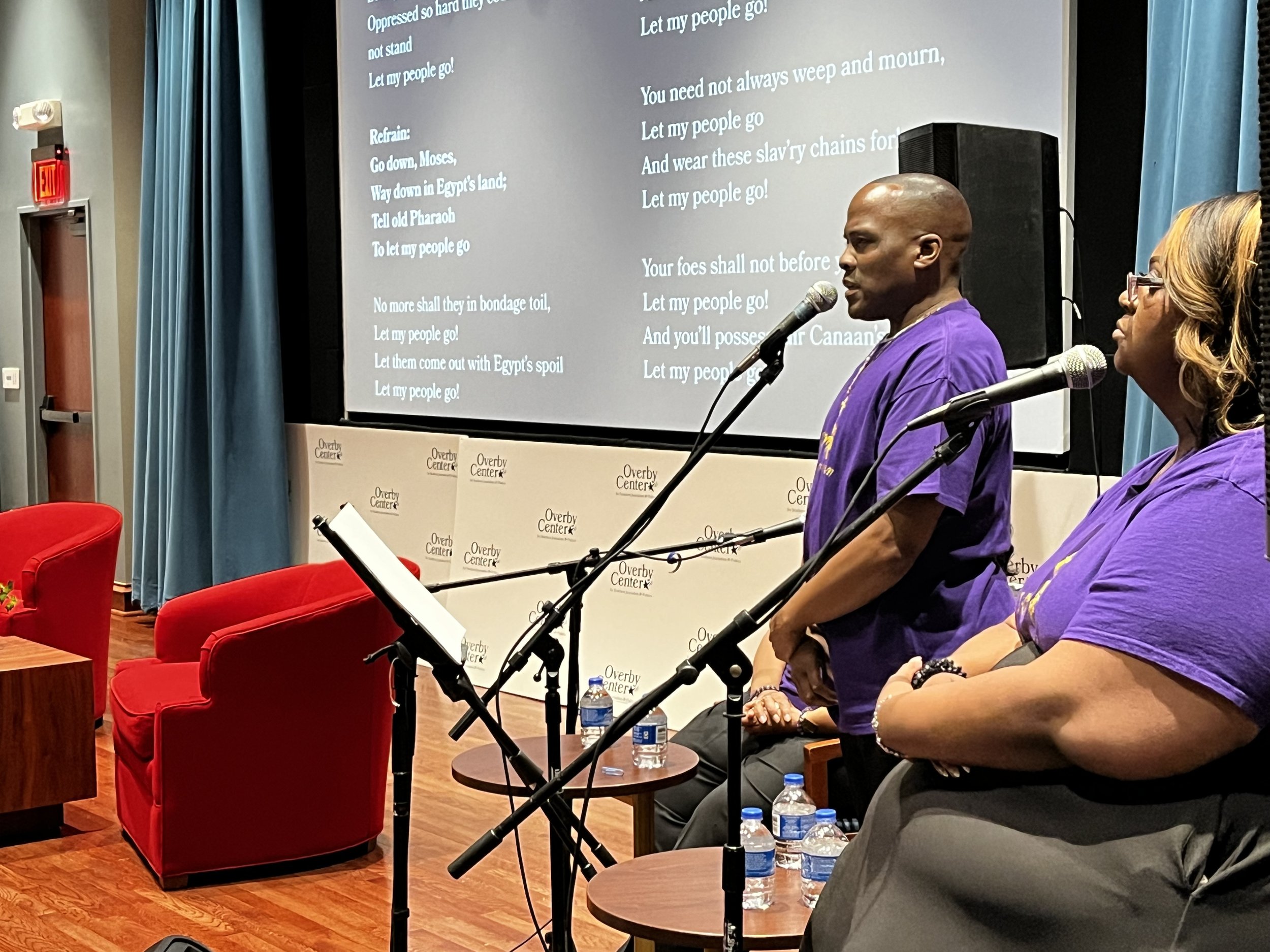
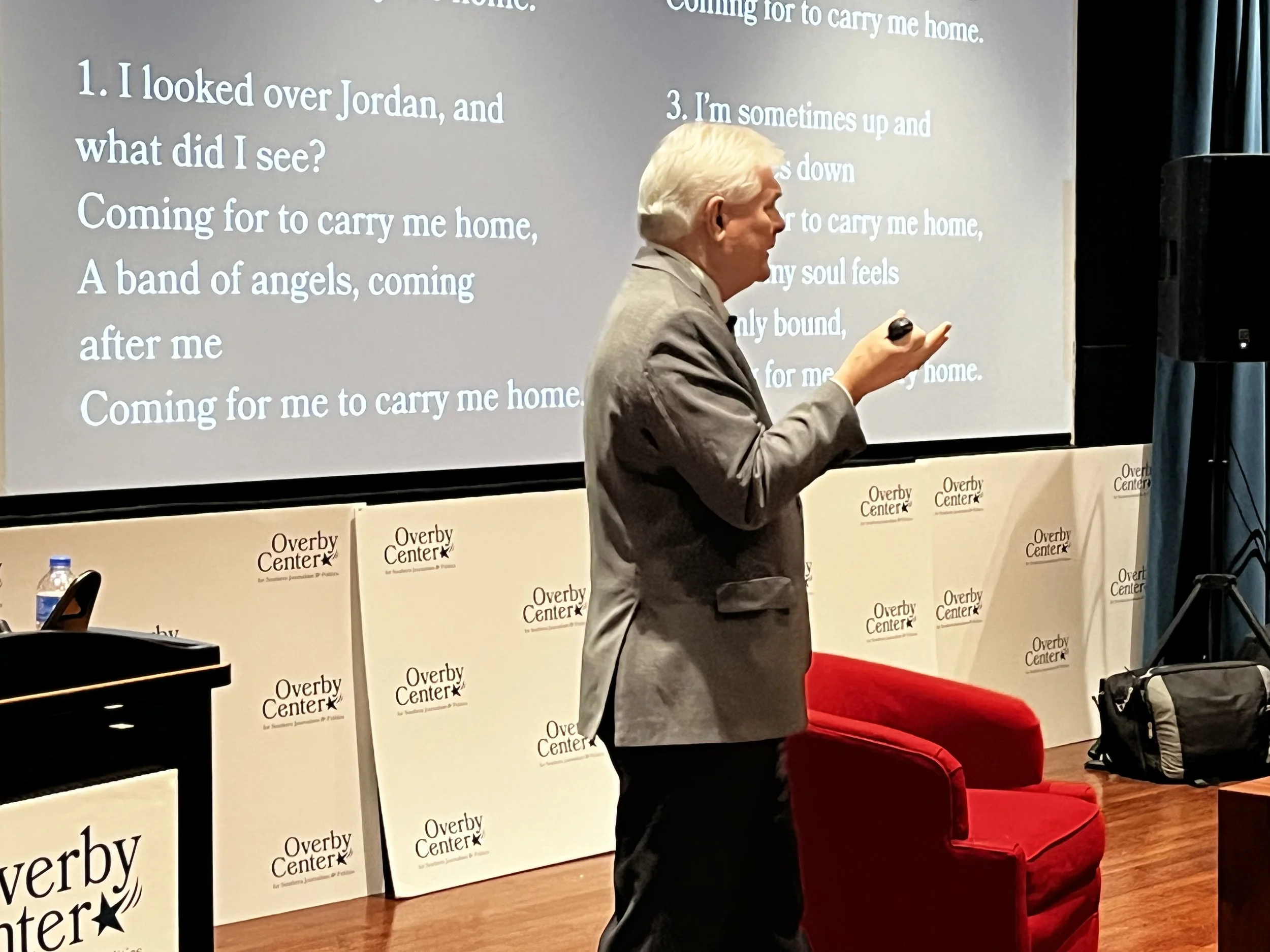
Darden explained that spirituals were more than just songs; they were coded messages, survival tools, and acts of resistance. “Spirituals were like newspapers,” he said, explaining that these songs were being sung in present tense for those singing them. Songs like “Go Down, Moses” and “Swing Low, Sweet Chariot” had layered meanings that gave slaves hope and direction. These songs had more depth than just stories about freedom; they also carried hidden messages about escape and resistance. The classic “Swing Low, Sweet Chariot” was a direct reference to the Underground Railboard that freed significant numbers of enslaved Blacks.
Darden also connected the early spirituals to the freedom songs that were frequently used during the Civil Rights Movement. Some of these songs included “Oh Freedom,” “This Little Light of Mine,” and “We Shall Overcome.”
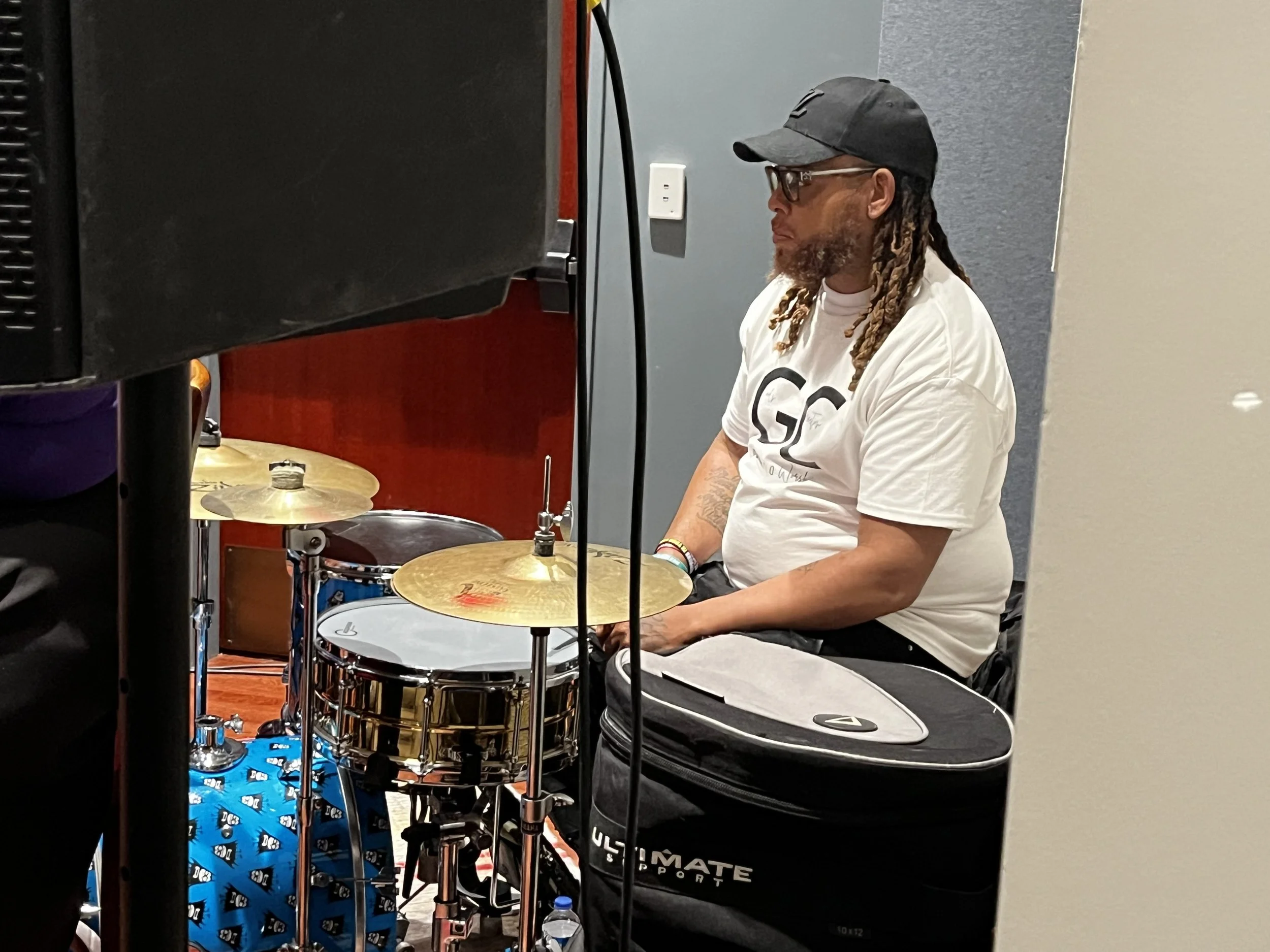
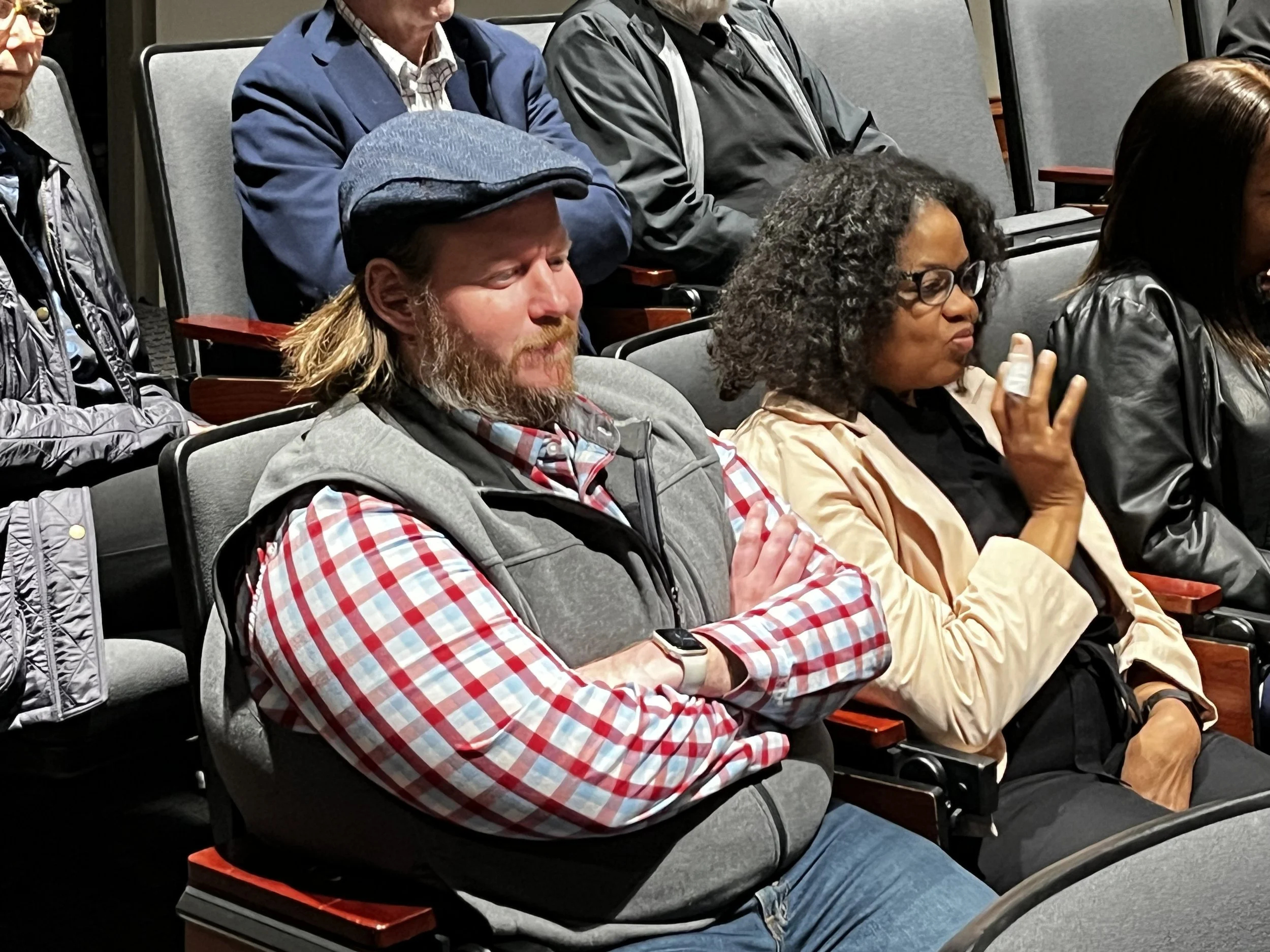
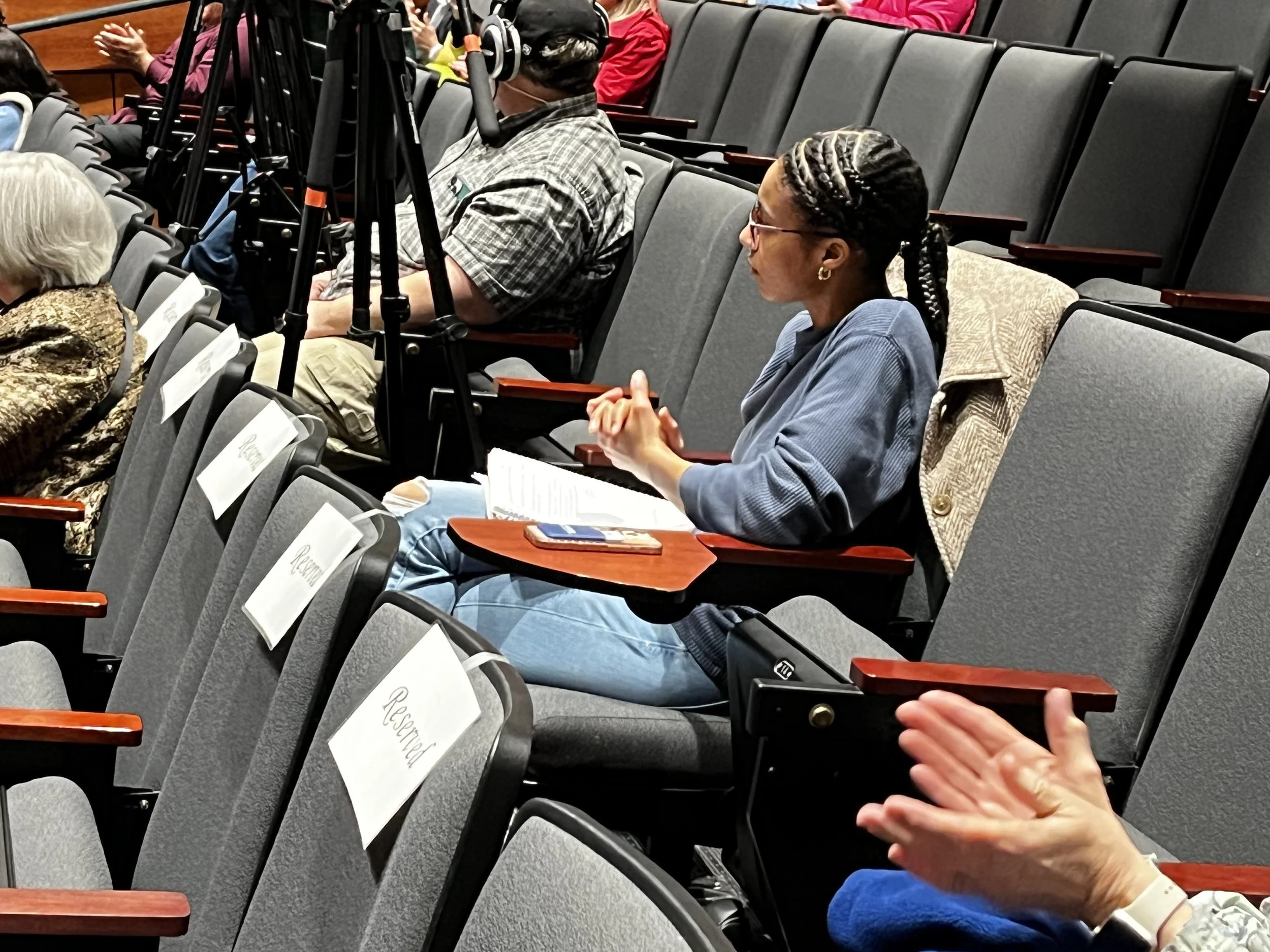
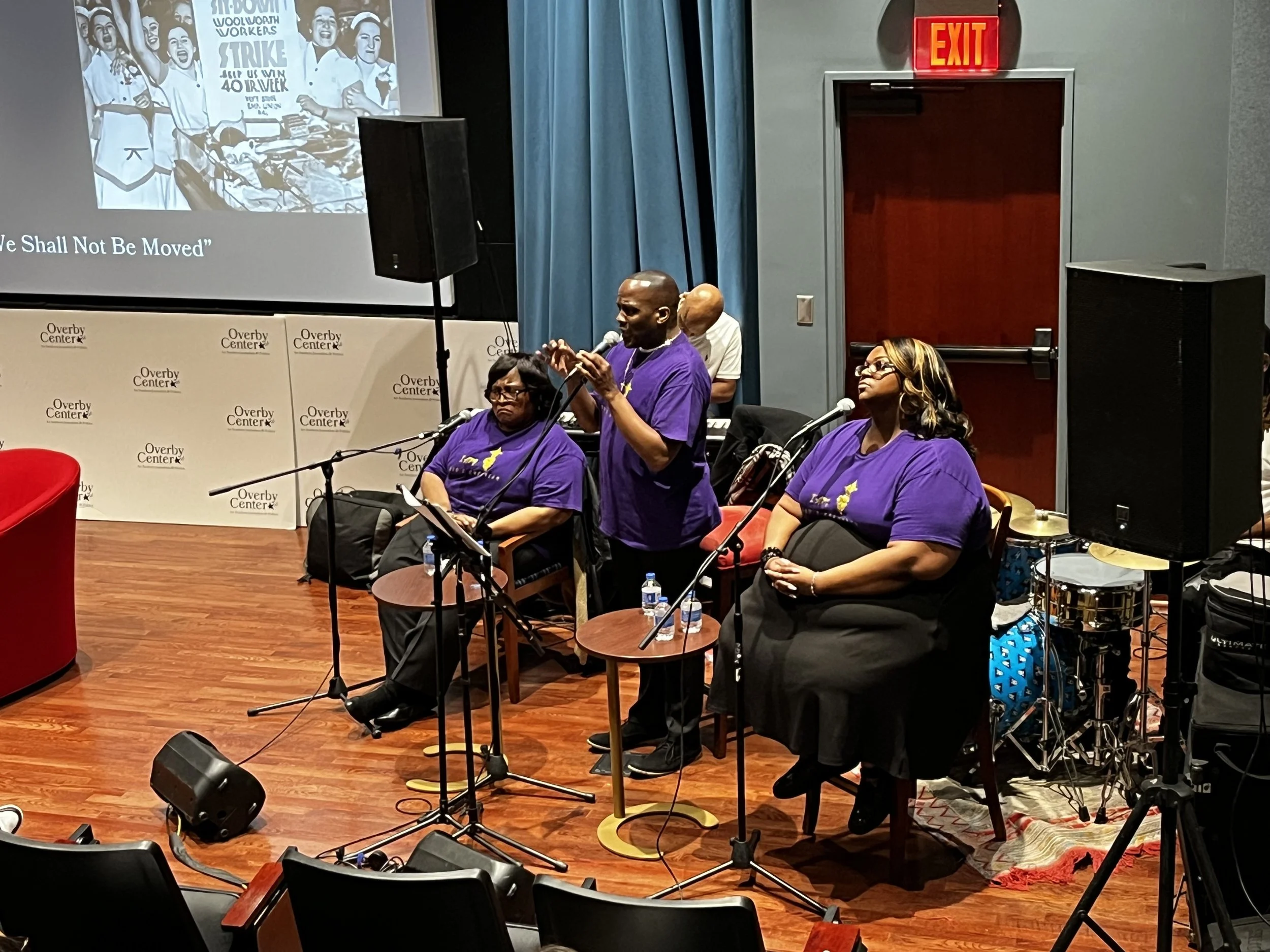
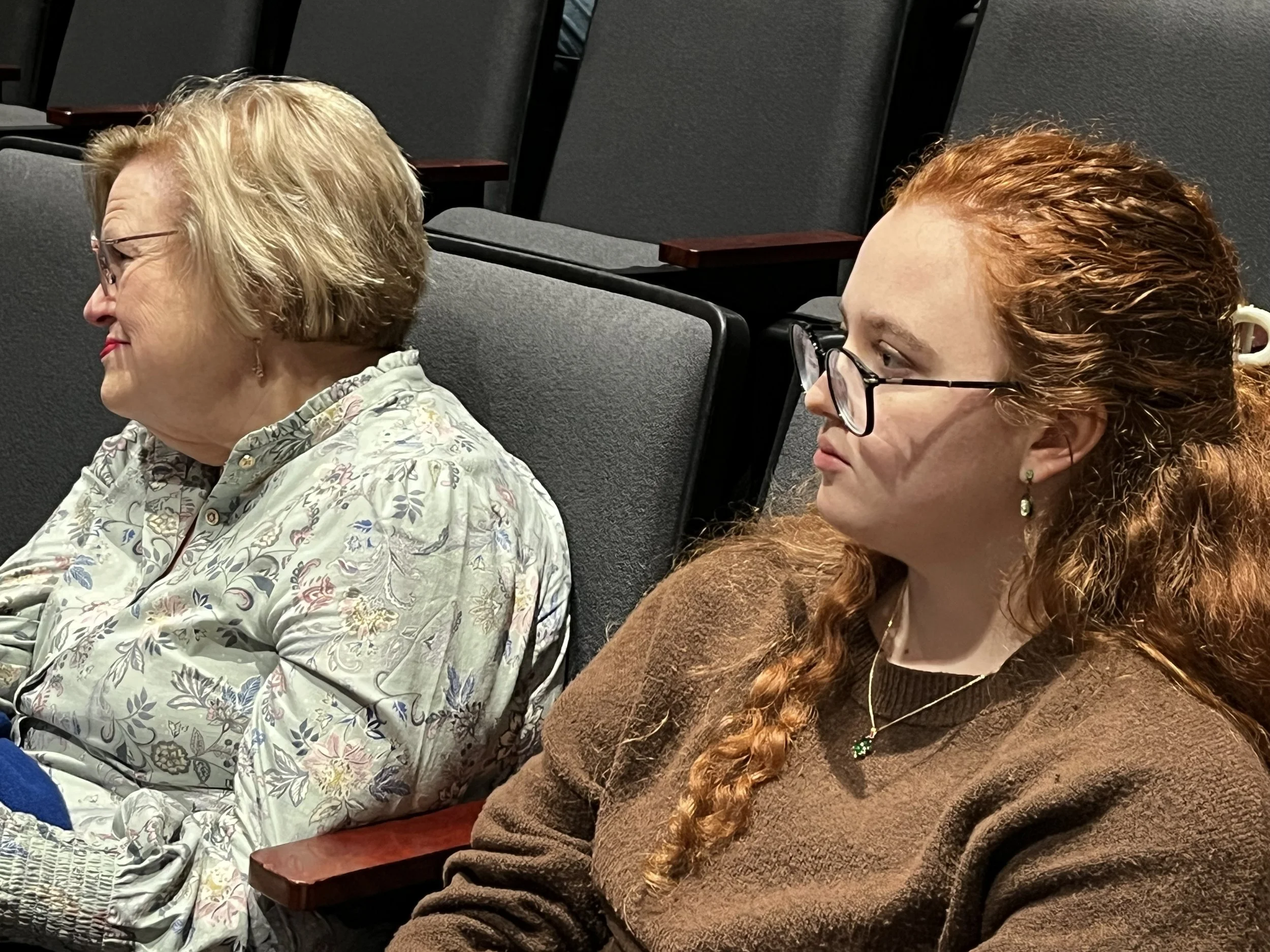
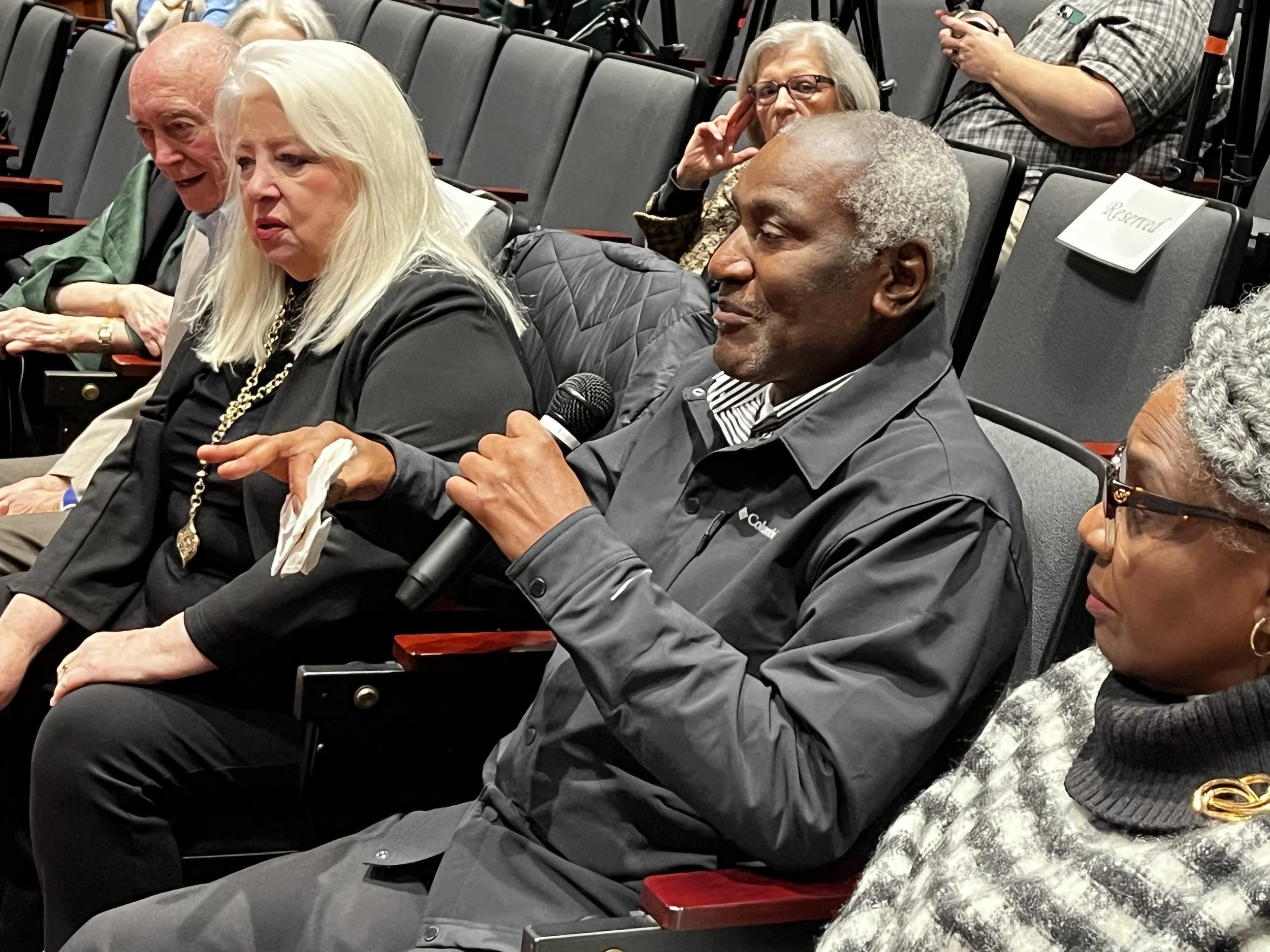
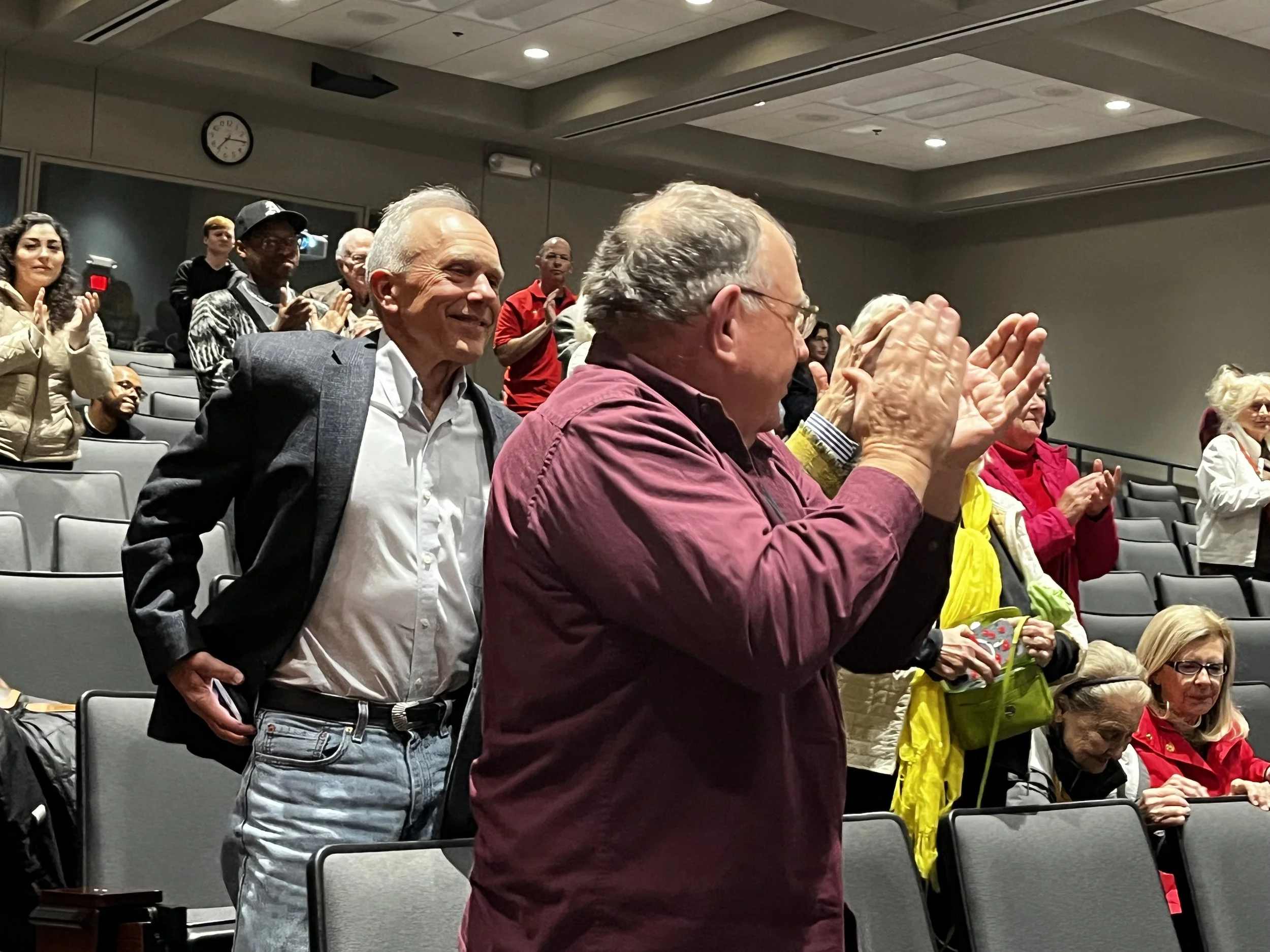
History and the music came to life through a performance by Billy Johnson and God’s Creation, a gospel group based in Newton, Miss. Members of the group include Johnson’s mother, Joyce Kelley, Pamela Harris, T’Rone McDonald, and Roderick Fox. Their performance encouraged the audience to participate in singing and clapping along with the group, turning the lecture into a shared experience rather than a typical presentation.
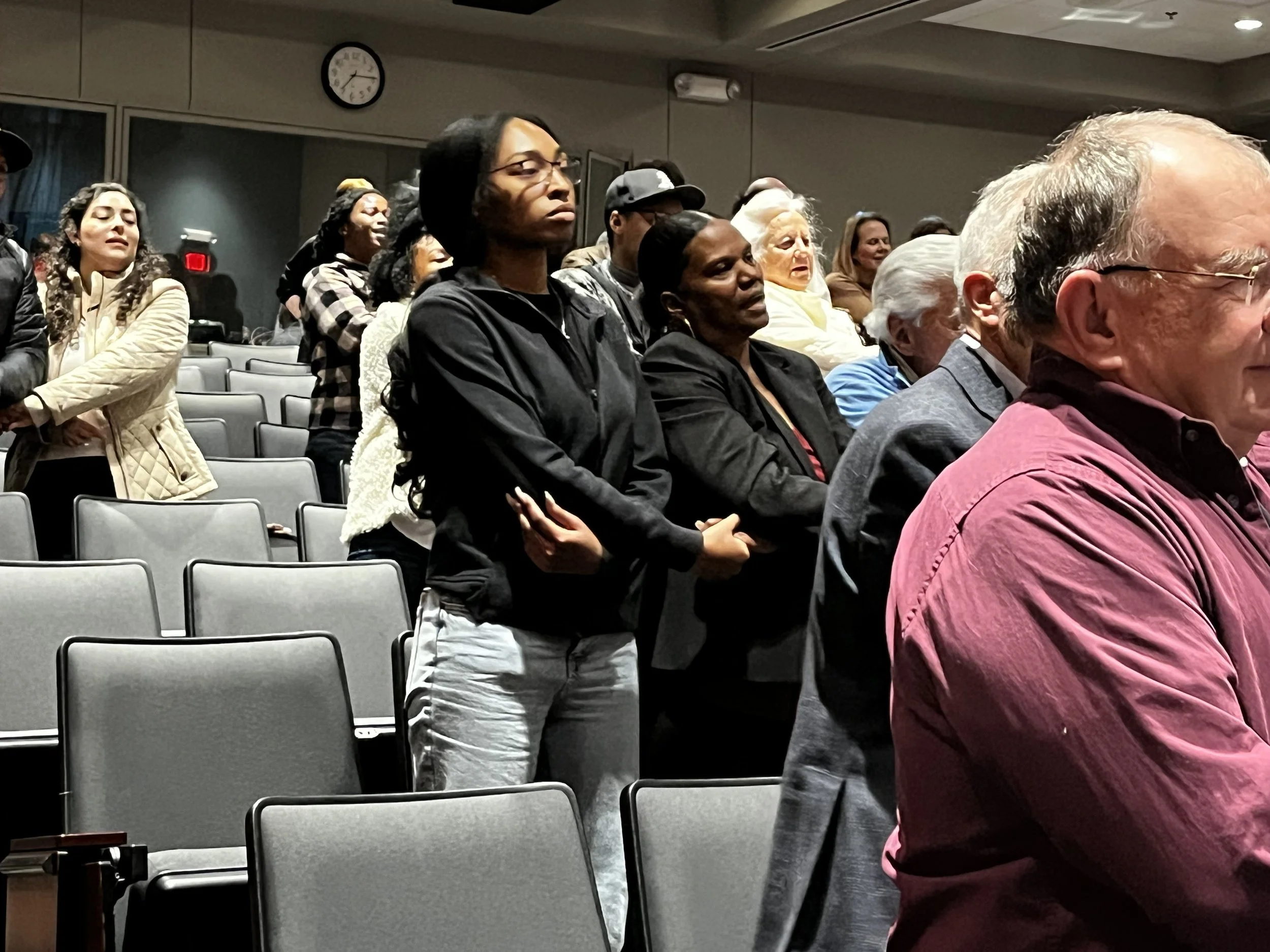
The evening concluded with attendees standing together and crossing arms to sing “We Shall Overcome” to emphasize that freedom songs aren’t just part of history, but expressions of hope and unity.
-––––––––––––––––––––––––––––––––––––––––––
Clare Antrainer is a junior from St. Louis studying Integrated Marketing Communications at Ole Miss and a student assistant in the Overby Center for Southern Journalism and Politics.
