
Dolly Parton was a feminist before feminism was cool
By Charles Mitchell
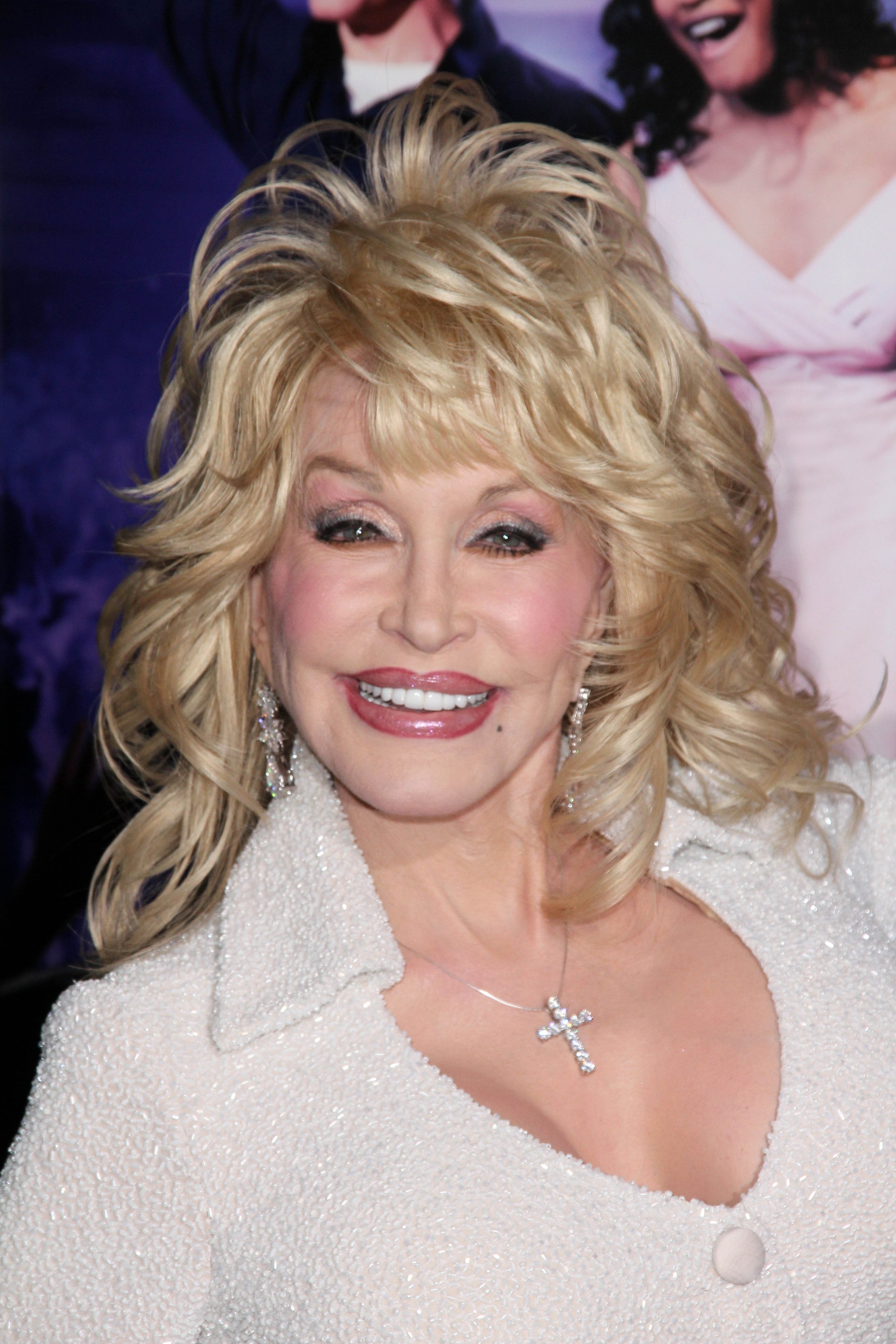
Dolly Parton, who died of cancer at the age of 80, had a sharp sense of business that matched her extraordinary music talent. Photo from Shutterstock.
In all the tributes to the late Dolly Parton, one word hasn’t been used that should have been: Feminist.
As a girl-child who left her Tennessee mountain home for the bright lights and music industry predators of Nashville, she held her own. Instead of selling her soul – and the rights to her songs – she kept them. She presented herself to the world as a buxom, wig-wearing blonde who giggled in rhinestone dresses, but she was aware of her talents and was as savvy in the business world as anyone with a Harvard MBA.
No doubt there was temptation. Her career didn’t take off. There are stories of Dolly and her spouse, Carl Dean, sleeping in their car because they didn’t have the money for even the cheapest of hotels. When she died Tuesday of cancer at the age of 80, her wealth was estimated by Forbes at between $450 million and $650 million despite the fact she gave away millions and millions, notably by mailing books to children so they could achieve something her father never did – the ability to read.
Writing for Pacific University Magazine in 2008, Professor Martha Rampton charted phases of feminism in America. The spark was way back in 1848 at the Seneca Falls Convention in New York when the “cult of domesticity” was challenged. The idea that women had talents and utility beyond cooking and raising children rippled across the nation. Remember, this was an era when women authors would often use male pen names in order to have their work taken seriously.
The first phase culminated, more or less, with “suffrage” coming in 1920 – 72 years after Seneca Falls. Male former slaves had been eligible to vote in the United States for 55 years before women were allowed to register and cast ballots.
Rampton described the second phase, between the 1960s and 1990s, as arising amid other movements for social change – recognition of Native Americans, an end to racial segregation, and the war in Vietnam. A formative event occurred at the 1968 Miss America Pageant where protesters called the event a “cattle parade.” Rampton wrote about the pushback against events and practices that “reduced women to objects of beauty dominated by a patriarchy that sought to keep them in the home or in dull, low-paying jobs. The radical New York group called the Redstockings staged a counter pageant in which they crowned a sheep as Miss America and threw ‘oppressive’ feminine artifacts such as bras, girdles, high-heels, makeup and false eyelashes into the trashcan.”
There have been subsequent phases, Rampton wrote, but what’s relevant is that Parton’s rise to becoming a respected household name started in that second phase – when being pretty and gilded equated to having the fortitude of a dishrag.
Parton certainly presented herself as something our grandparents would call a floozy, but she was steadfast against the grinding forces of the entertainment industry. She was always smiling, but she never underestimated her own worth.
One story among hundreds is that Elvis Presley wanted to record a cover of one of her more famous songs, “I Will Always Love You.” For people unfamiliar with the nuances of intellectual property, songs and books are just like cars and houses. Owners have pretty much the same rights. Dolly had written the song in 1973 as a tribute to Porter Waggoner when she quit his TV show because he had really boosted her career. She recorded it, and it did okay in the country music world. Later, when Elvis, near the peak of his fame, asked for Dolly’s permission to record her song, she refused. The notorious Col. Tom Parker, Elvis’ manager, demanded 50% ownership if Elvis recorded it. Her refusal to sell was not a bad decision as it turned out. Estimates are that Parton has earned $10 million from the version recorded by Whitney Houston in 1992.
Who says, “No thanks” to Elvis Presley? Dolly did.
Totaled, Dolly Parton’s incorporated self lives on and has the rights to about 3,000 songs, including “9 to 5,” “Jolene,” and a total of 25 others that charted number one. She and Carl Dean were married for 60 years but had no children. Nothing was immediately known about her estate, but it’s a safe bet that her philanthropic legacy will be amazing. Every time one of her songs is recorded, performed or aired her estate will be paid.
Another story: Dolly was once asked if she was offended by jokes about dumb blondes. Her reply: “Not a bit, because I’m not blonde, and I’m not dumb.” How true. Her tenacity served her well. She didn’t march for women’s rights. She simply refused to be undervalued.
————————————————————————————-
Charles Mitchell is an associate professor in the School of Journalism and New Media at the University of Mississippi and a member of the Overby Center panel of experts.
