
Overby Center hosts screening of documentary on Soggy Sweat’s Whiskey Speech
Please push the play video button to see a video of the program.
By Emily O'Reilly
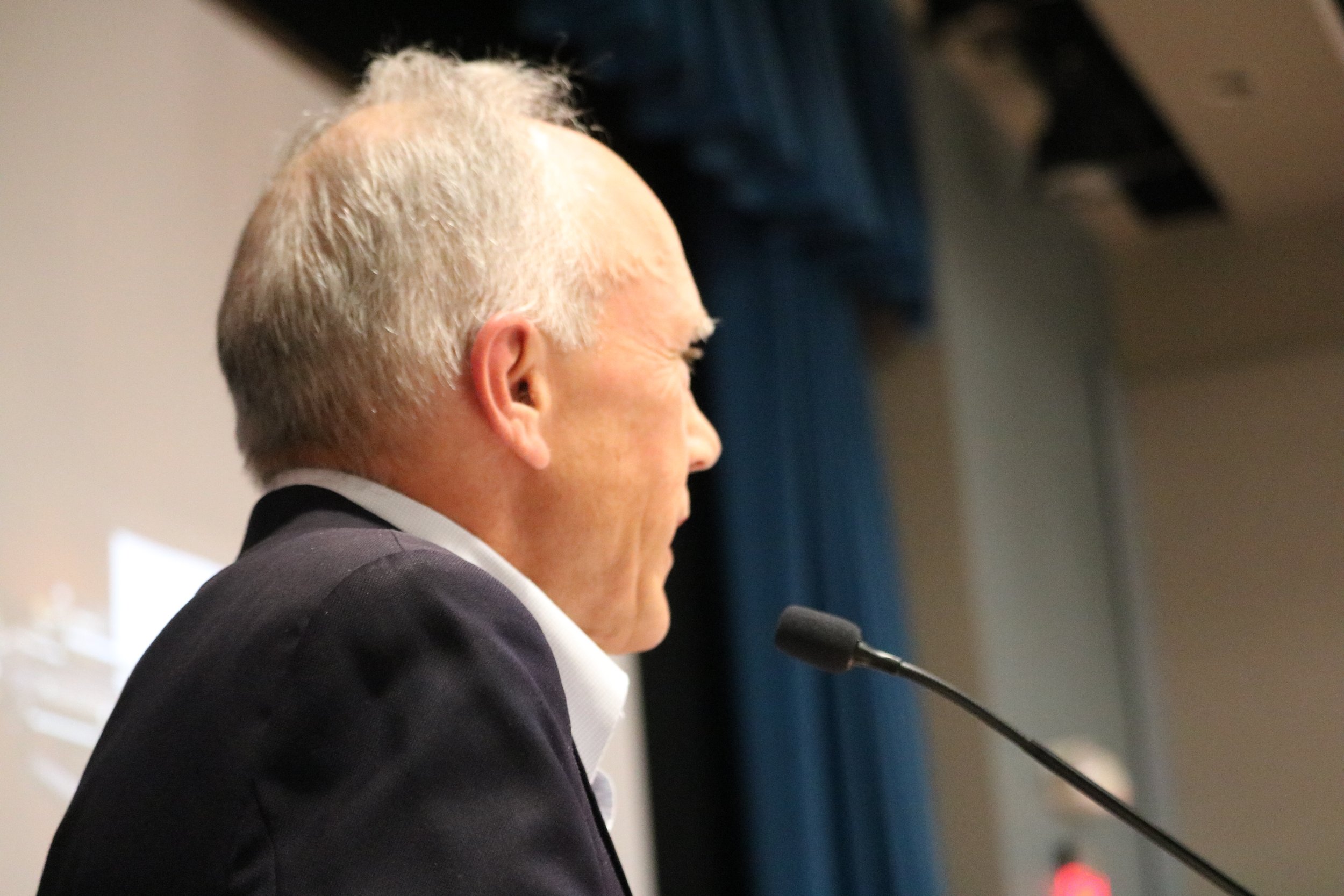
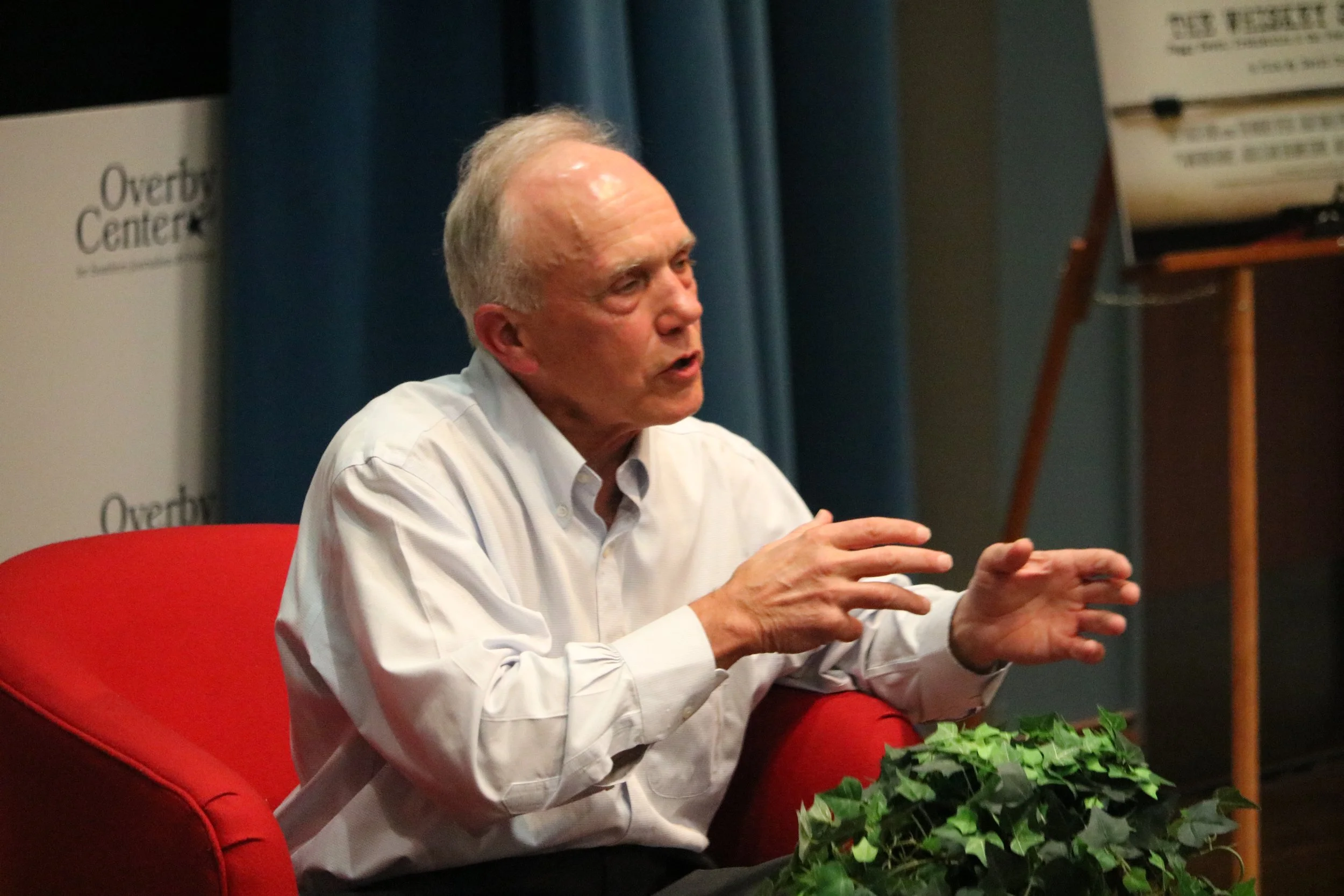
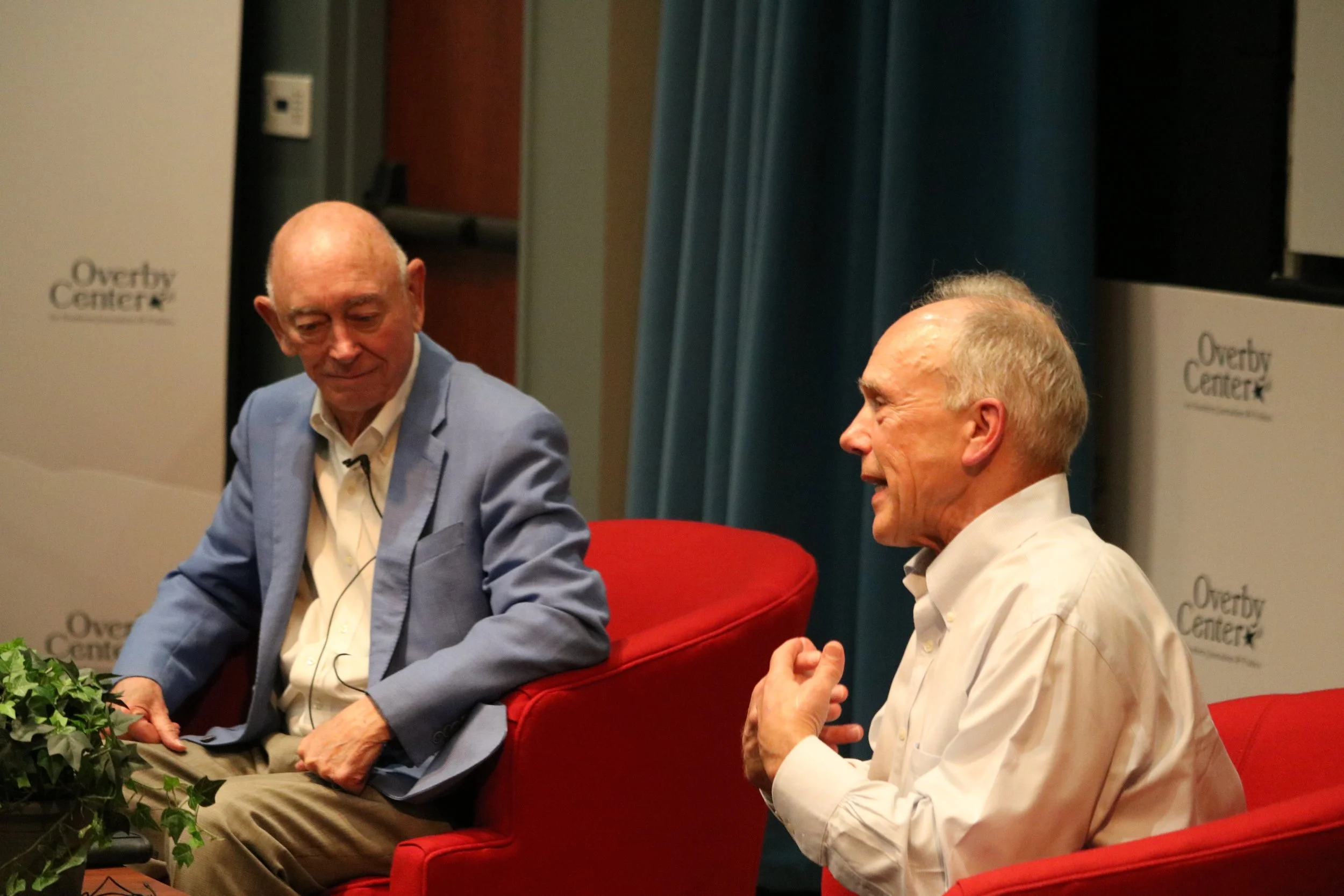
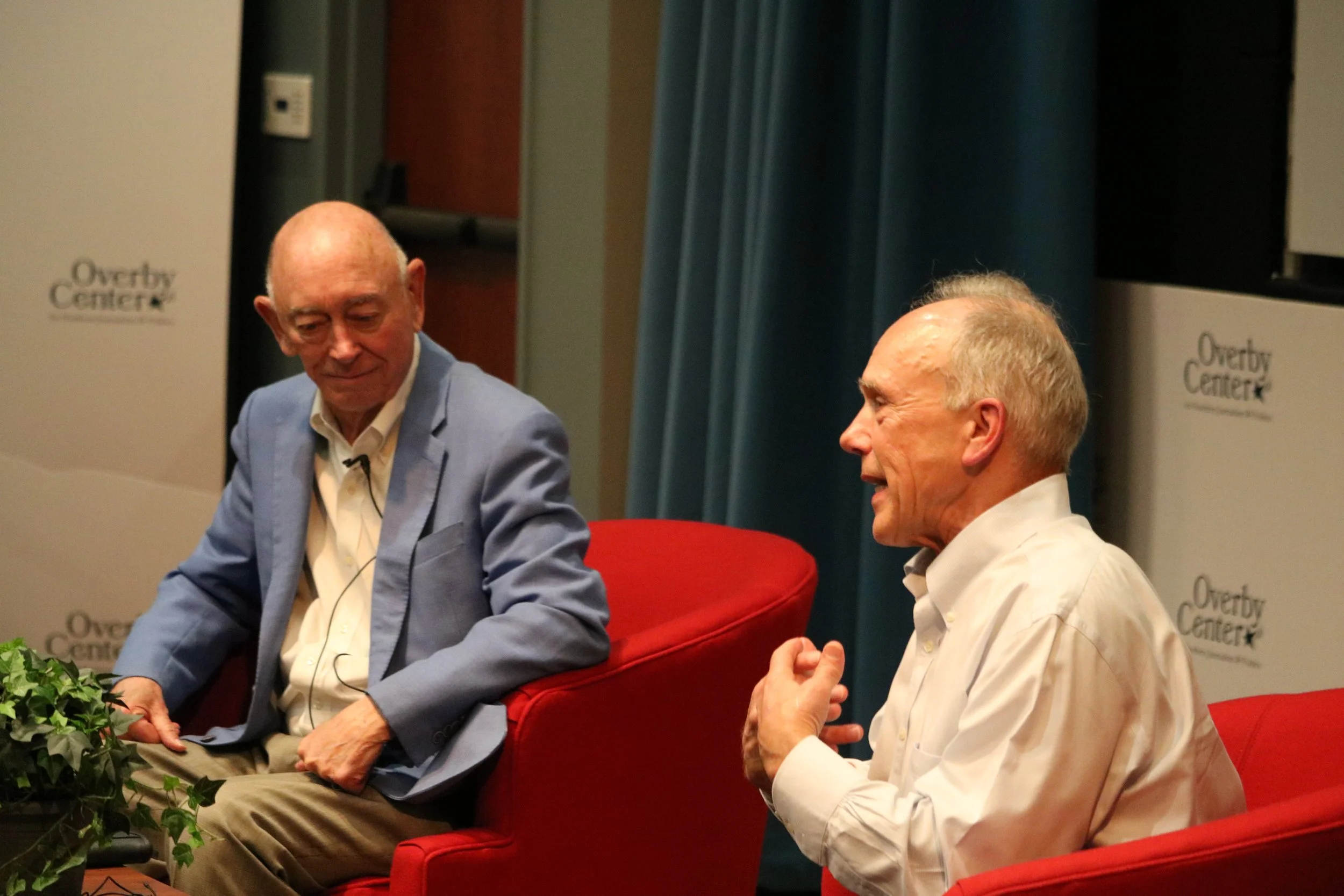
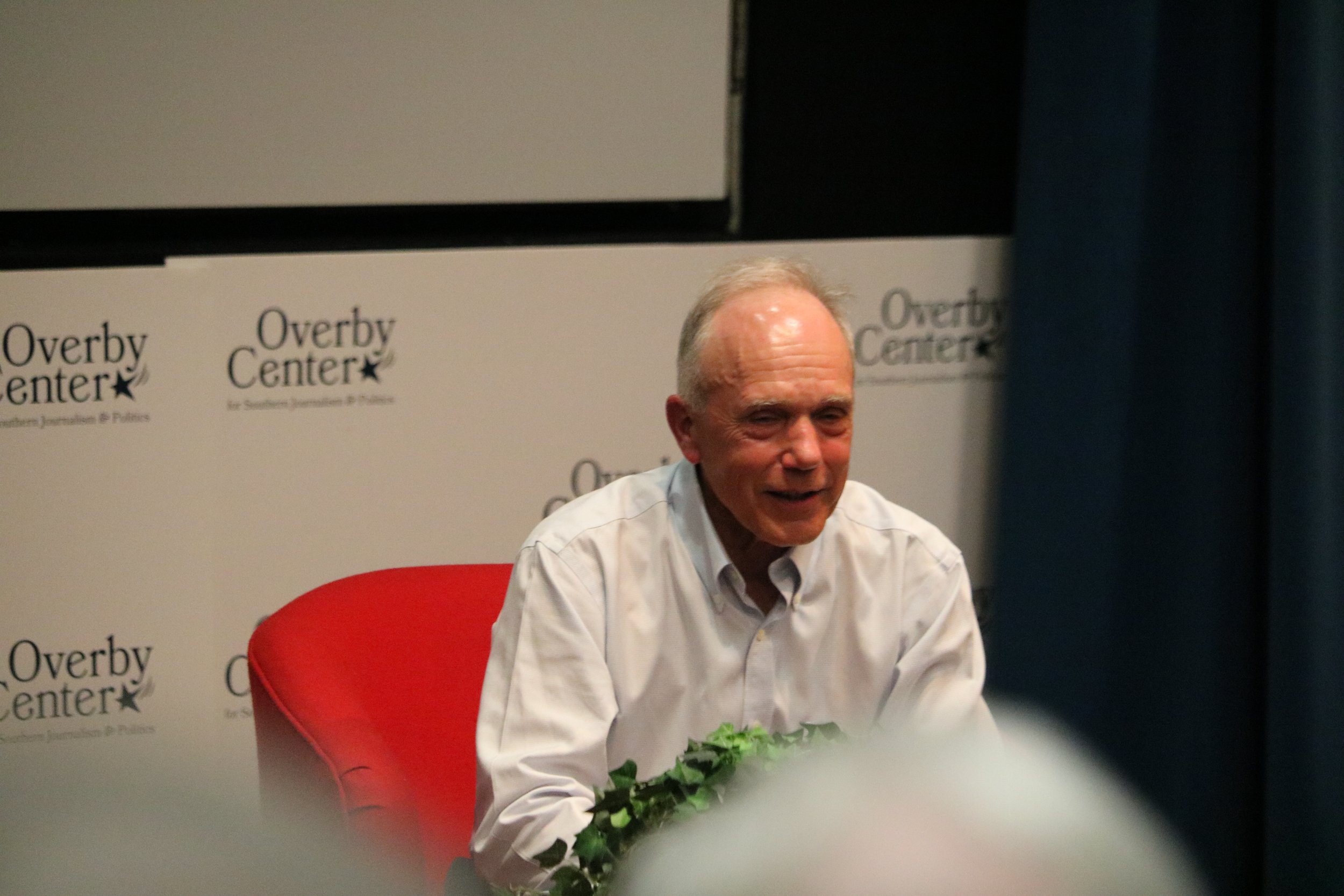
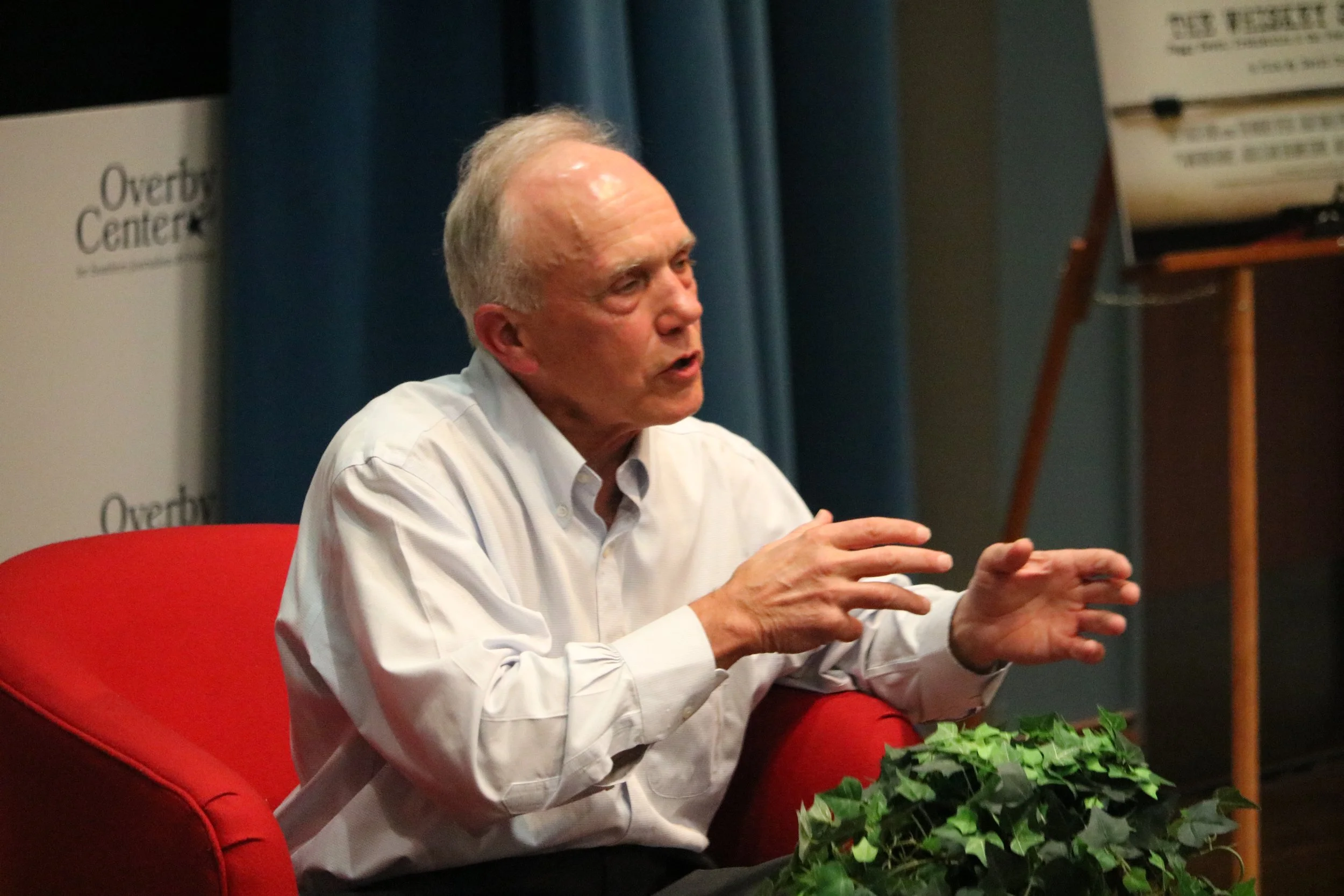
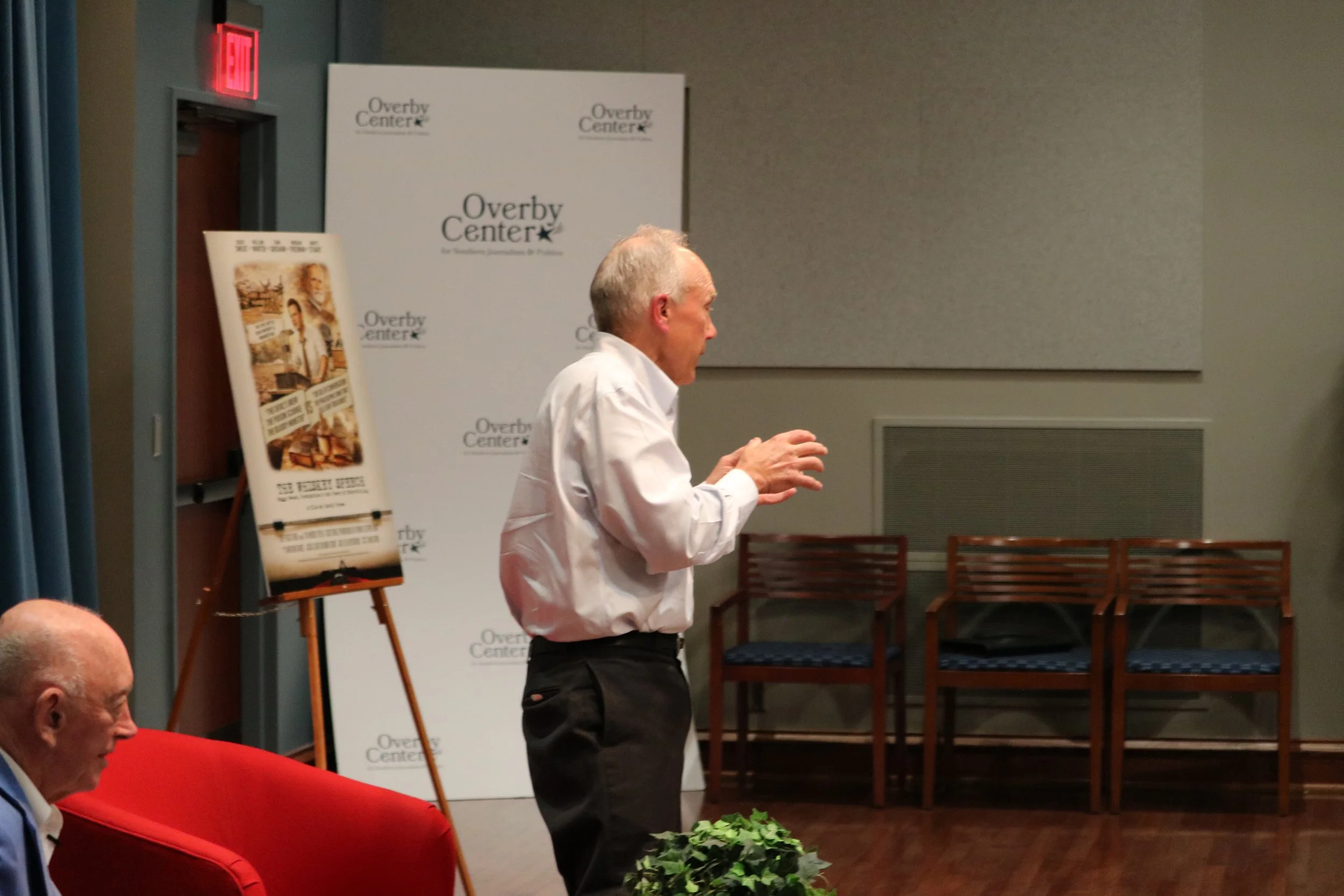
The Overby Center for Southern Journalism and Politics hosted a screening of the documentary film "The Whiskey Speech: Soggy Sweat, Prohibition & The Power of Storytelling" on March 24 in the Overby Center auditorium. The film is directed and produced by David Crews, a member of the Overby Center Board of Trustees. Crews participated in the program along with Charles Overby, chairman of the Overby Center.
When Prohibition was still in effect in Mississippi and the issue of liquor a major point of political and social discussion, Judge Noah S. “Soggy” Sweat first delivered the speech at the King Edward Hotel in Jackson, Miss., in 1952. The speech is known for the extraordinary rhetorical and theatrical approaches in which Sweat came down on both sides of the issue. The film explores the historical, political, economic, religious, personal, and linguistic dynamics of the speech.
Among those interviewed for the documentary by Crews are novelist John Grisham, musician Marty Stuart, journalist Curtis Wilkie, several of Sweat’s friends, and Emory University historian Joseph Crespino.
Please push the play video button to see the trailer of the Whiskey Speech documentary.
In the documentary, historian Joseph Crespino emphasized the humor Sweat used in the speech to convey both sides of the same issue.
"It captures the kind of comic paradox of living that two seemingly contradictory things can be true at the same time," Crespino said. "That alcohol can destroy people's lives. Yet alcohol can be the oil of conversation, the 'philosophic wine,’ the thing that puts the spring in our steps and makes life passable if even for a fleeting moment."
Actor Bruce McGill said that Sweat had an understanding of what the constituents were feeling about the issue and made a case for both.
"He knows what constituents are thinking that it's the devil's brew, the poison scourge, the bloody monster," Bruce McGill said. "And other people go to tax dollars. We're going to build roads, highways, hospitals, schools. Those are the two sides of the same issue, and he miraculously, in a couple of minutes, makes a great case for both."
Crespino discussed how Sweat was able to change people's hearts through his storytelling.
"The way that ultimately people's hearts were changed was not through laws passed by legislators or laws pronounced by judges, but it was by people telling stories, through literature, through speeches, through oratory," Crespino said. "And those kinds of stories, always in politics, are the things that change people's hearts. It's the metaphors, it's the images, it's the storytelling, and Soggy Sweat was a good storyteller."
Over the span of seven years, Crews conducted 67 interviews with 49 people being in the film. He aimed to capture the insights and perspectives of the interviews into a coherent film.
"By gathering all these insights and perspectives I’ve attempted to convey something powerful," Crews said. "The films navigates the politics, the economics, the religion, the hypocrisy, and our contradictory nature. I hope that I've woven what they say into a coherent, meaningful and valuable film."
Crews compared the divisive politics when the Whiskey Speech was written to the politics of today. He said that the underlying meaning shown throughout the film was finding a common ground with one another.
"I try to weave some elements into the film where people are saying something valuable and insightful about the importance of getting along, of understanding that there's two sides to an issue generally," Crews said, “except when there are eight sides to the issue.”. "It's so important to gain understanding, not always focus on our divisions, but find our common ground. I hope that message came through. Underneath the surface, there's that element that I'm trying to articulate through this film."
There is a portion of the film that shows Soggy Sweat making the speech in a campaign event at the Neshoba County Fair. Crews said that portion of the documentary was recreated through artificial intelligence to be able to convey the power of stump speaking. Stump speaking was entertainment, and no one could do a stump speech better than Soggy Sweat, Crews said.
"The heart and soul of the film is the speech itself and the delivery of it, which I interspersed with various people's commentary." Crews said. "That is a recreation of it. My editor and I used AI to make it. I couldn't convey that on film, but I could in an authentic and genuine way convey it through the use of AI."
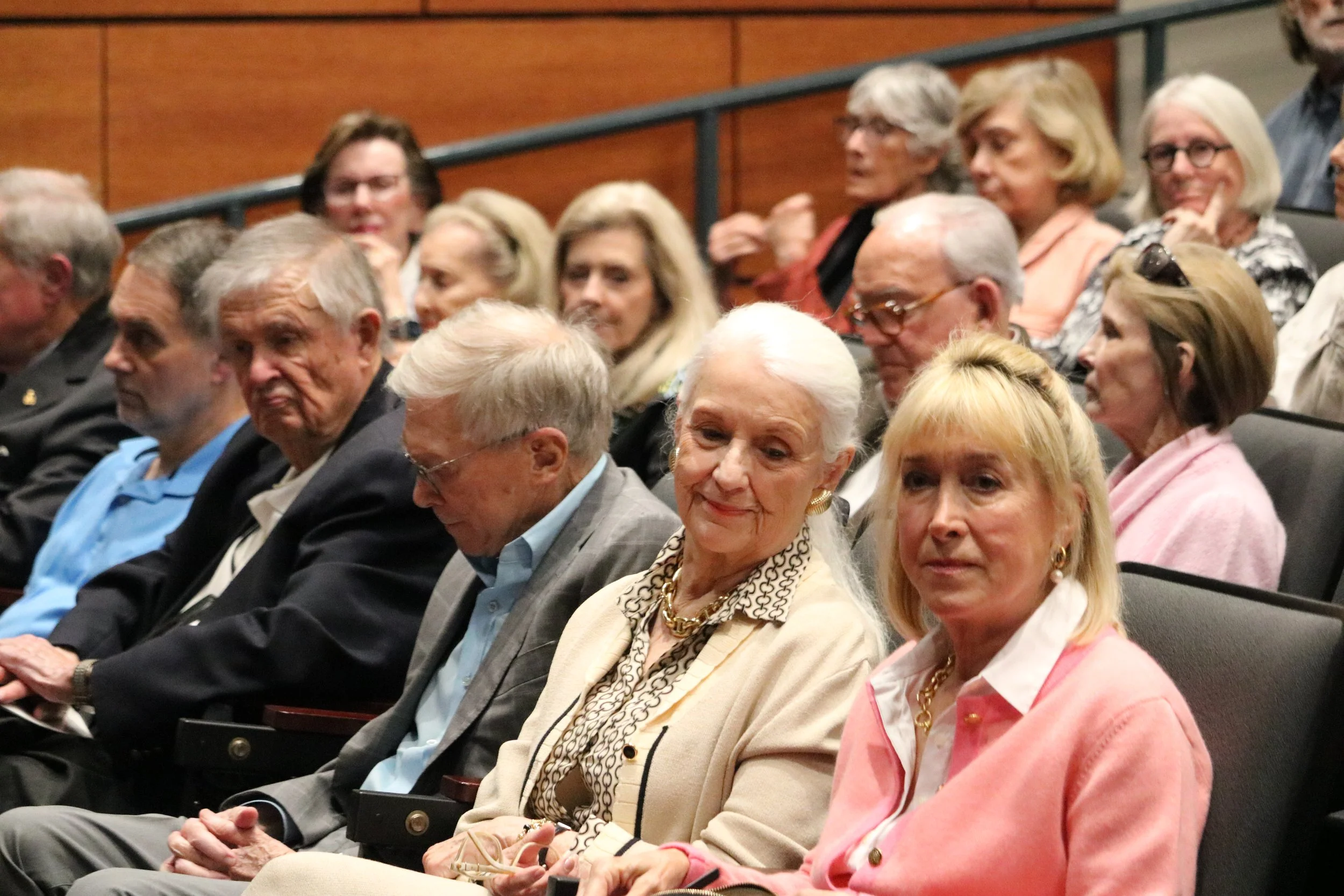
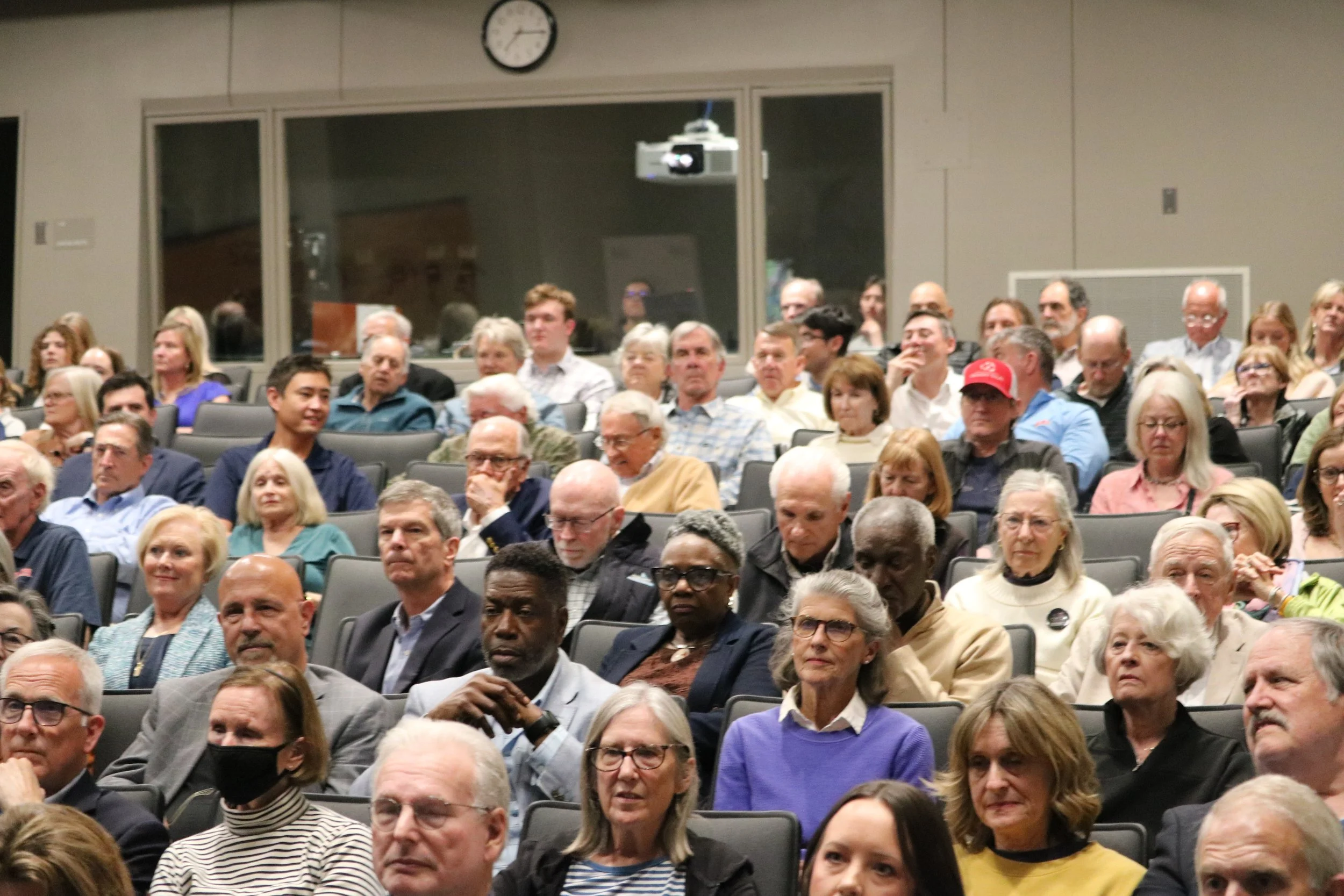
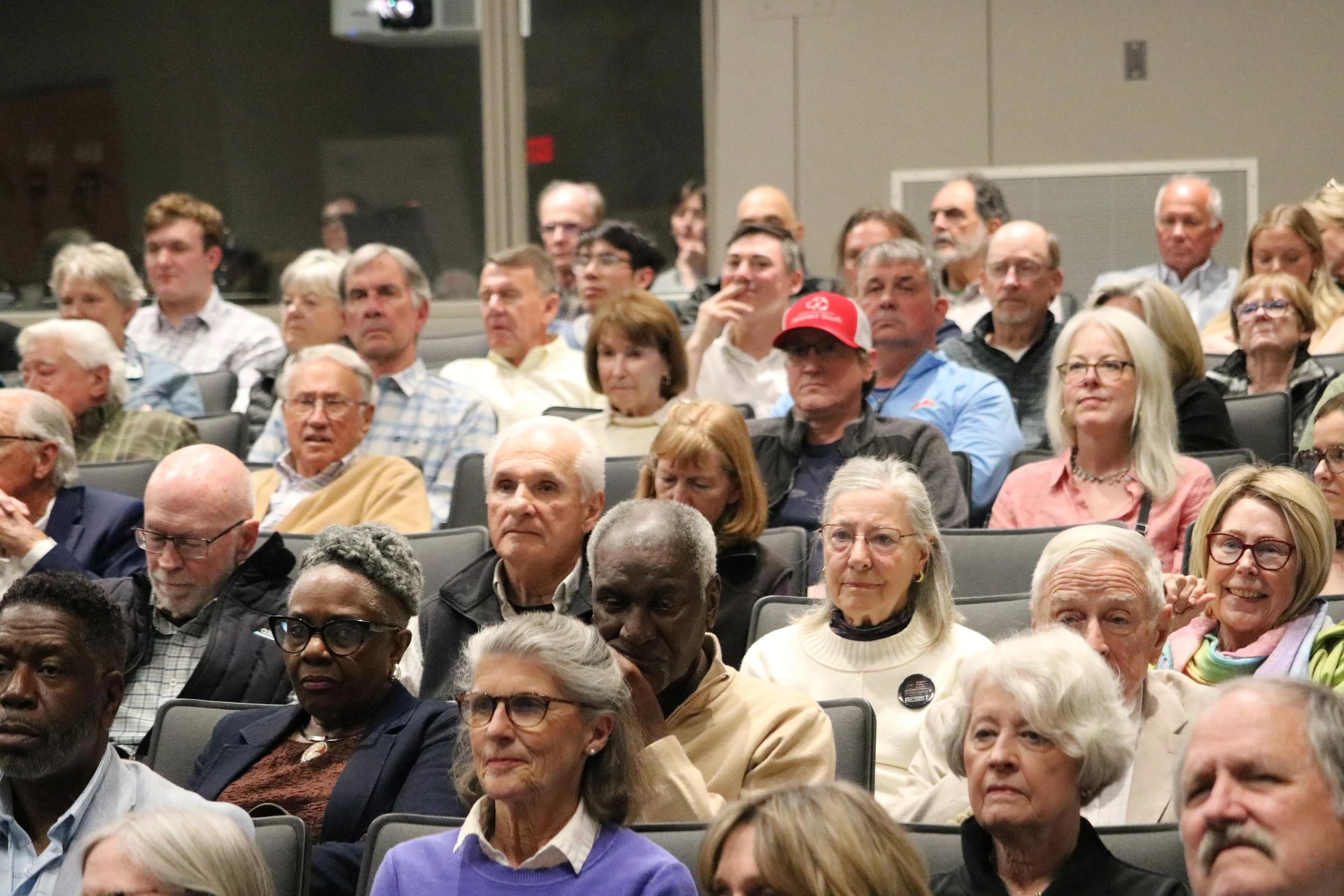
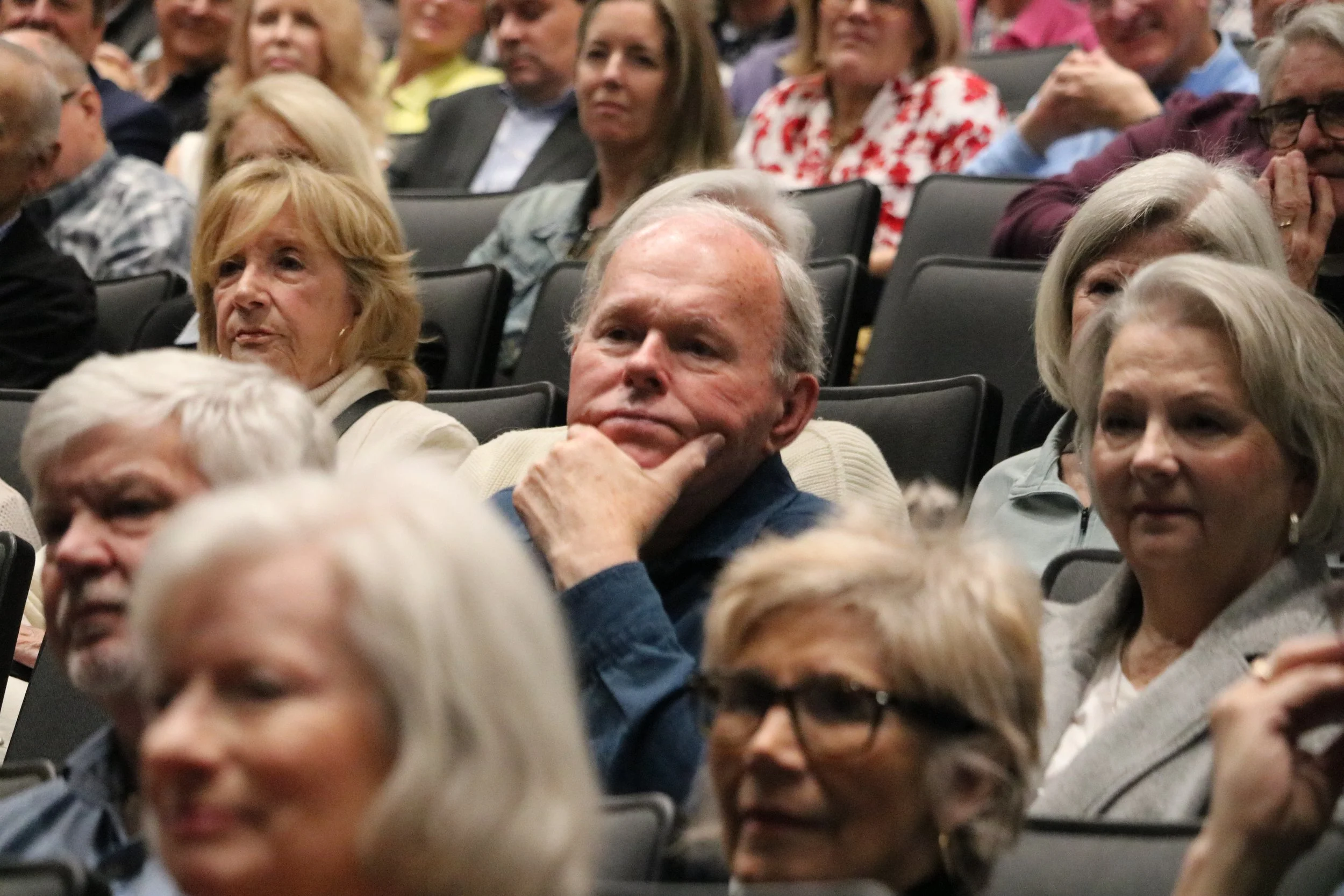
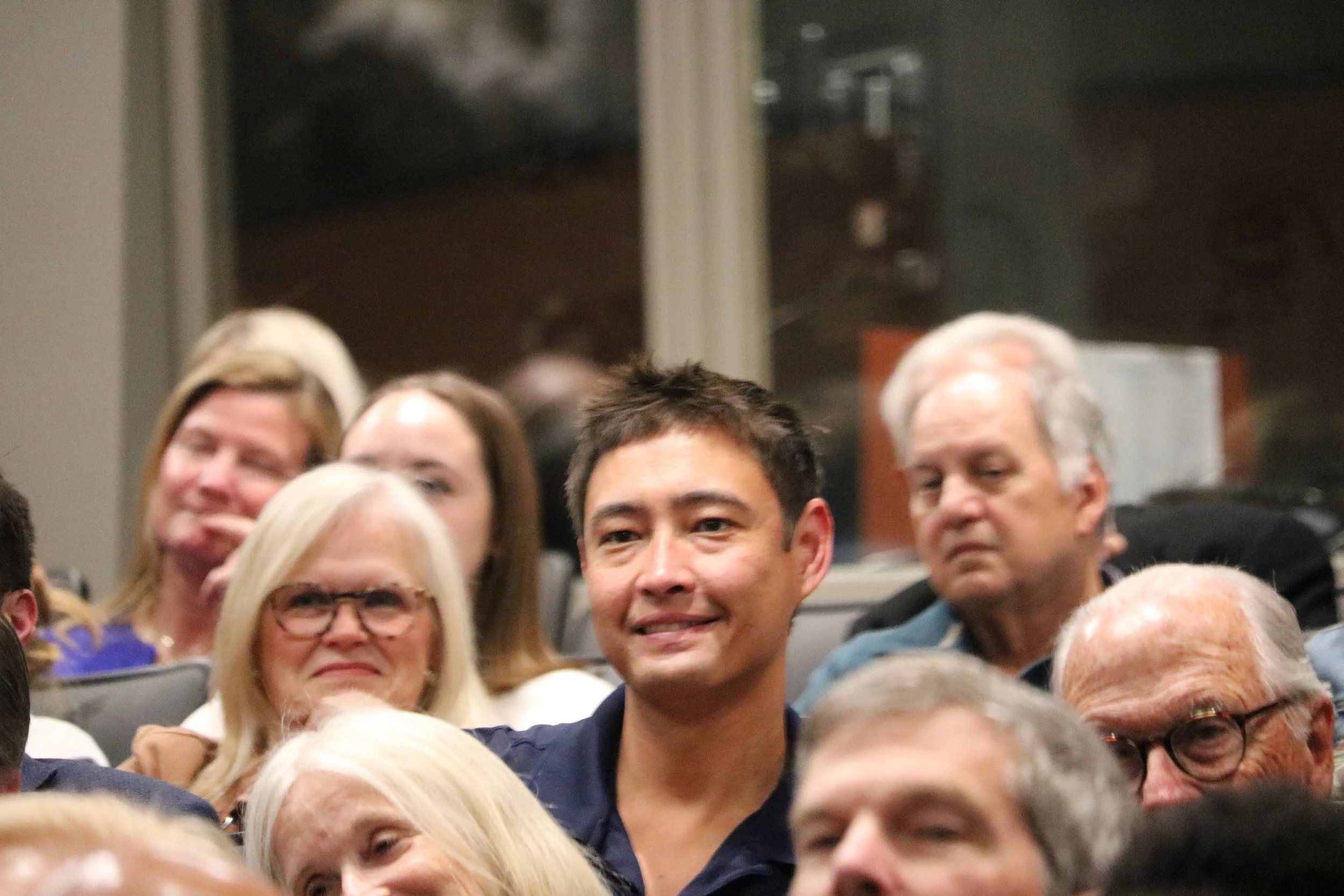
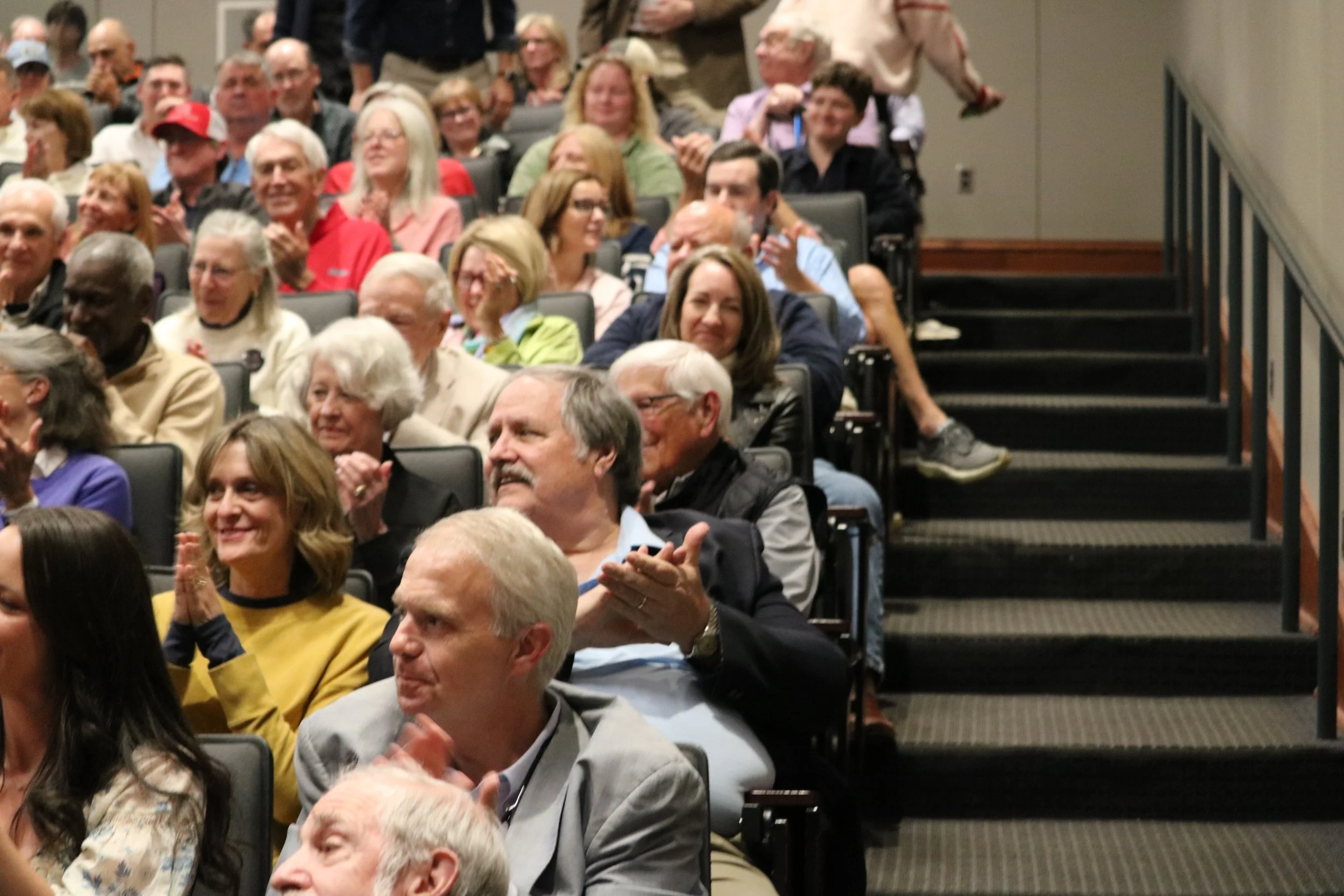
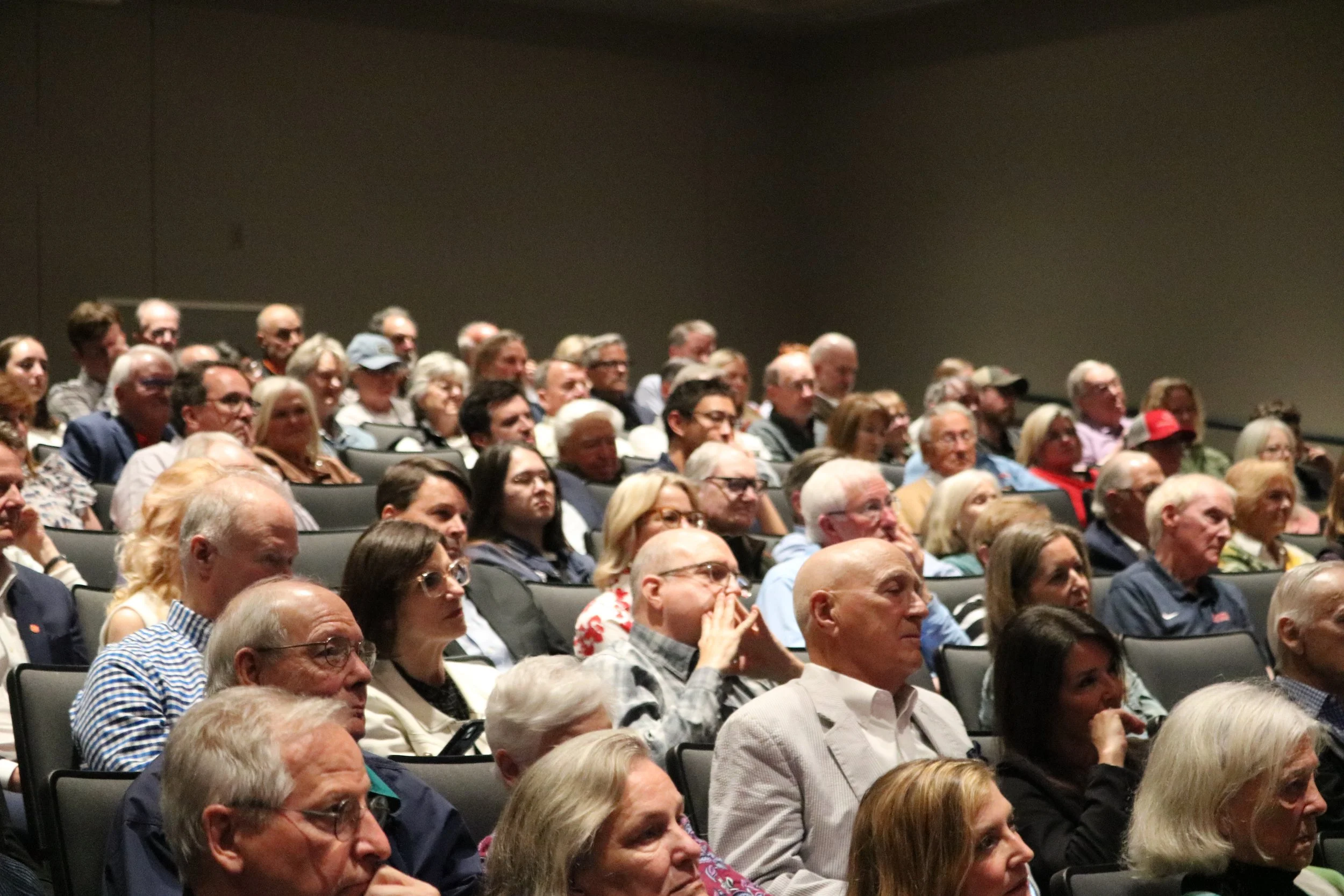
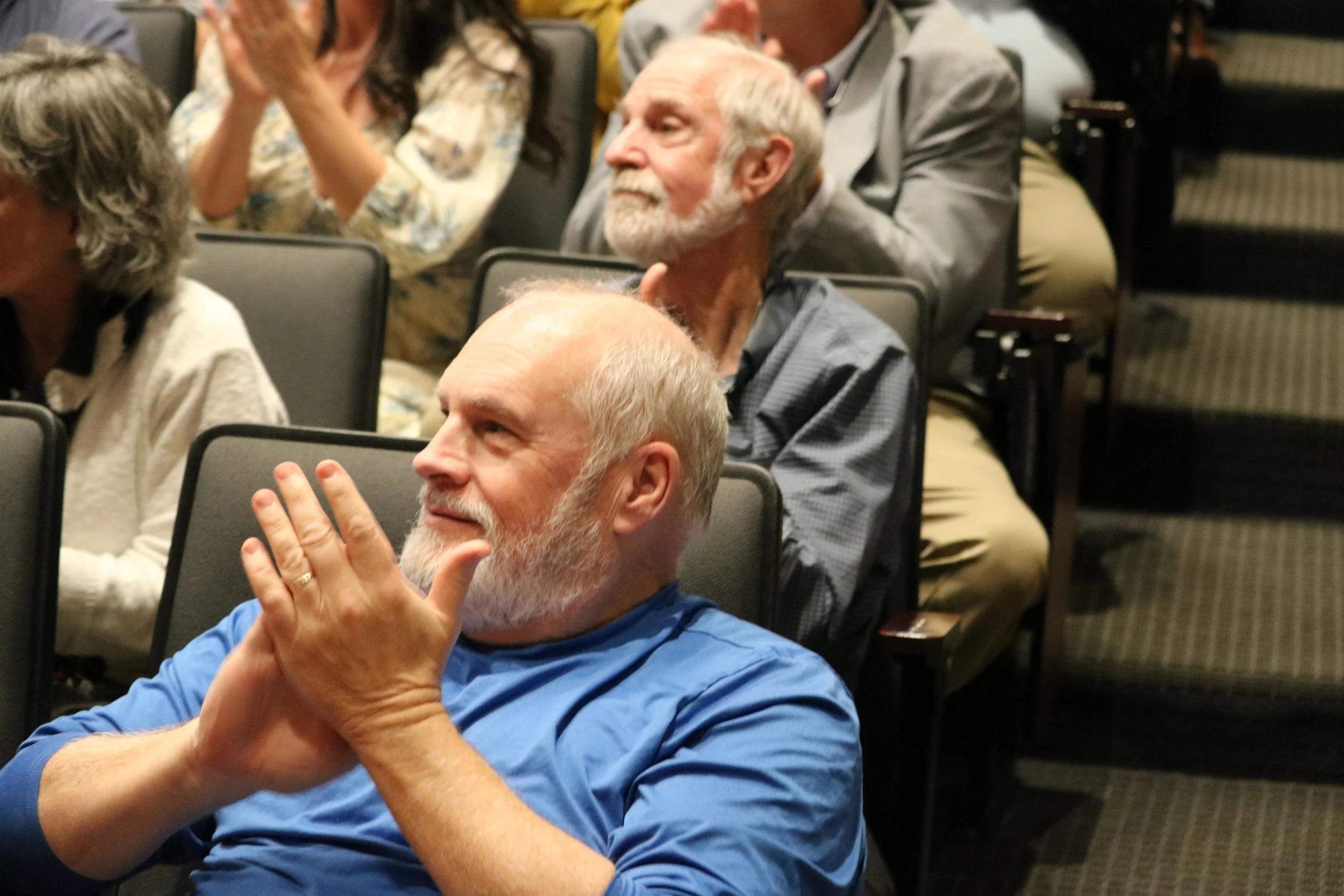
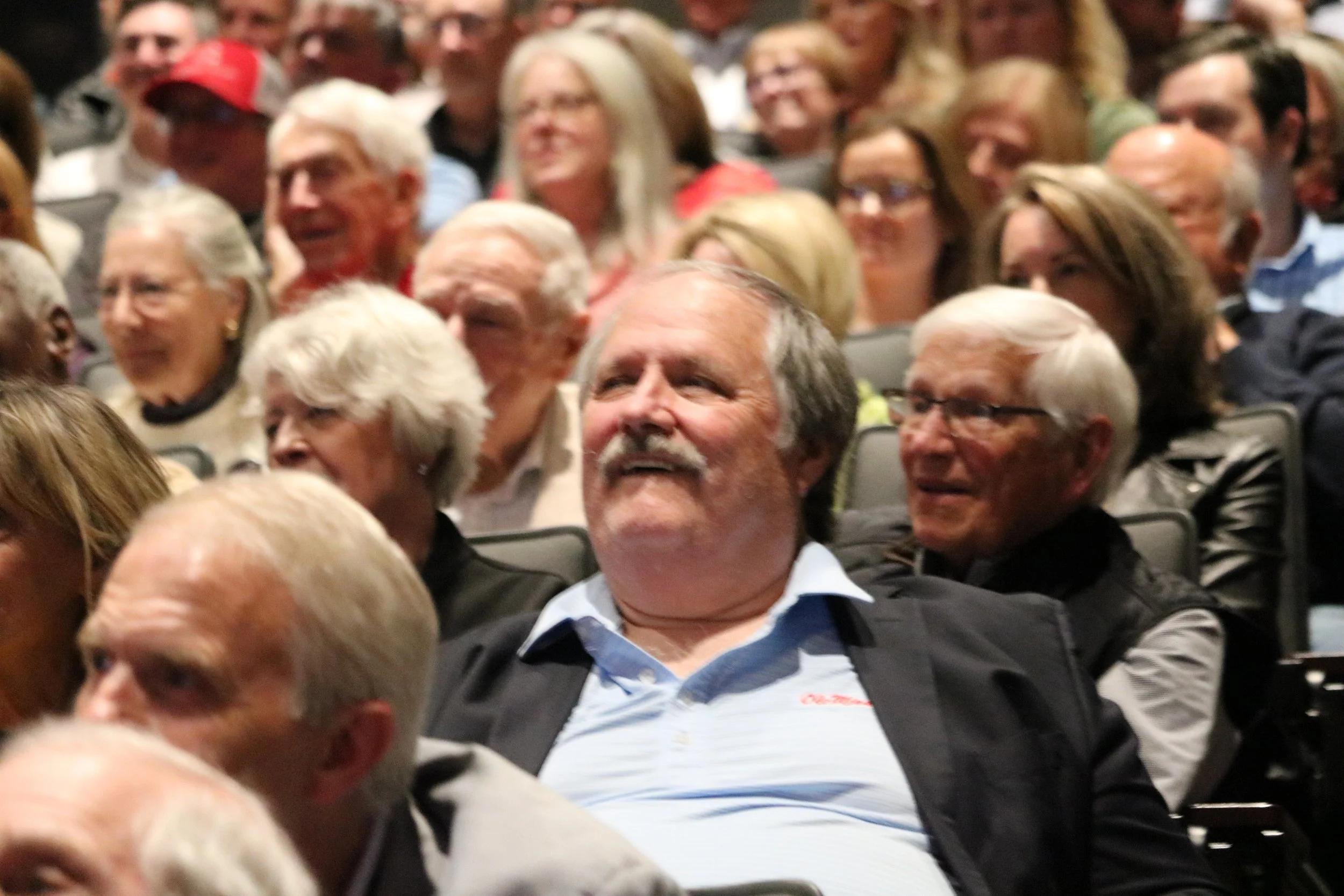
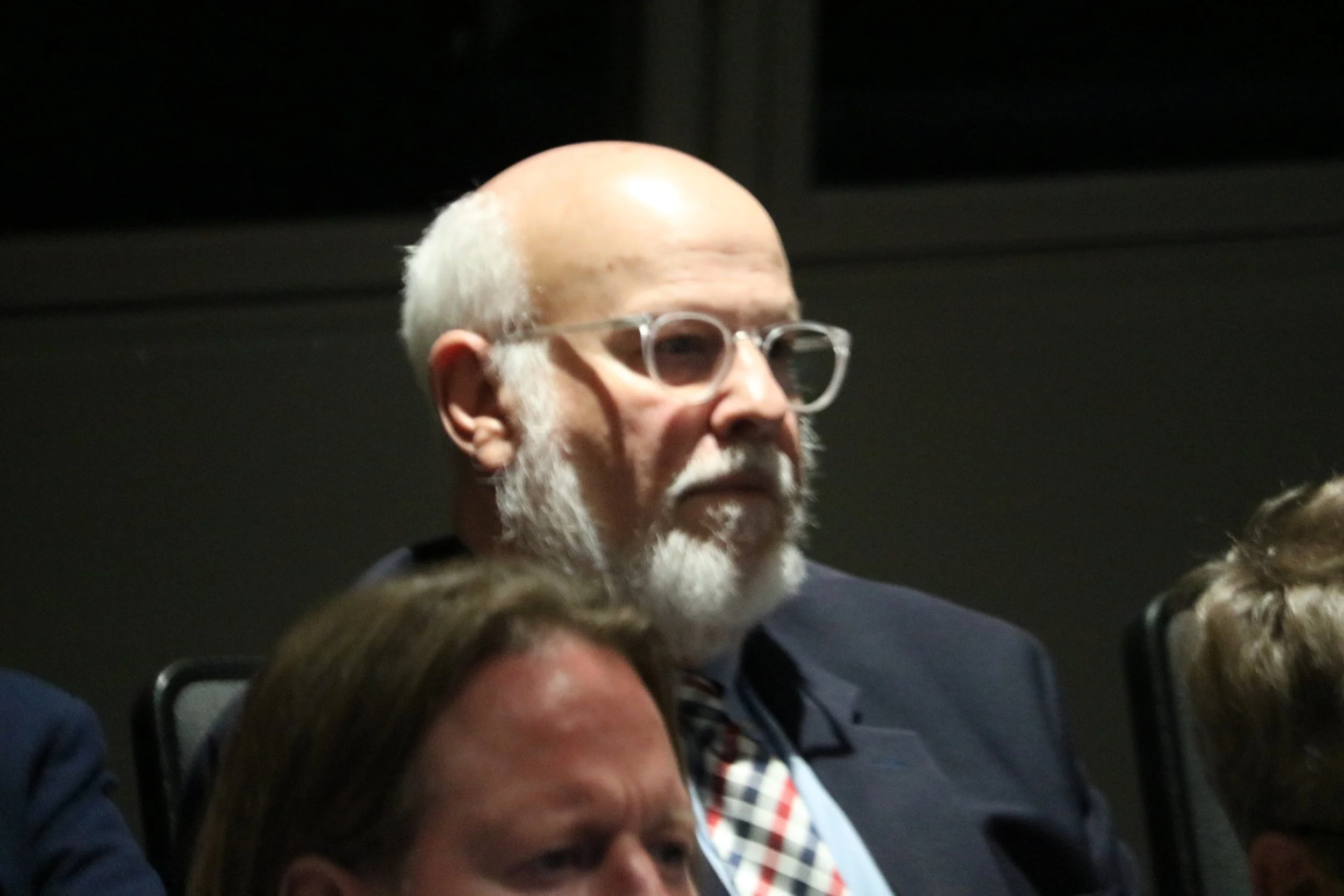
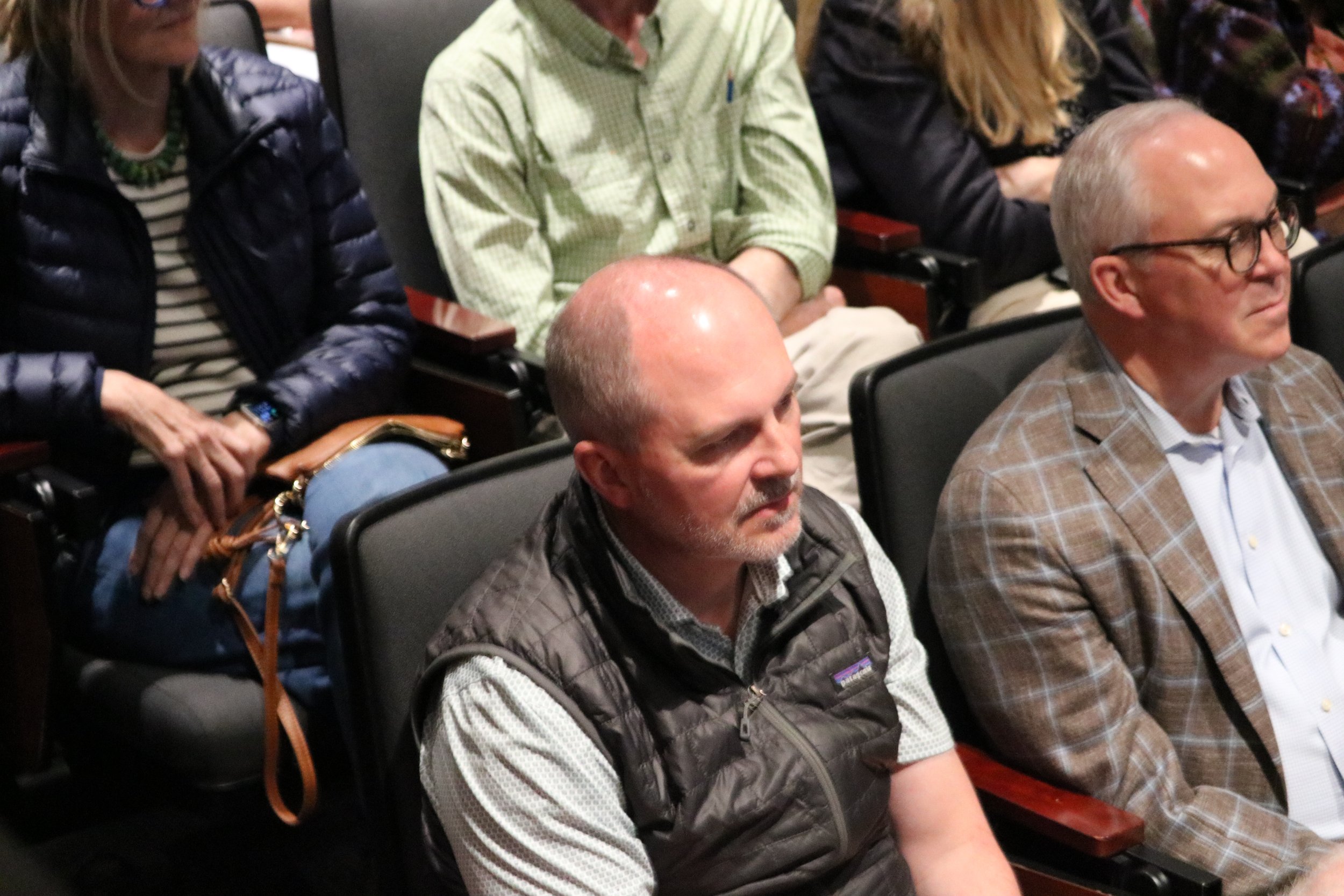
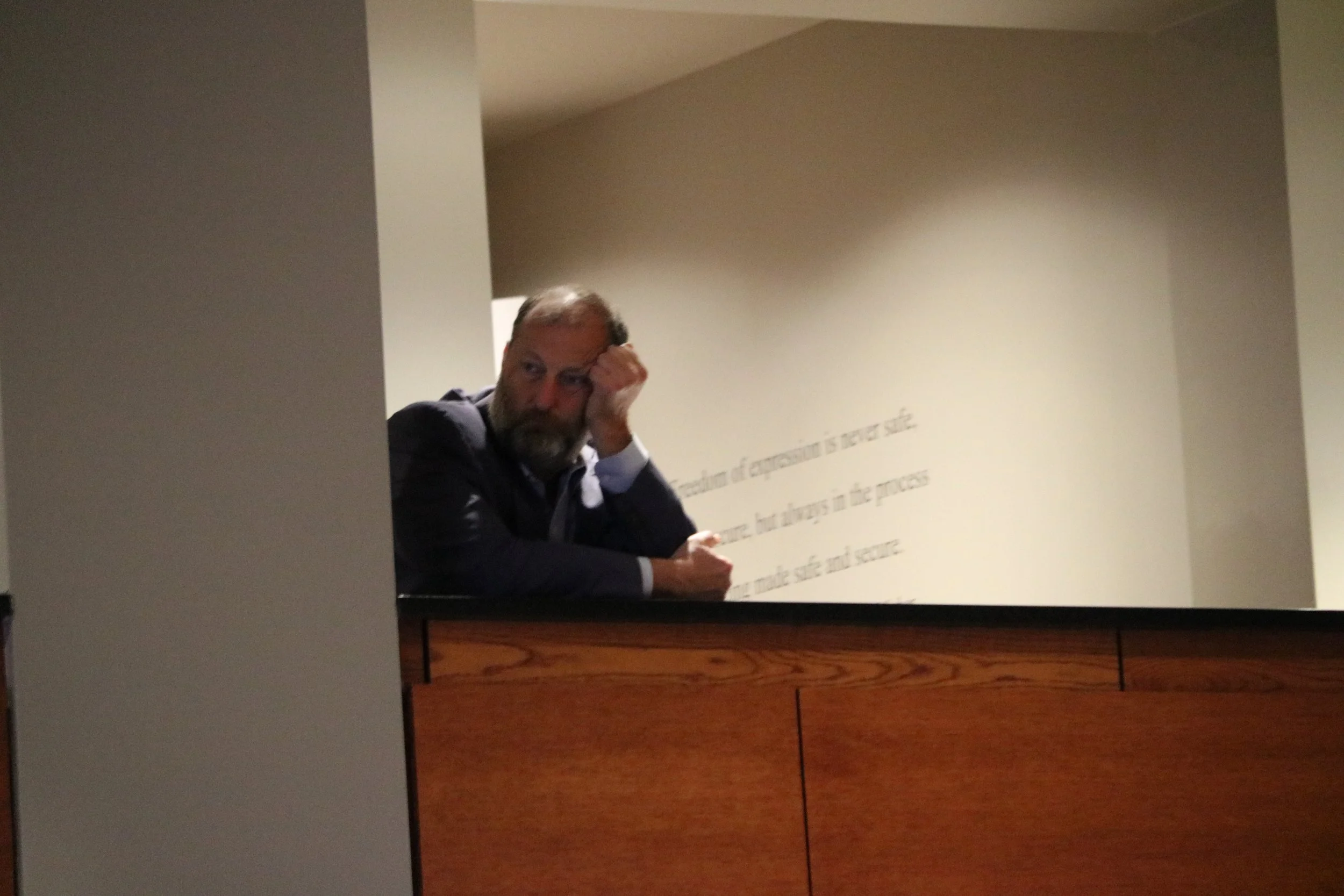
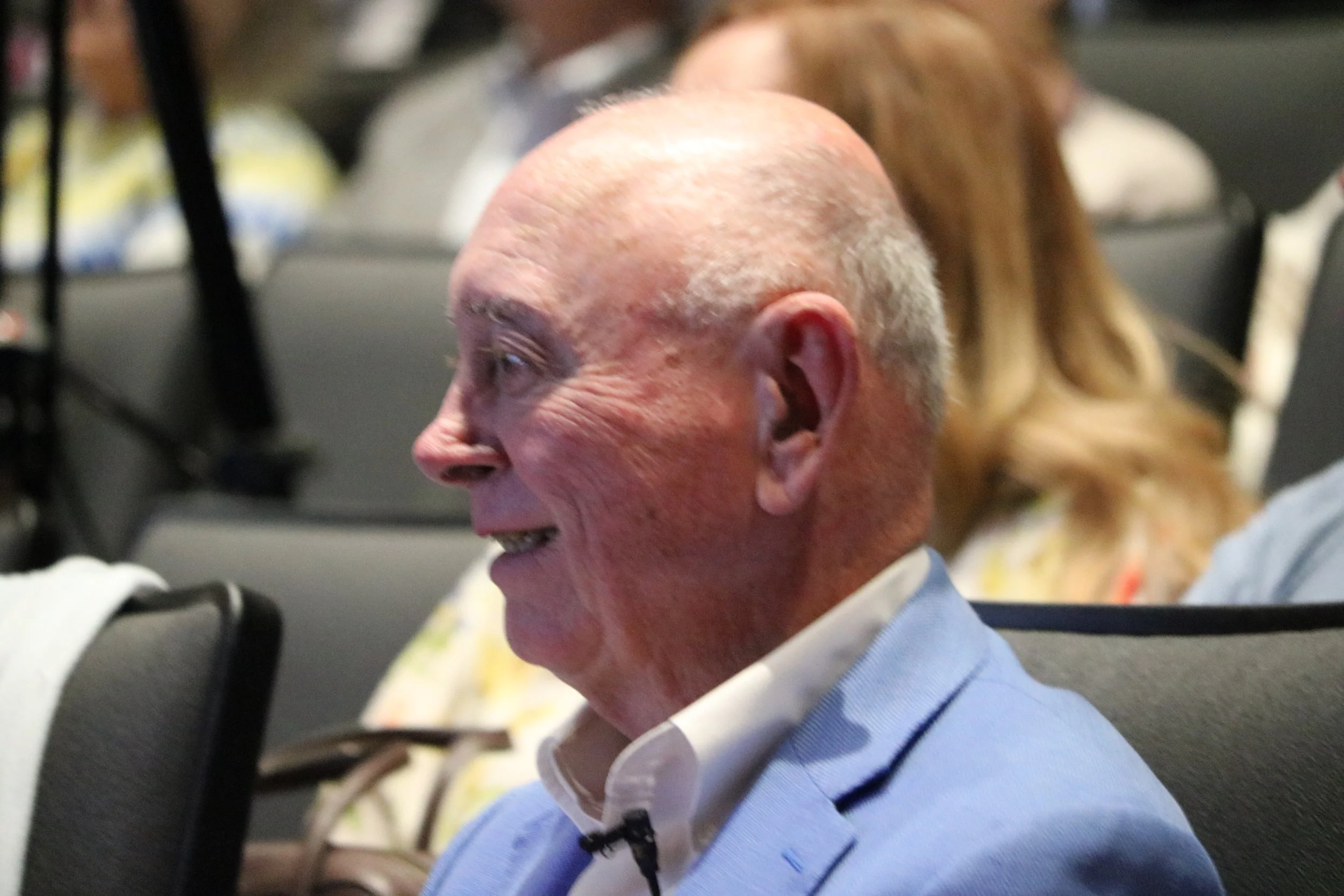
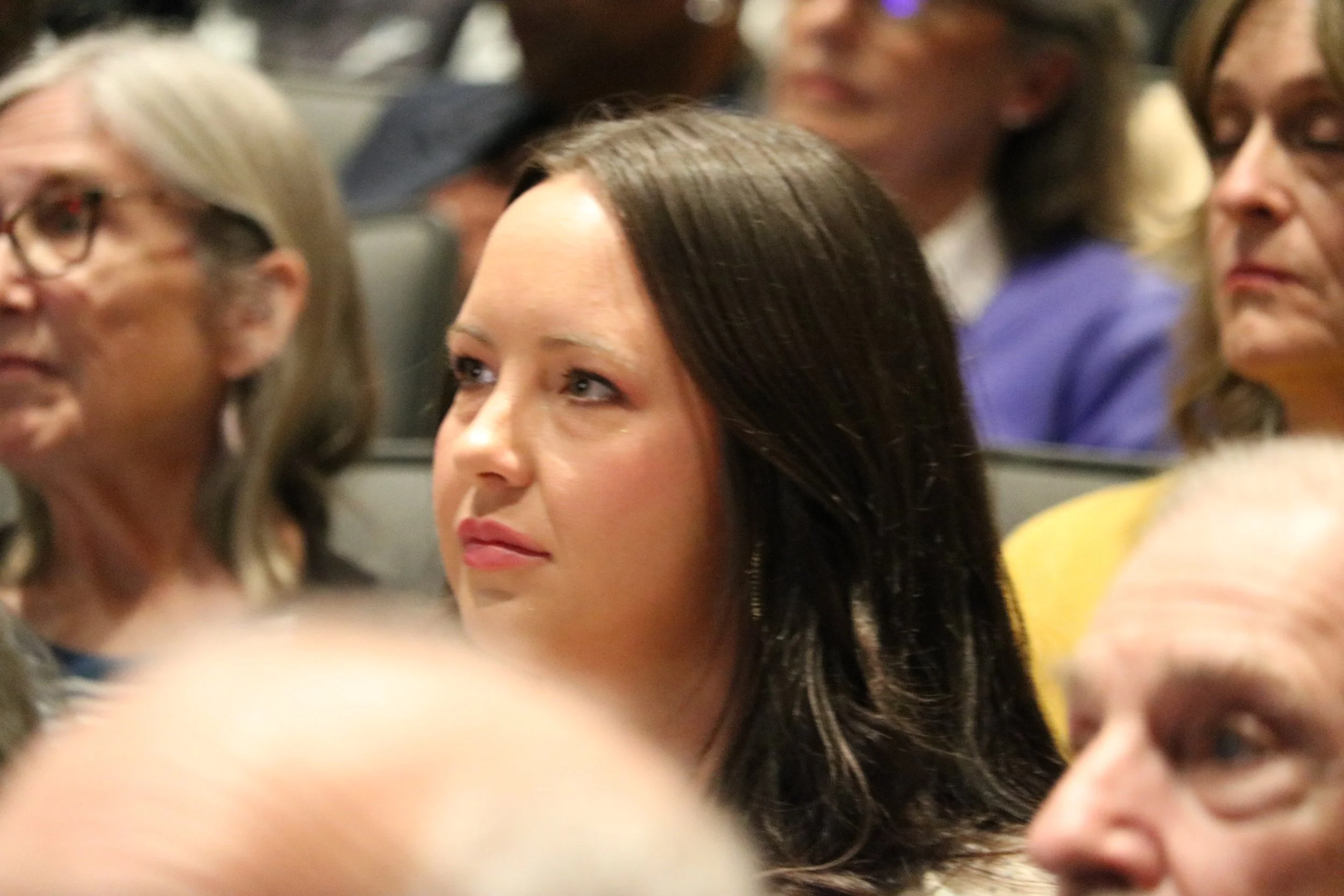
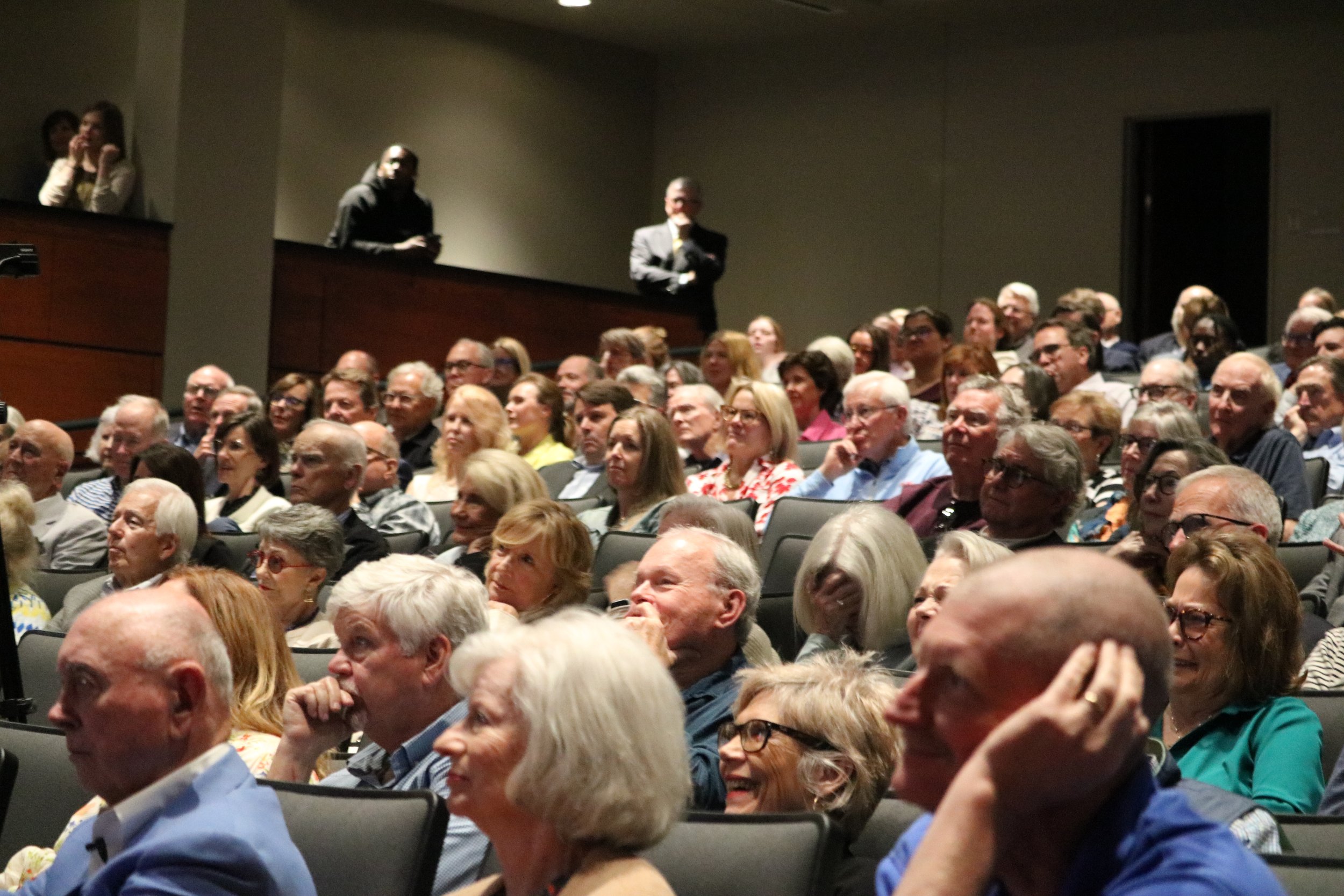
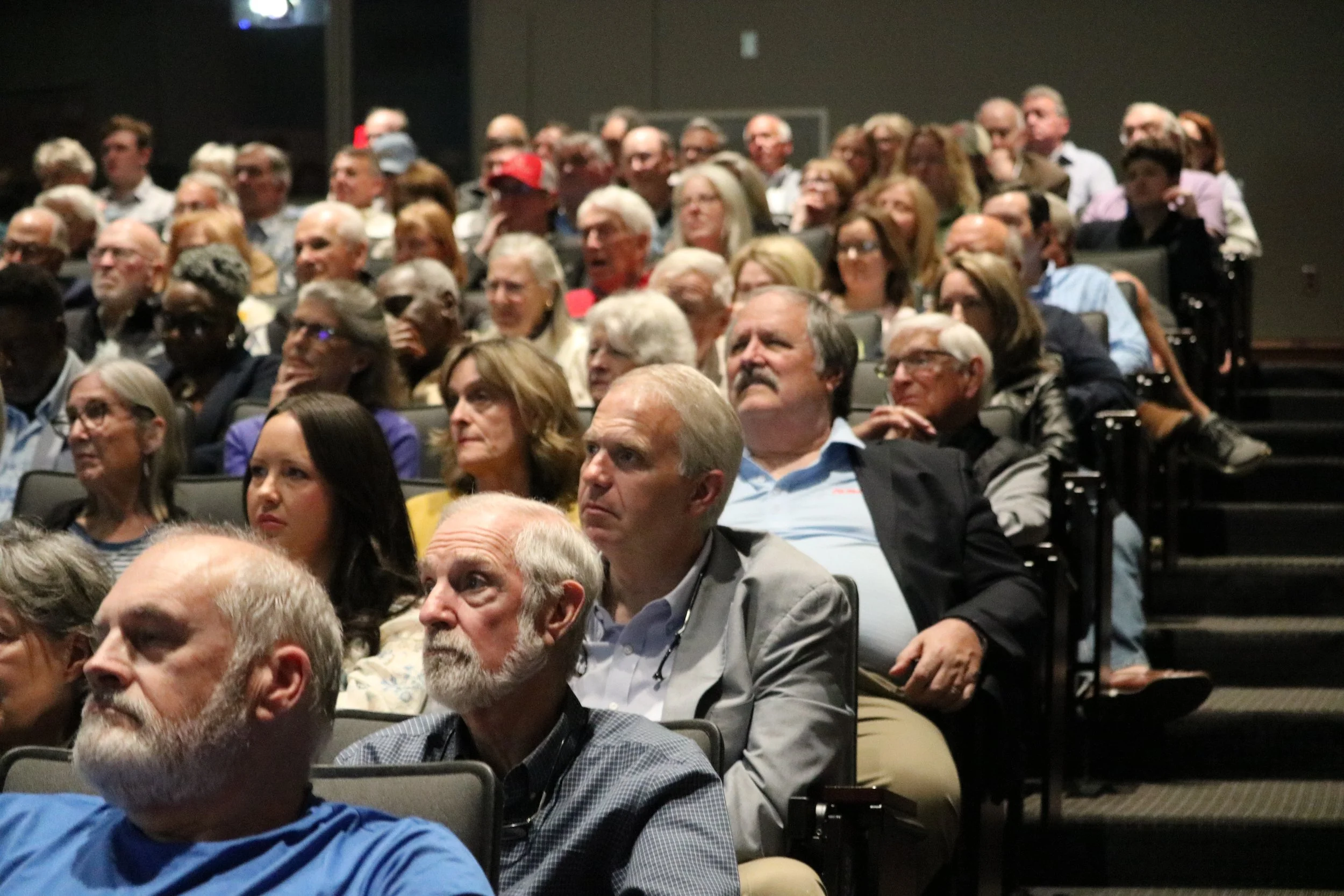
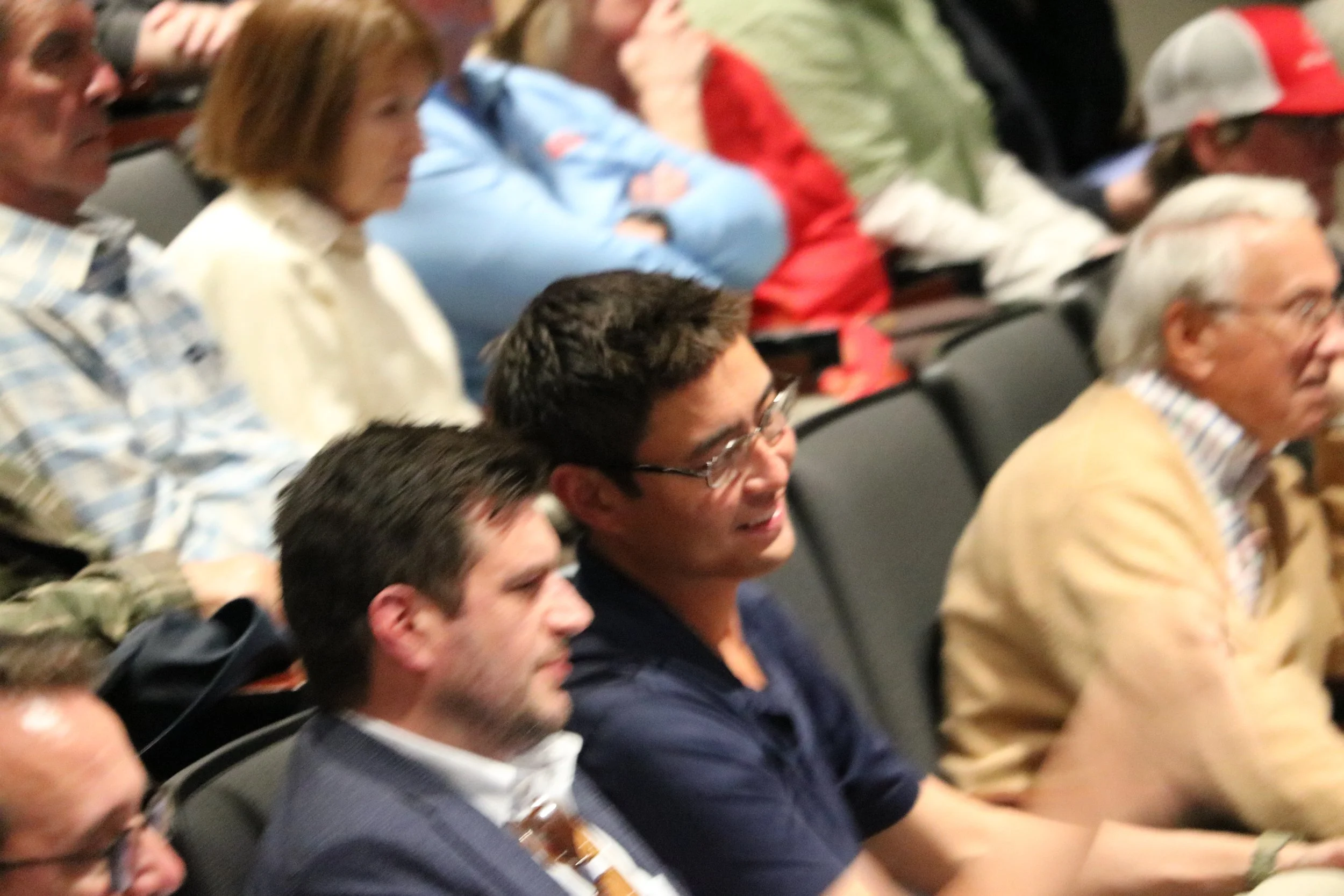
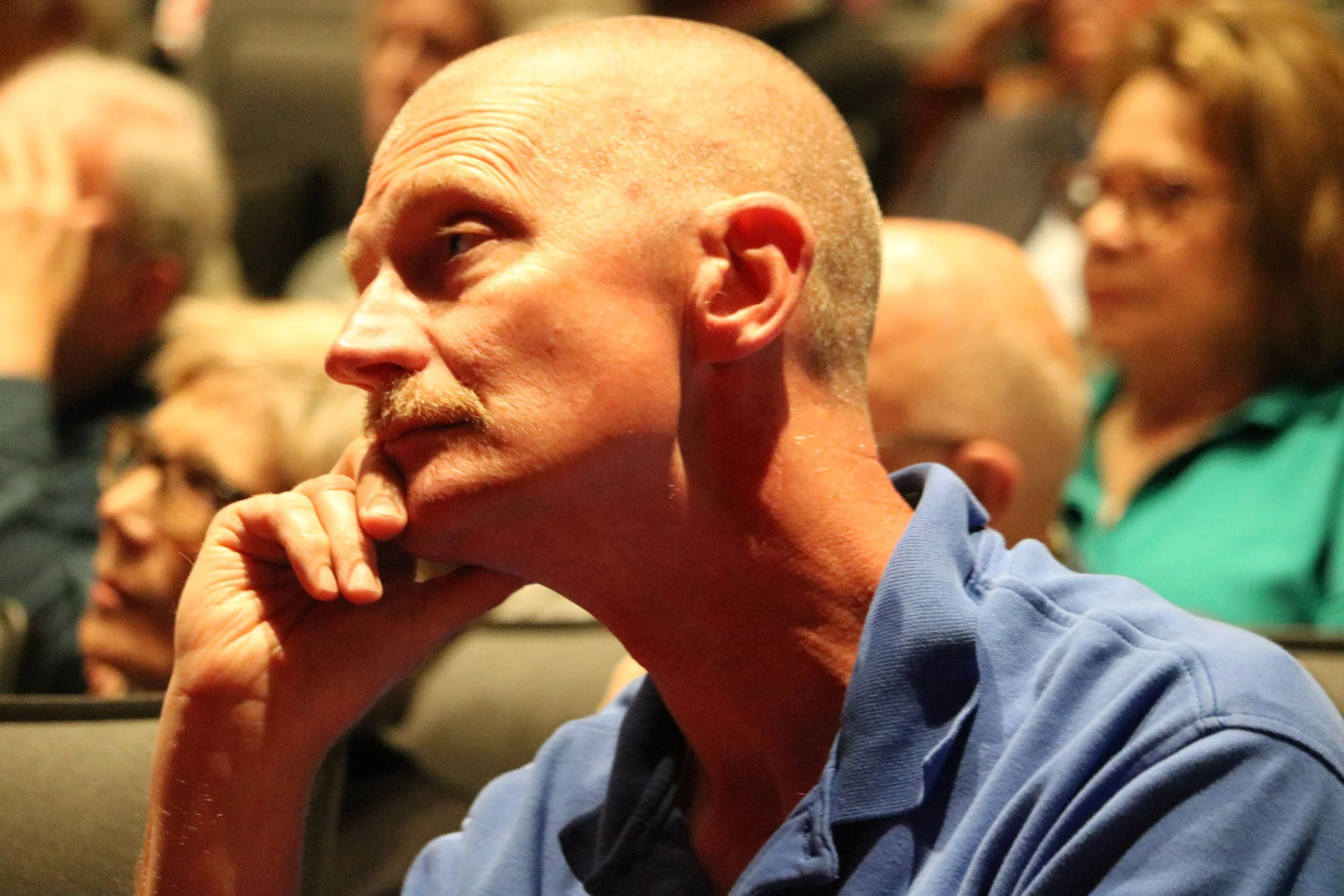
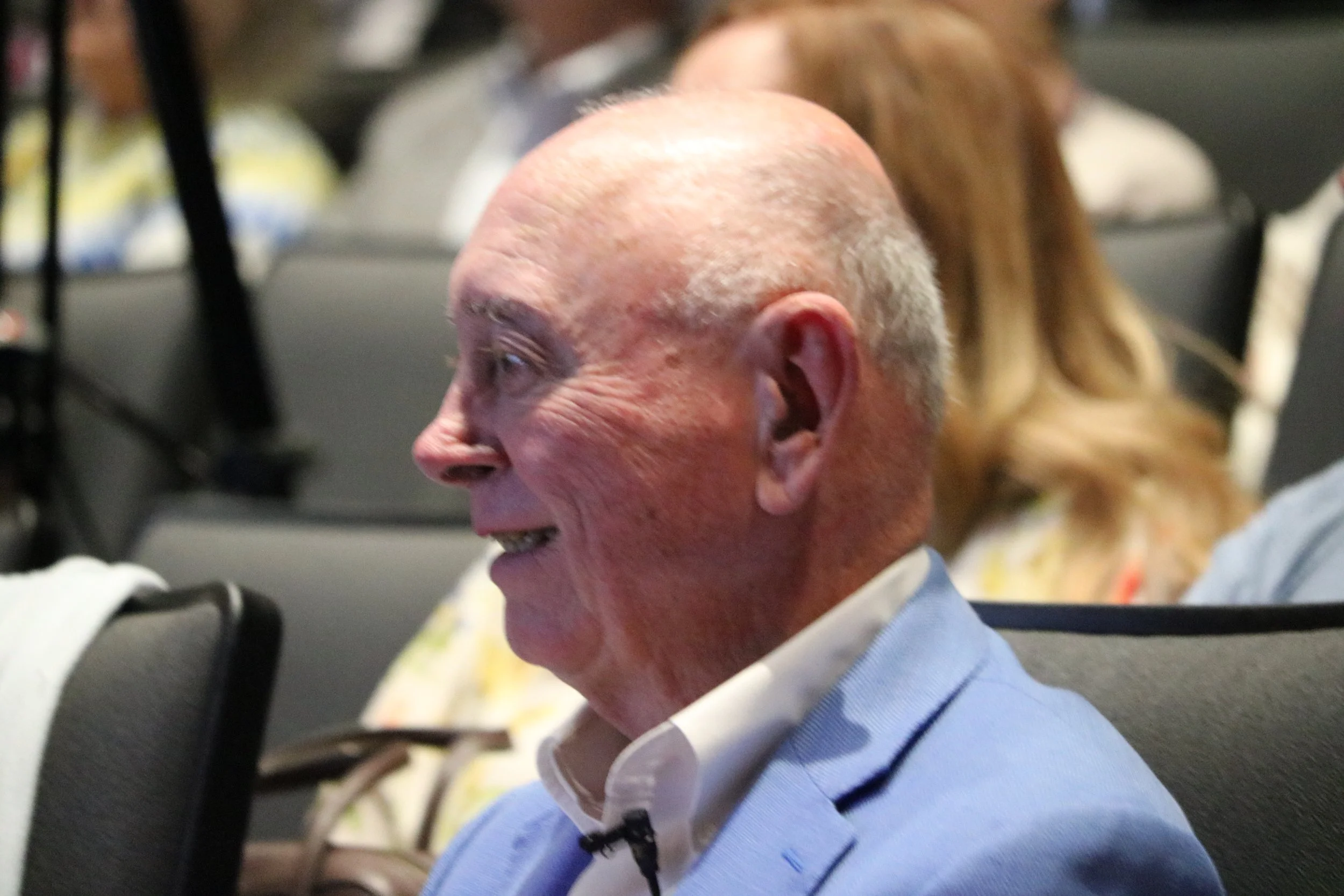
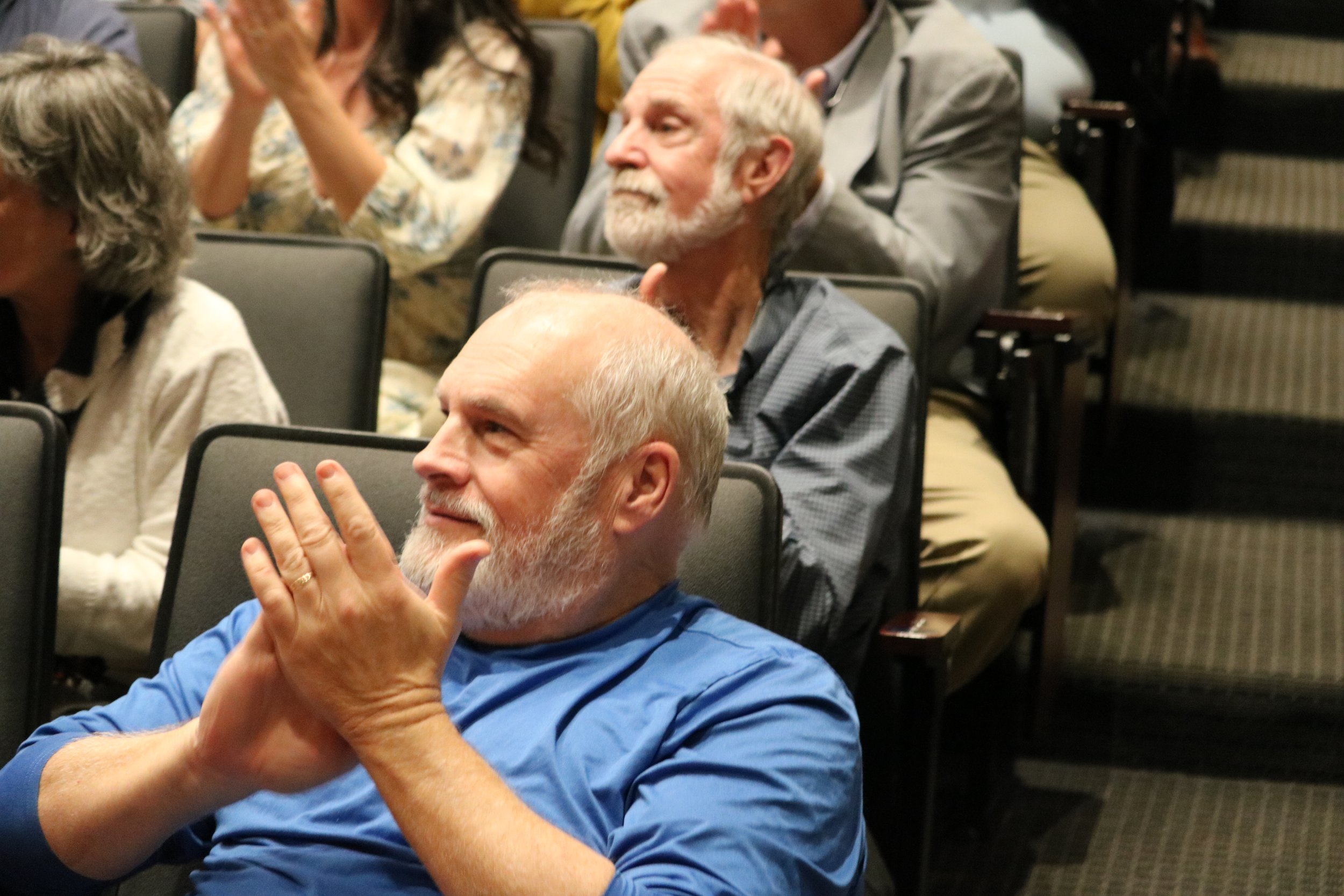
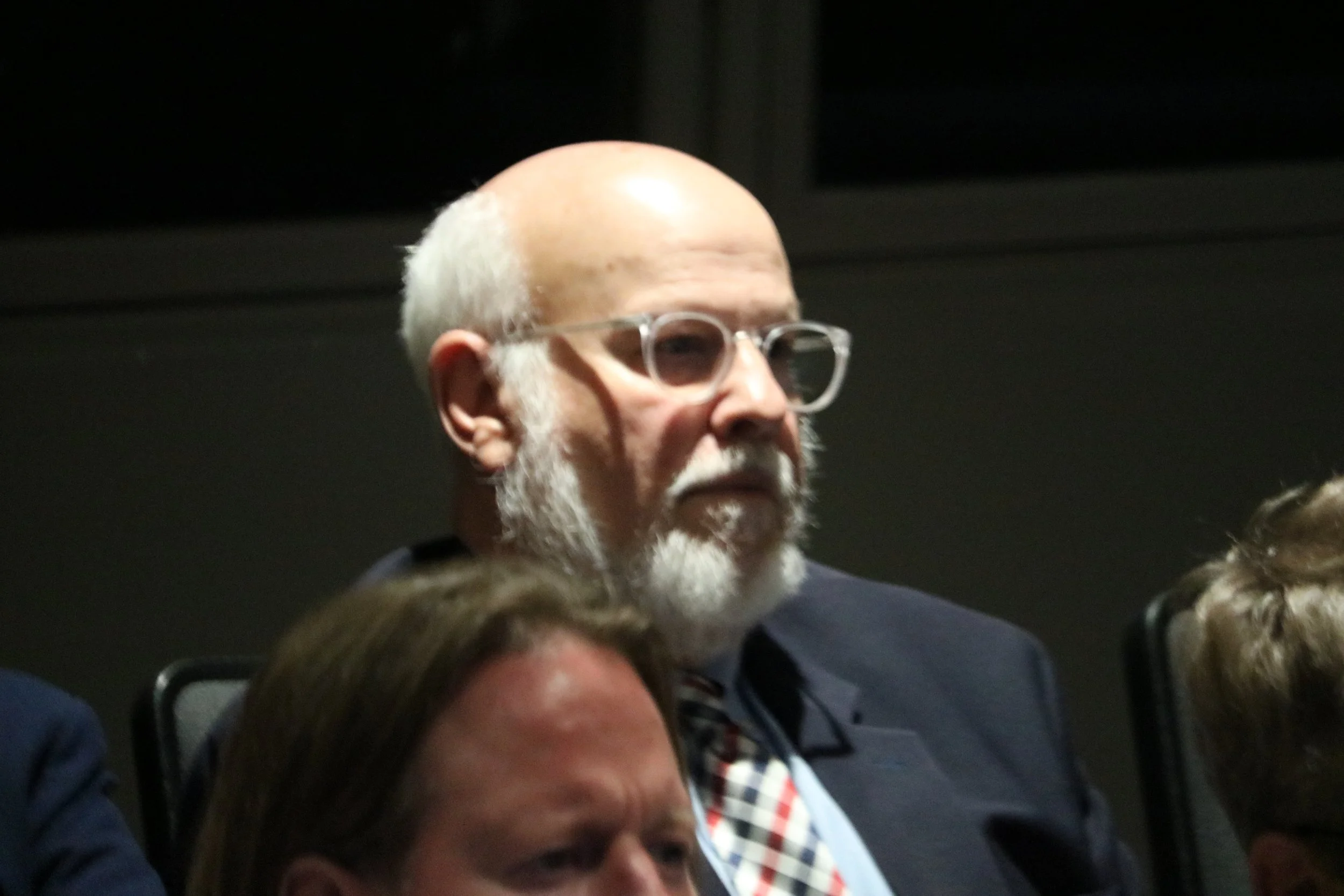
The Overby Center auditorium was filled to overflowing with an attendance of more than 200. There was sustained applause when the film ended.
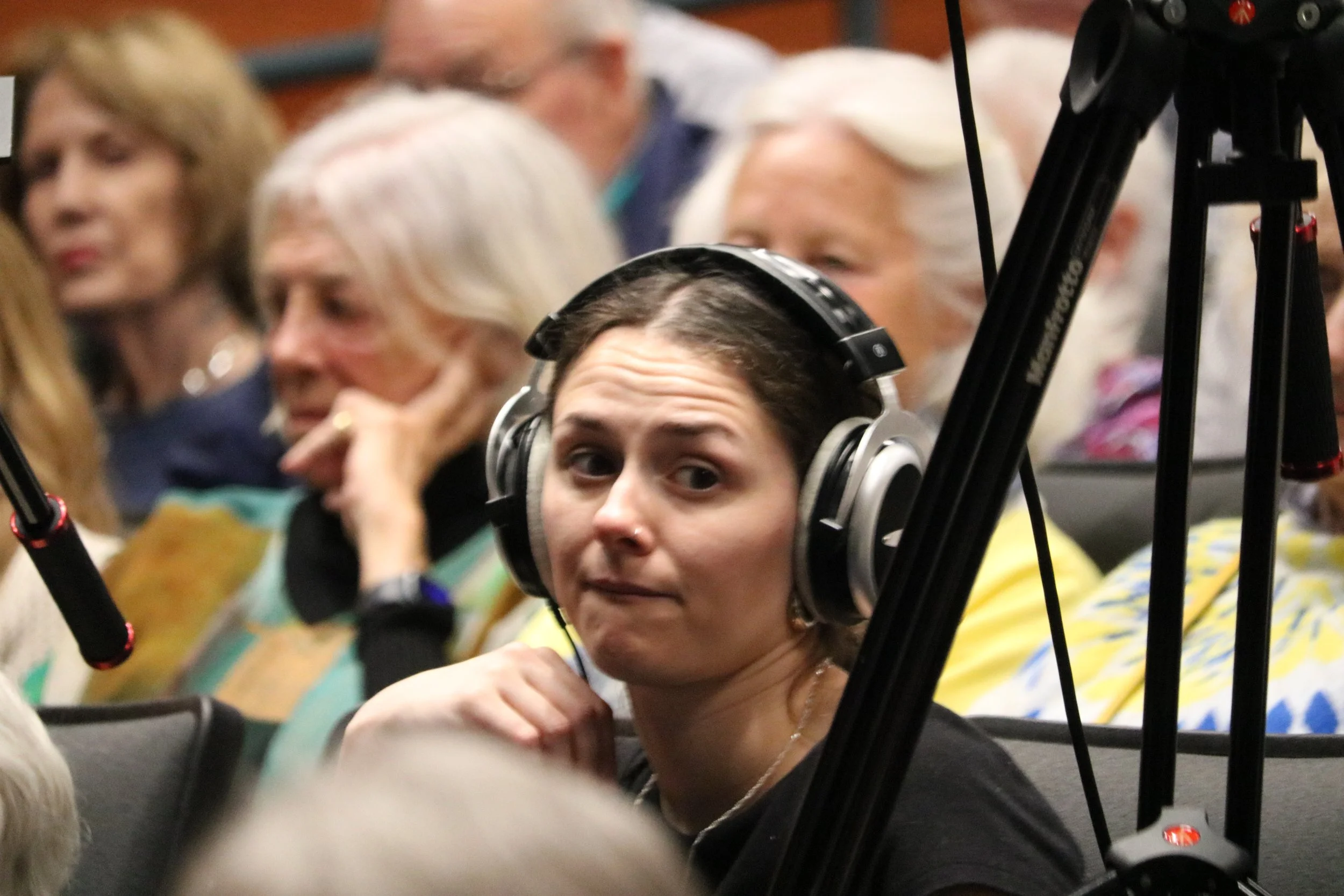
Matthew Graves is editor of the film, and Claire Shelmire Crews is director of photography. The version shown in the Overby Center program ran for 115 minutes. The final version of the film will run for approximately 57 minutes. The film is supported in part by the Mississippi Humanities Council under a grant from the National Endowment for the Humanities.
——————————————————————————
Emily O’Reilly is a graduate of the University of Mississippi School of Journalism and New Media and an assistant in the Overby Center.
