If you would like to listen to the audio of the Great Conversations luncheon with Dean Slabach, you can listen below.
Left to right: Former Chancellor Robert Khayat, Dean Fred Slabach, and former Sen. Trent Lott attended the Great Conversations luncheon. Dean Slabach was the guest speaker.
Read More:
A federal district judge issued a preliminary injunction on Tuesday, Oct. 13, ordering President Donald Trump’s administration to restore White House press passes to reporters from CNN, MS NOW and Politico as the outlets challenge Trump’s decision to ban them from the building and its grounds. First Amendment Specialist Alex Morey and Katie Bernard, a rapid response writer, analyzes the lawsuit and the First Amendment implications.
Robert F. Darden, a professor emeritus in Journalism at Baylor University and a member of the Overby Center panel of experts, writes about the songs of America’s unknown enslaved poets and how they speak powerfully to us today.
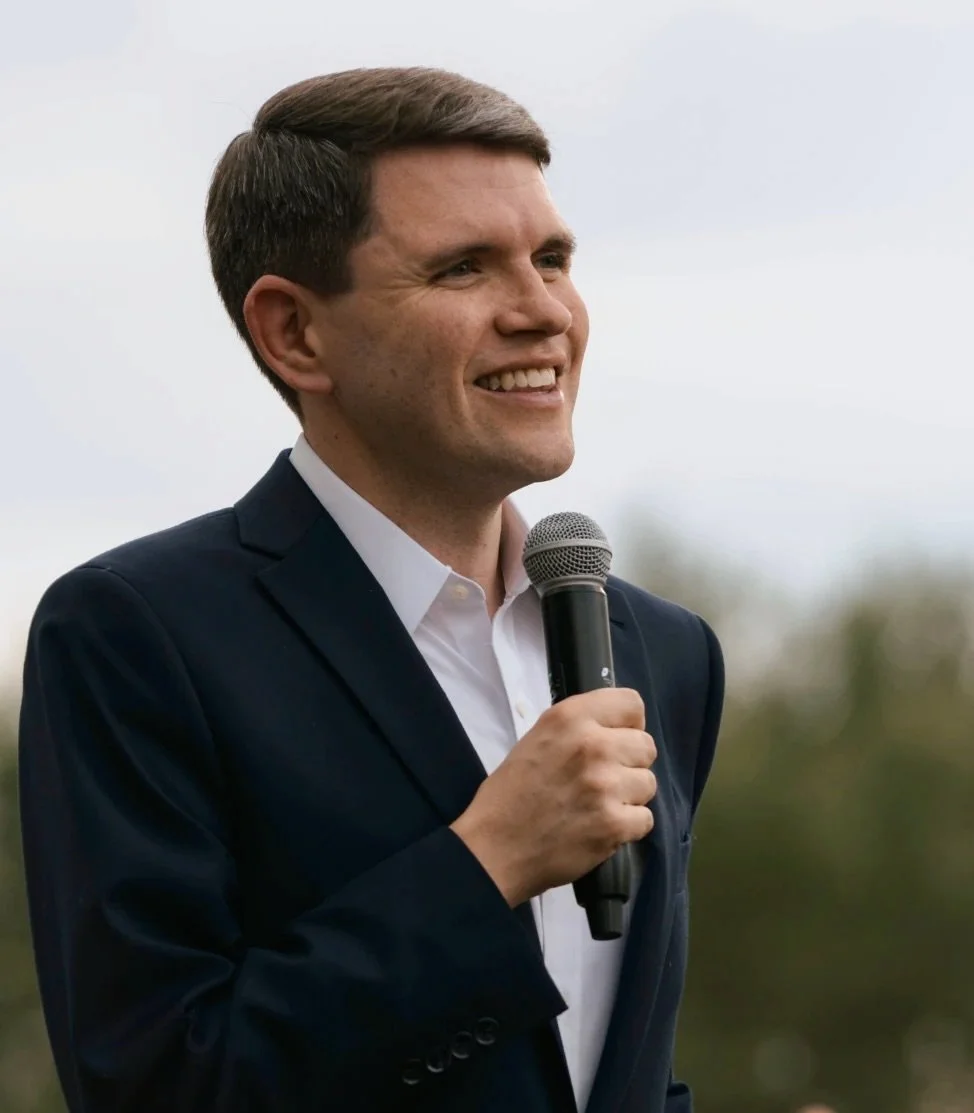
Tony Pederson, managing fellow of the Overby Center for Southern Journalism and Politics and professor emeritus in journalism at Southern Methodist University in Dallas, writes about the Senate race in Texas between Texas Attorney General Ken Paxton and Democratic challenger James Talarico, a member of the Texas House of Representatives and former student at Austin Presbyterian Theological Seminary. With Trump’s endorsement and full MAGA support on the line, it would be a Catch-22 if Talarico were to win and give Democrats the majority in the Senate.
Evan Ringel, an assistant professor of media law at Appalachian State University in Boone, N.C. and a member of the Overby Center panel of experts, discusses the First Amendment implications in the landmark multistate settlement. The settlement was to resolve claims that the company had endangered teens by intentionally creating and implementing addictive design features. Ringel writes that the First Amendment places significant limits on direct government regulation of online expression.
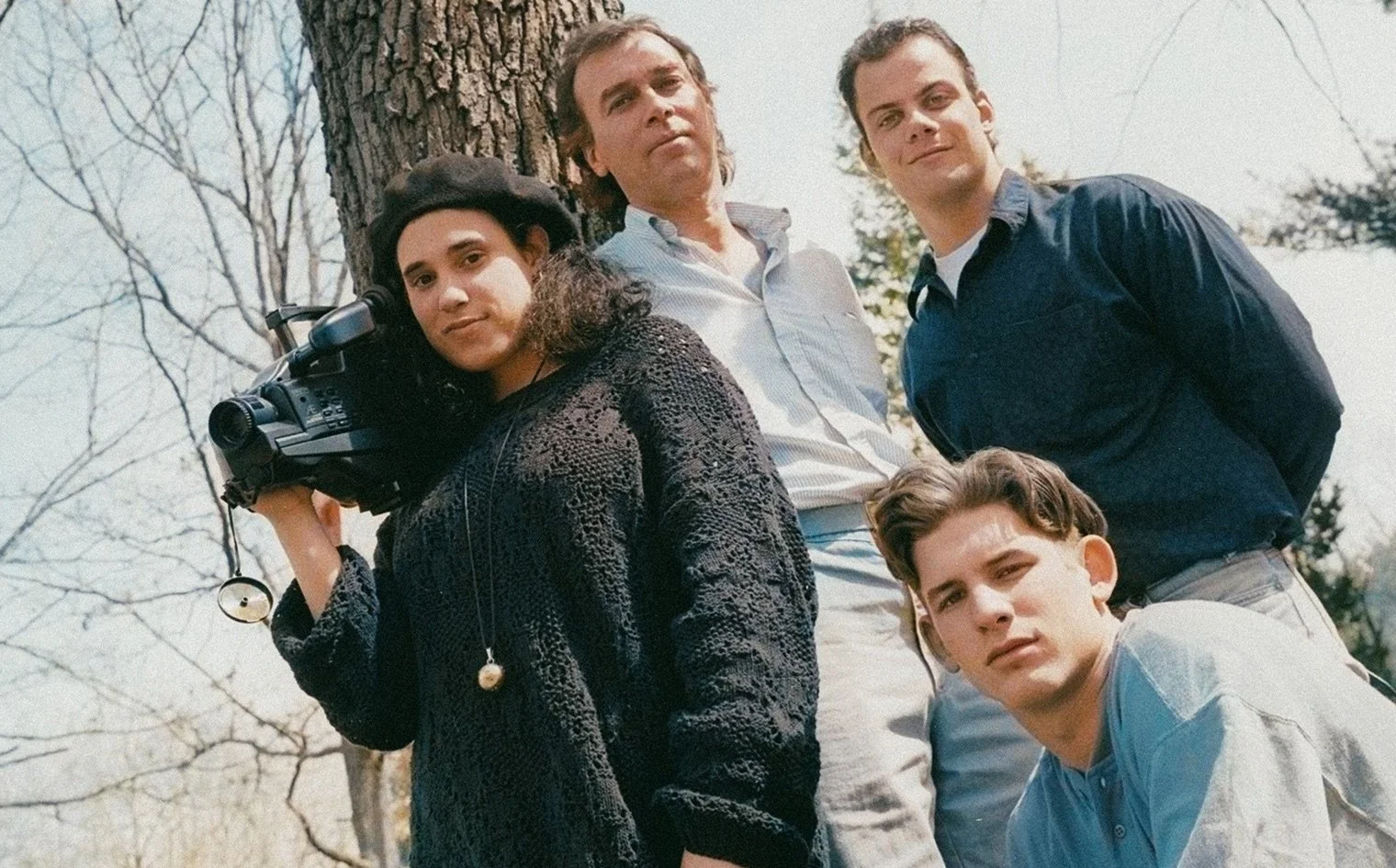
R.J. Morgan, an instructional associate professor in the School of Journalism and New Media at the University of Mississippi and director of the Mississippi Scholastic Press Association, discusses the film “Teenage Wasteland” and the importance of high school journalism. In the early 1990s in Middletown, N.Y., a group of high school students thrown into an “Electronic English” class shot and edited a documentary film “Garbage, Gangsters and Greed” about the insidious nature of their local landfills. Now, 30 years later, a new documentary currently streaming on Netflix called “Teenage Wasteland” interviews the now-adult students from Middletown and recounts their tale.