
Freedom Forum survey’s mixed sentiment on First Amendment explored at Overby program
By Emily O'Reilly
Press the play button to see the full video of the program.
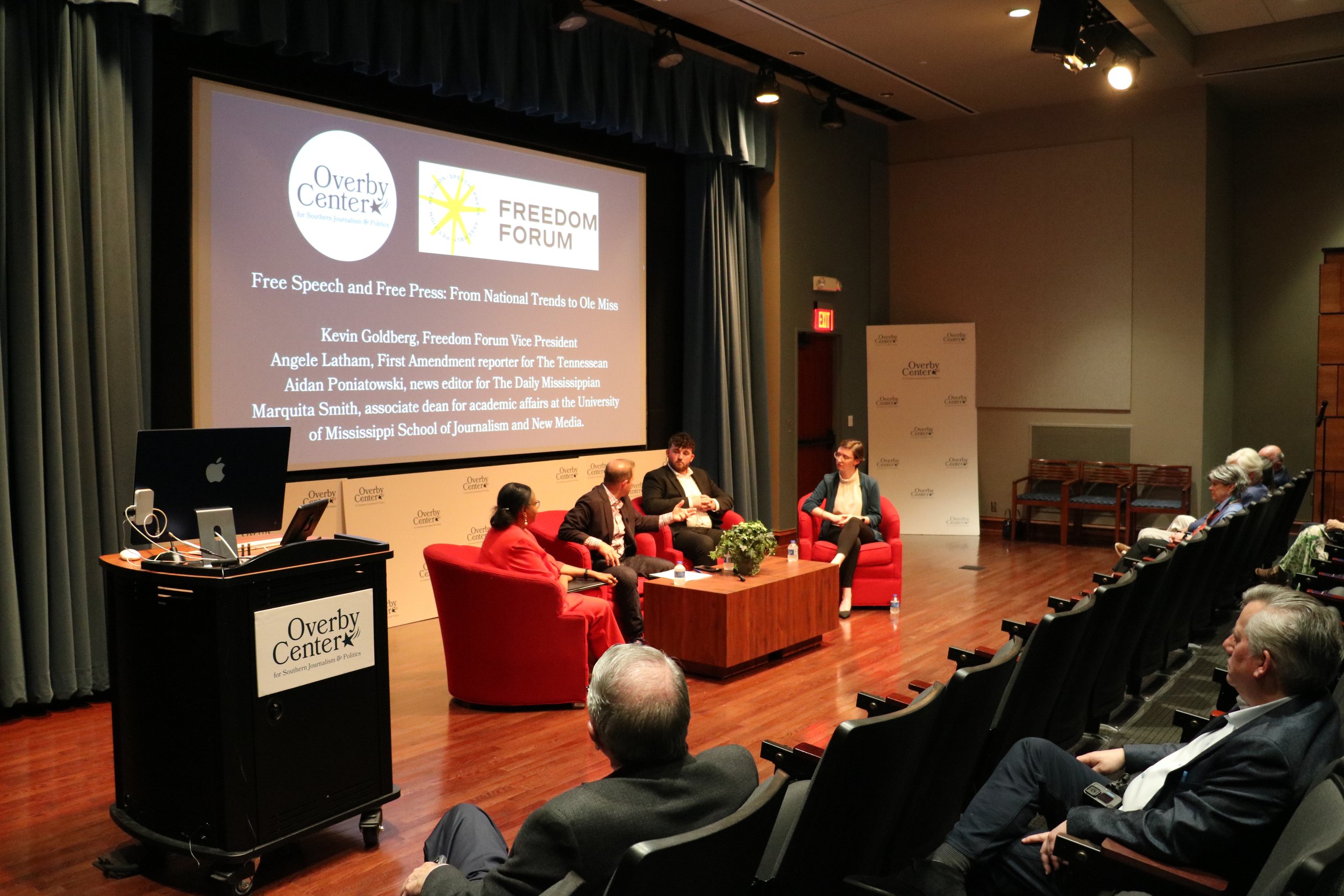
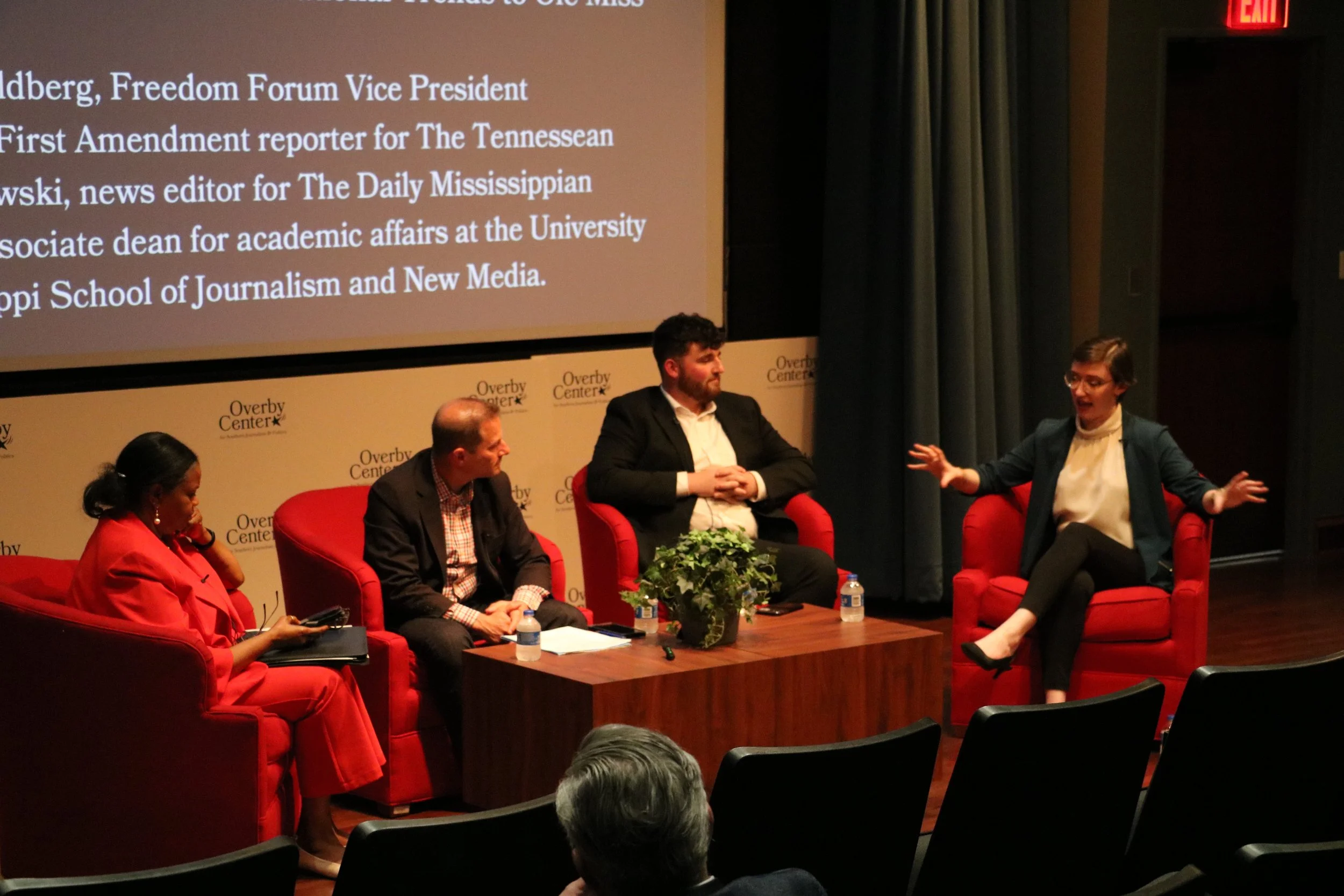
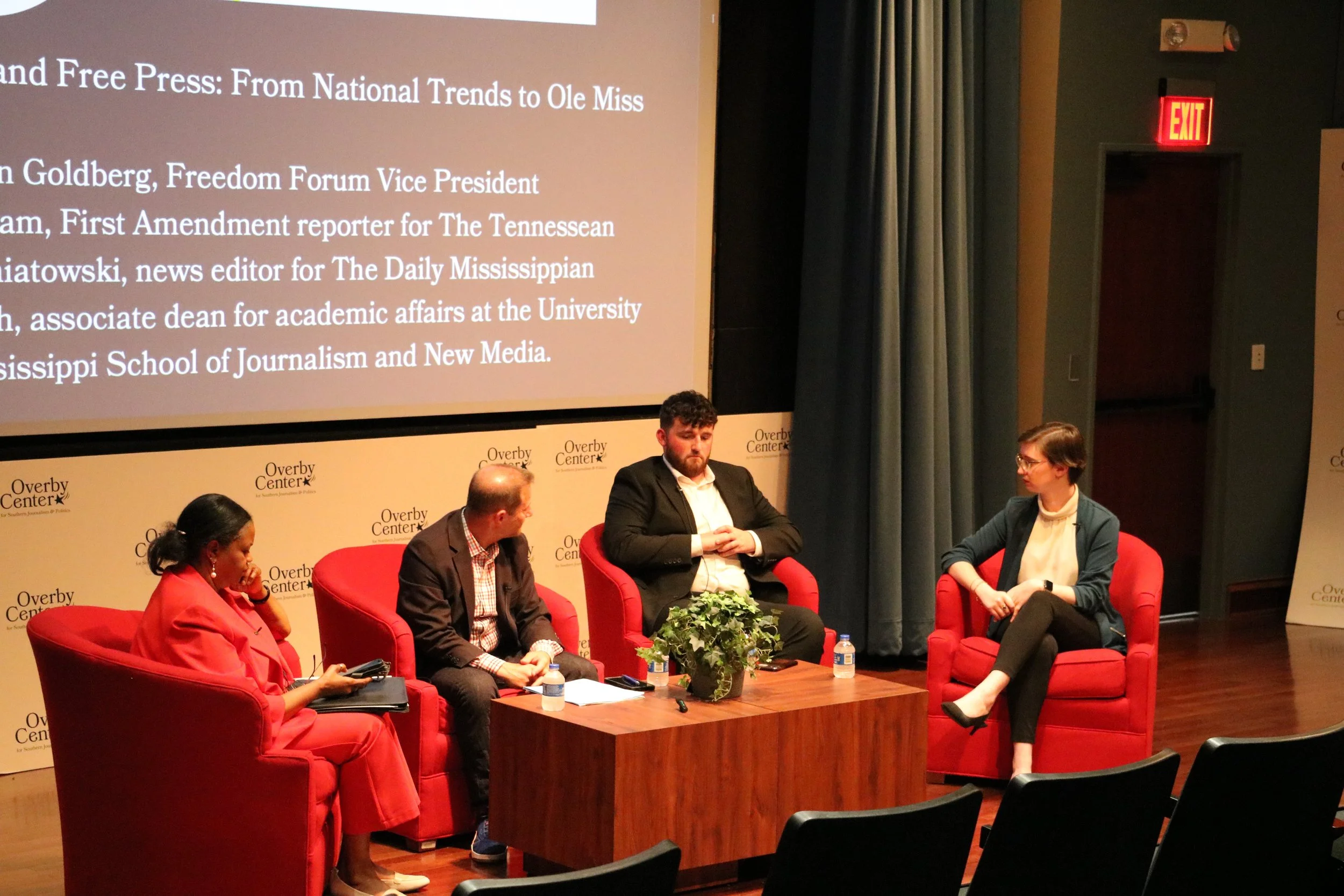
The Freedom Forum's annual survey "Where America Stands," regarding awareness, understanding and support of the First Amendment, was the subject of a panel discussion at the Overby Center for Southern Journalism and Politics on April 29 The latest survey showed that while admiration for the First Amendment is widespread, understanding of its five freedoms is uneven.
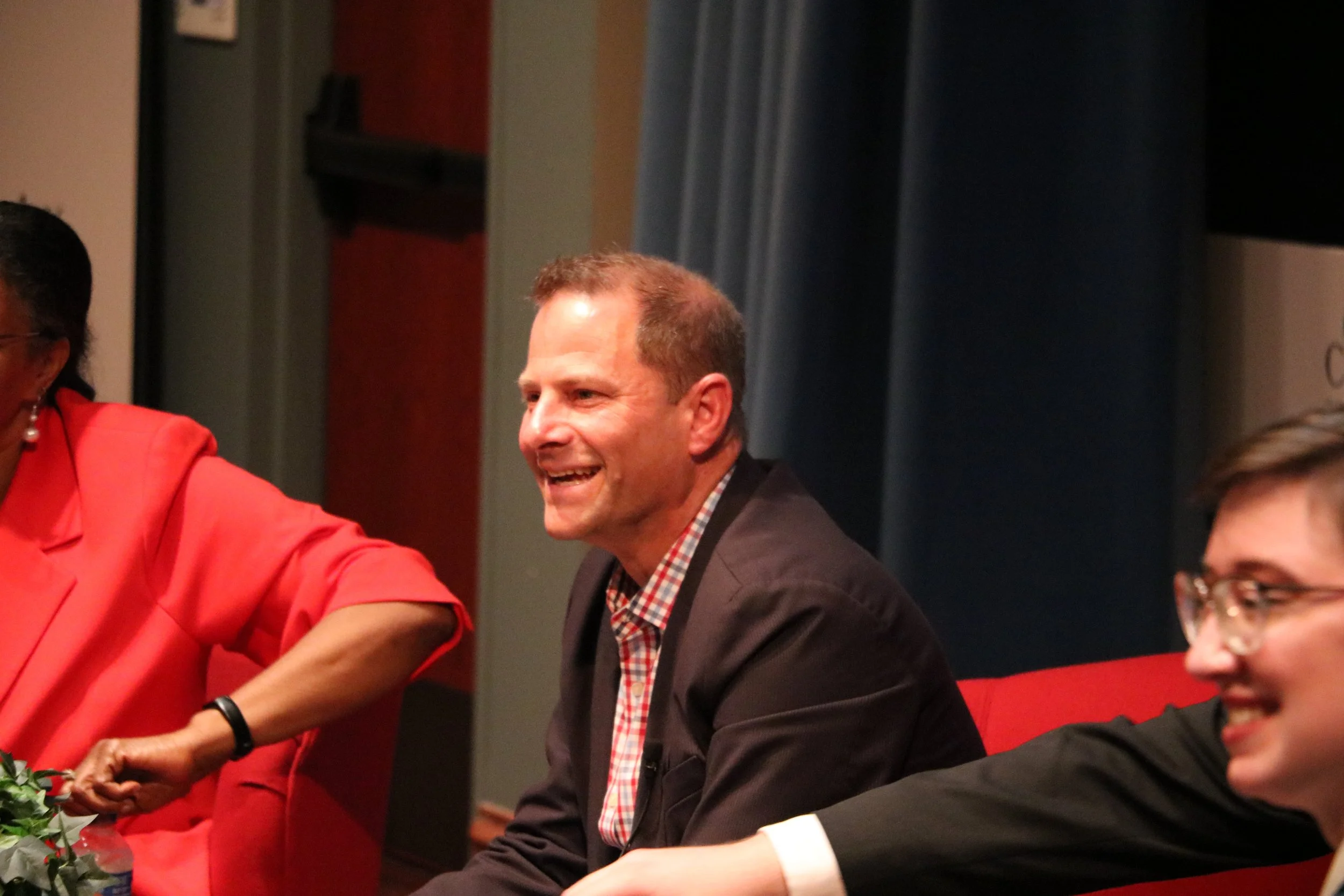
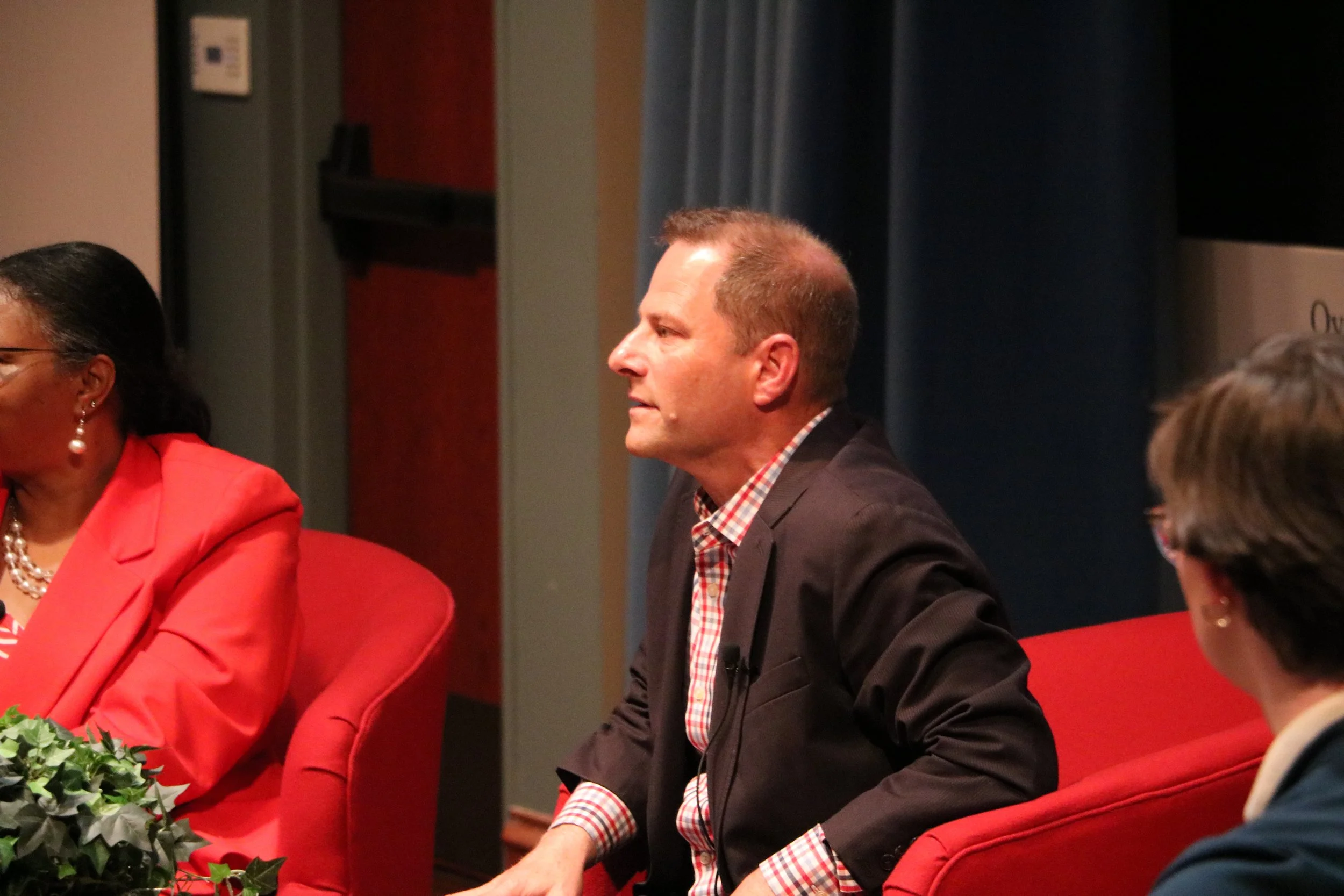
Kevin Goldberg, vice president of the Freedom Forum and a First Amendment expert and moderator of the program, said that 95% of Americans have heard about the First Amendment but only 10% can name all five freedoms that are in the First Amendment, and 25% of Americans cannot name one freedom without prompting.
The program, “Free Speech and Free Press: From National Trends to Ole Miss,” examined public awareness and support for First Amendment freedoms with a particular eye on how speech is viewed on college campuses..
Goldberg said that 82% of Gen Z respondents to the survey said they are afraid to speak freely. "The number one reason, they were afraid of their words being responded to by violence,” Goldberg said. “That is extremely troubling that they fear more than losing a job, more than social shunning that they fear actual violent response to their words. So we're really working to empower people to use their words and empower people to have conversations, not just respond to violence. We see that on campus, a lot has changed over the last few years."
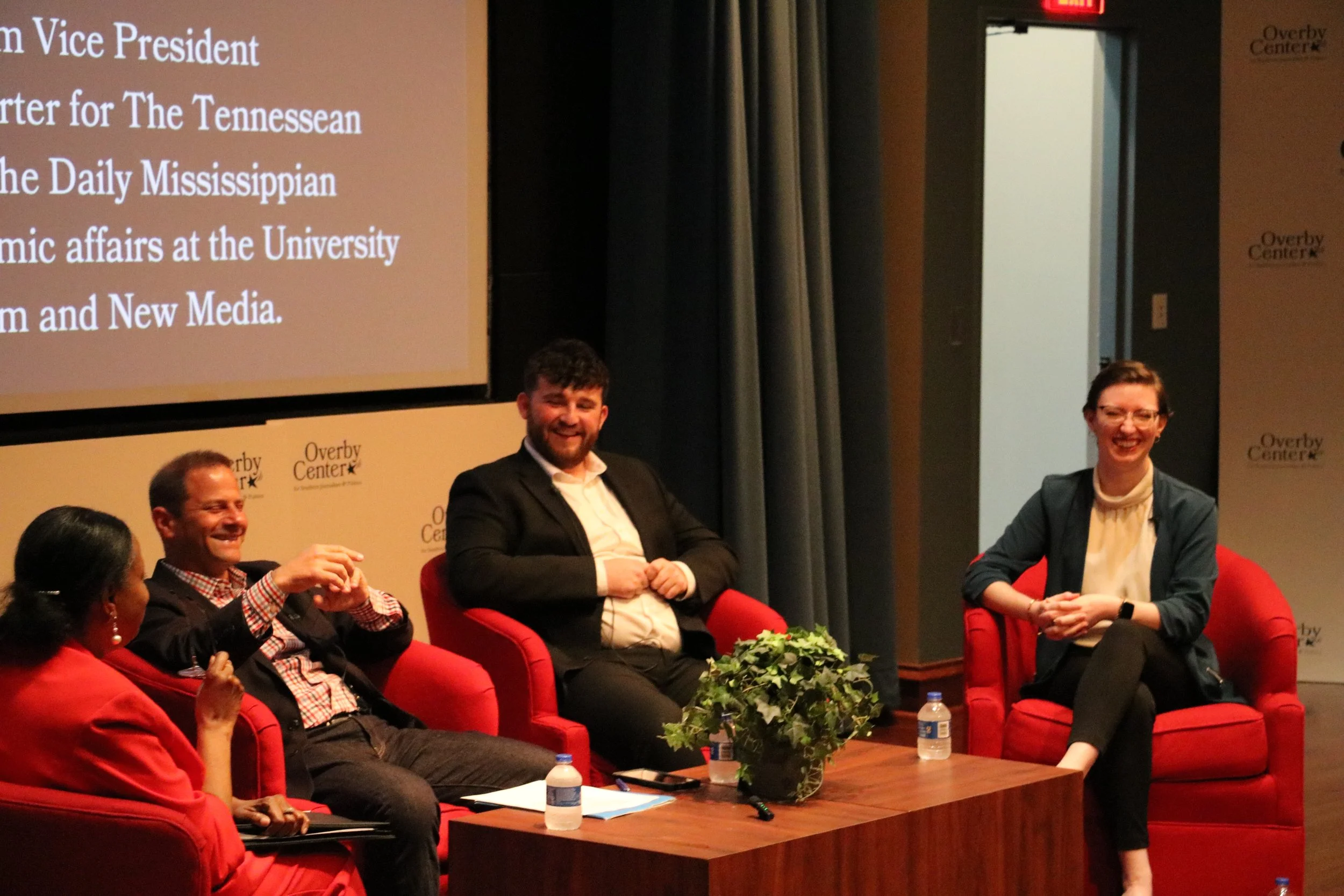
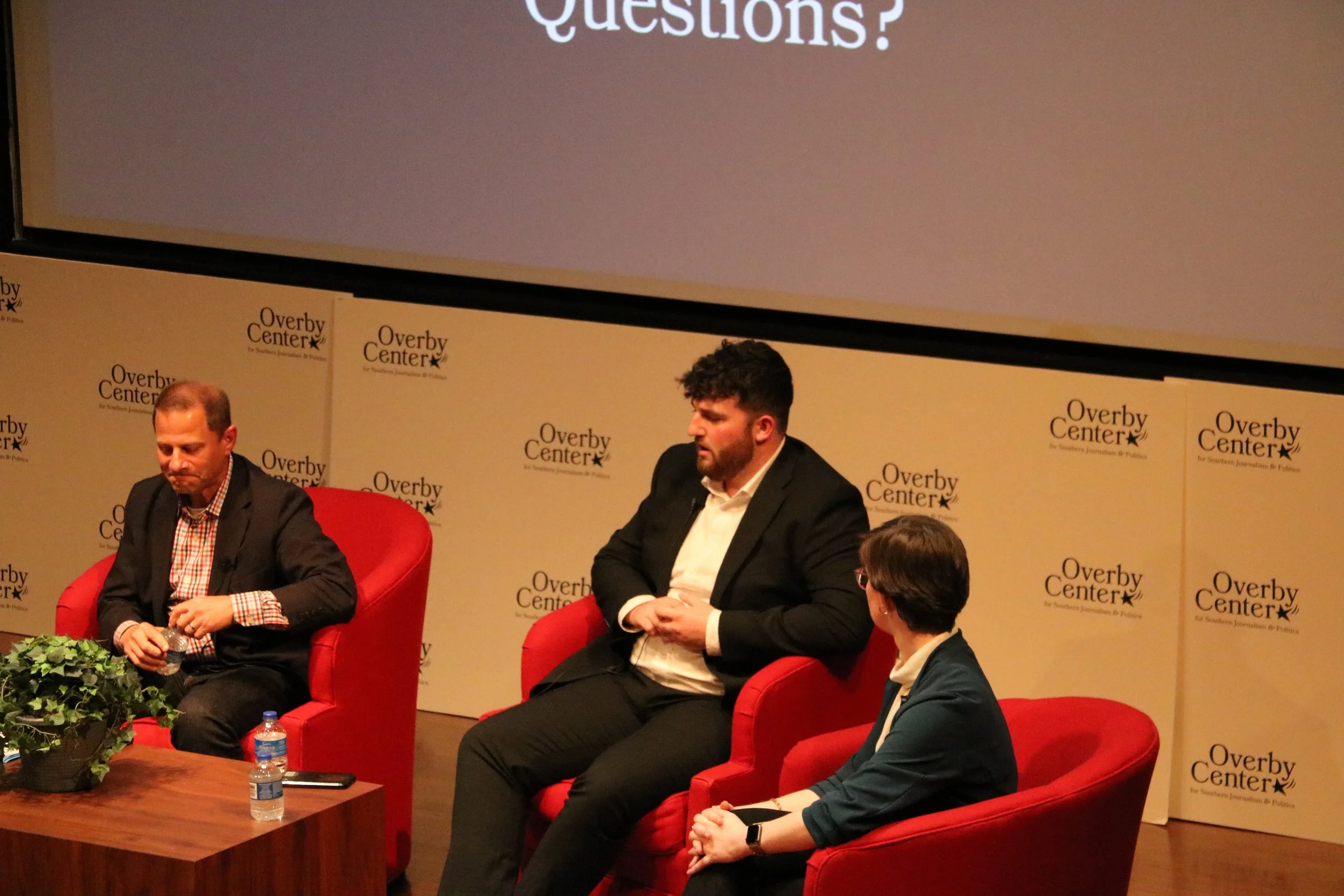
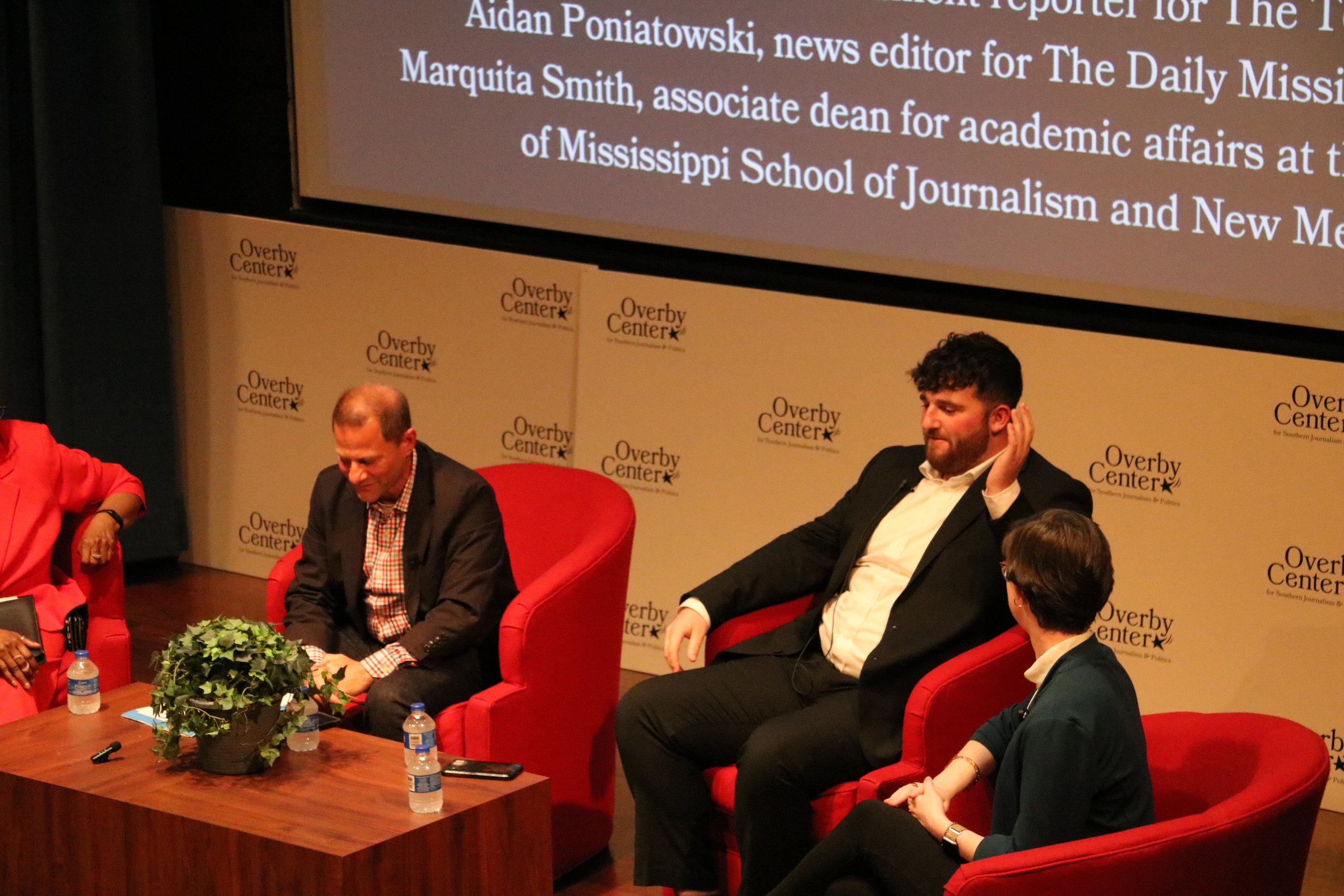
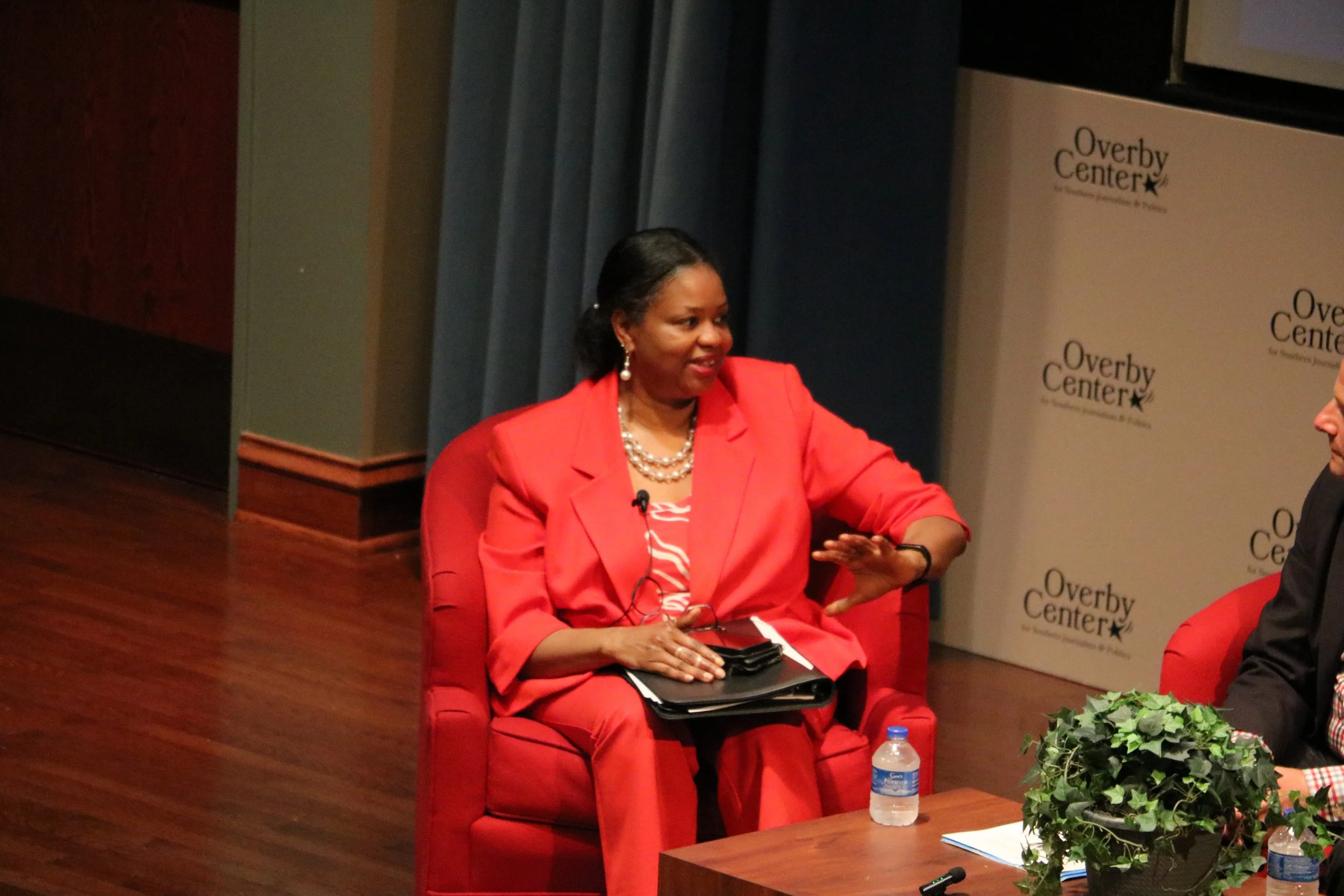
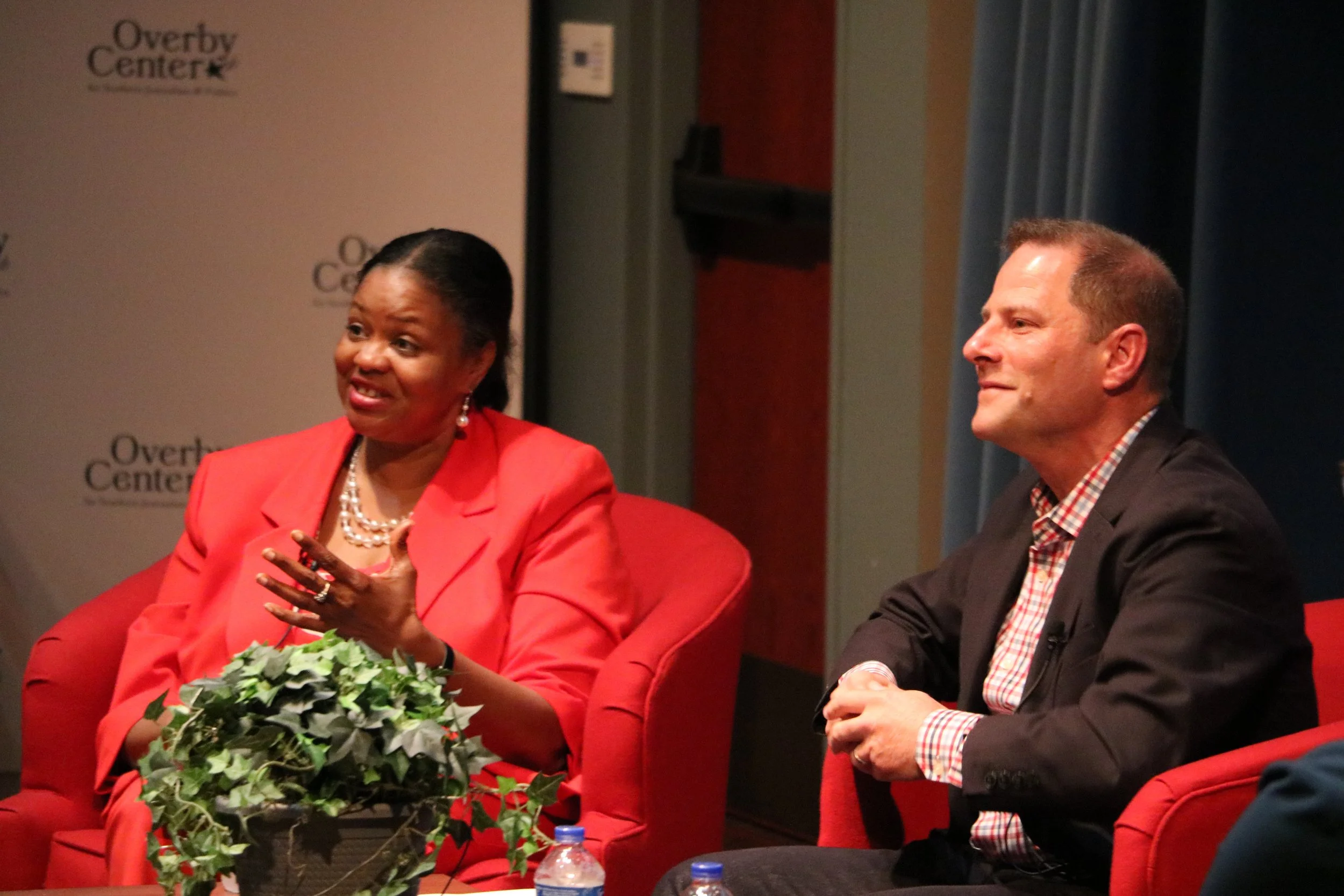
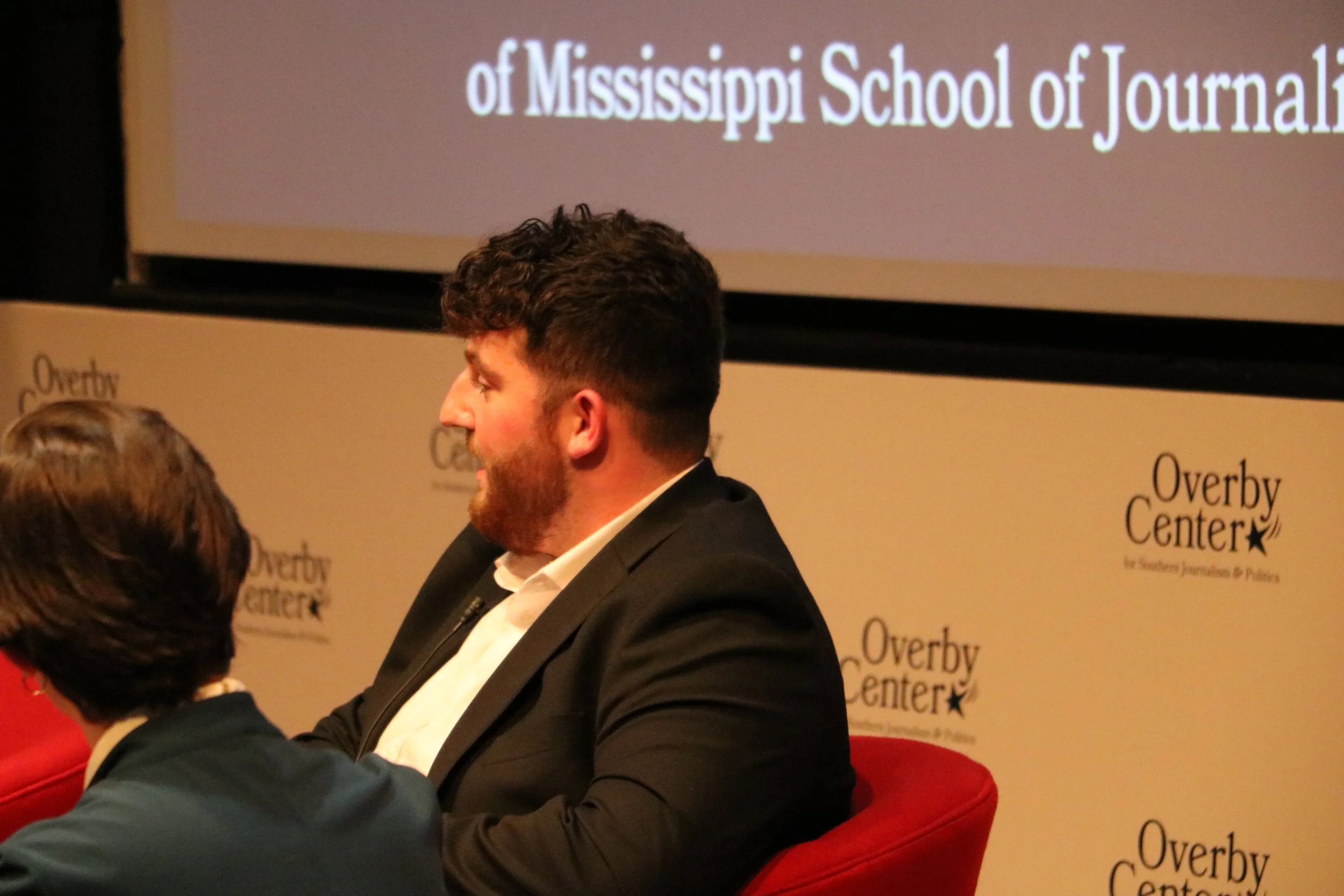
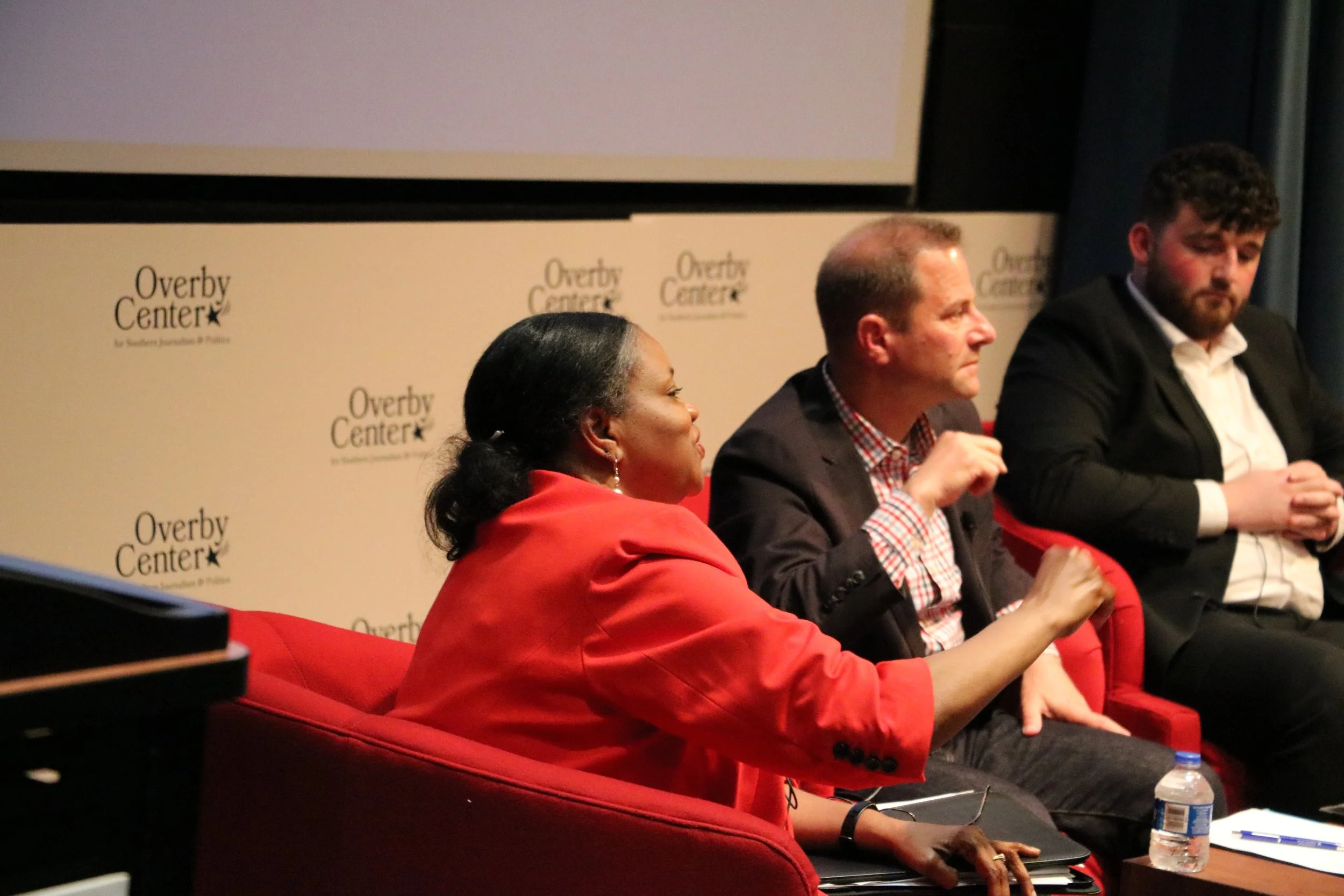
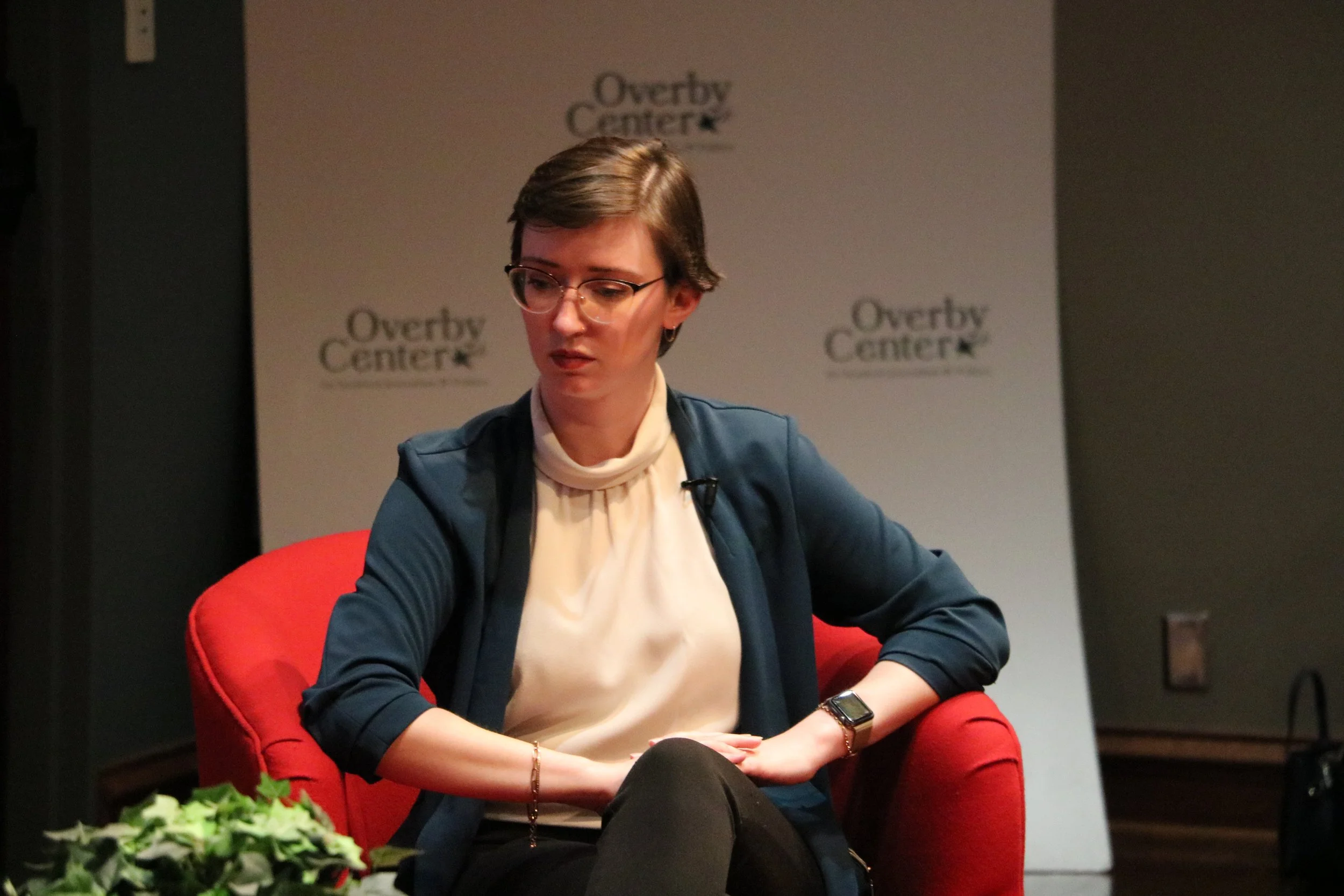
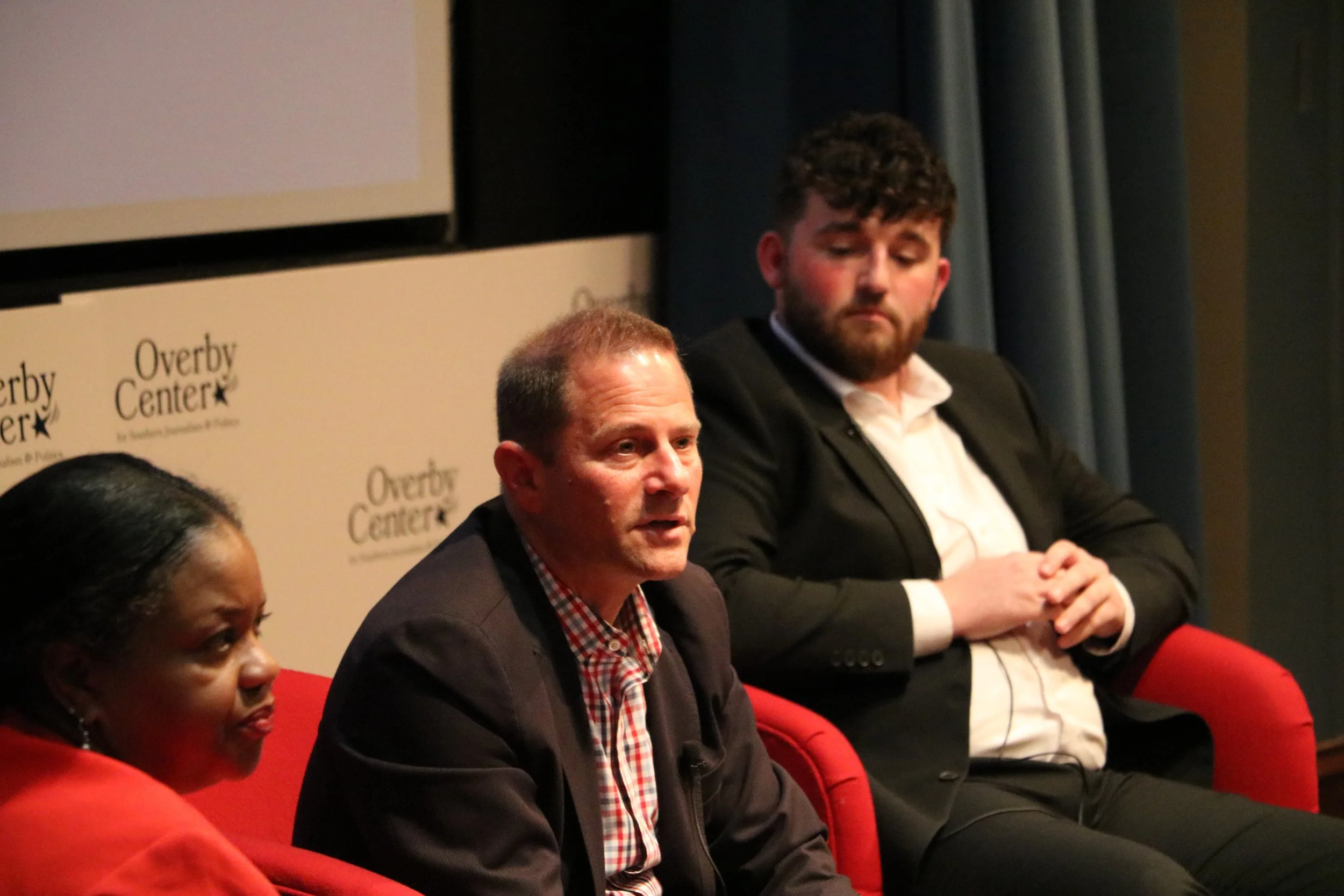
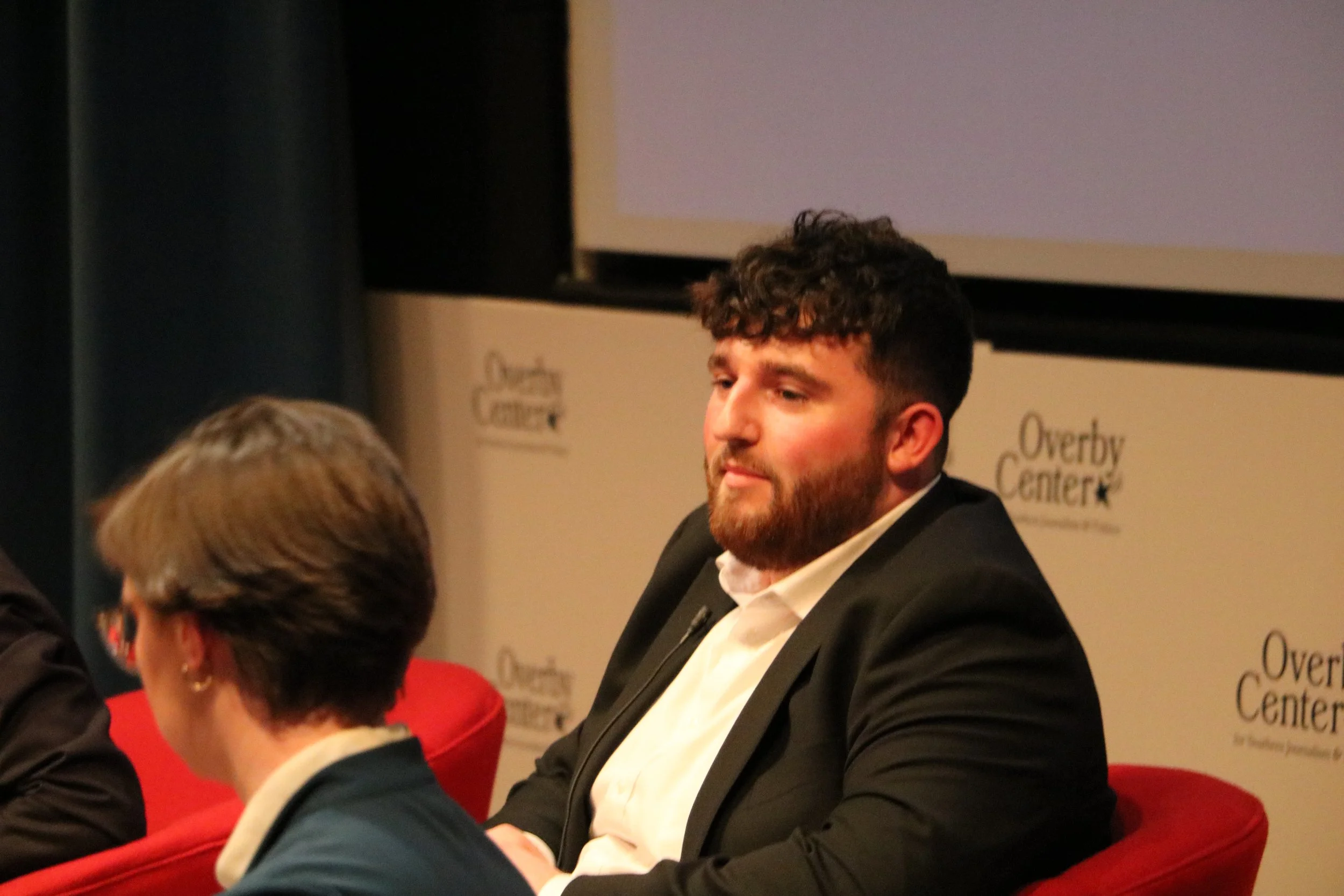
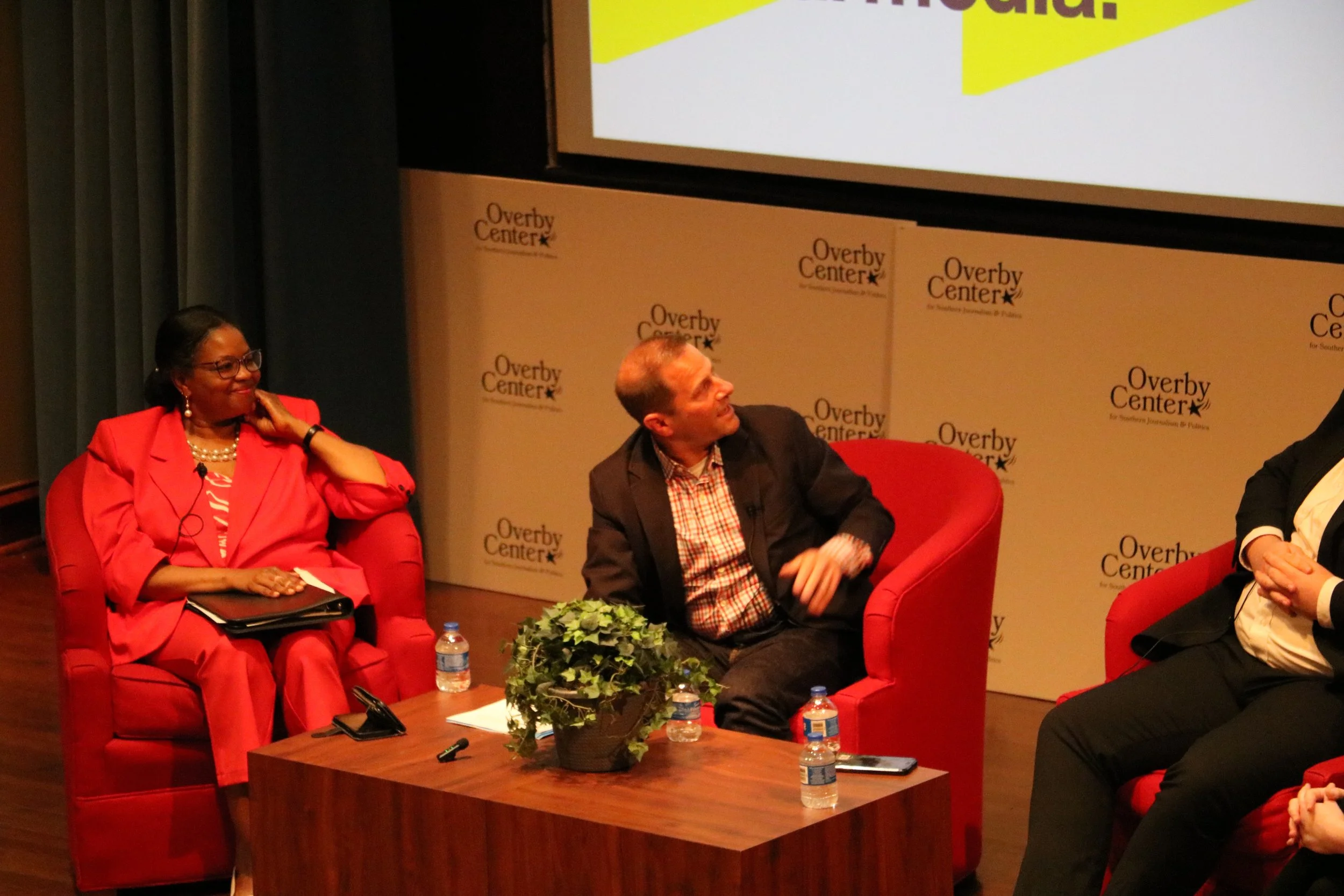
The three panelists for the program were Angele Latham, First Amendment reporter for The Tennessean in Nashville, Aidan Poniatowski, an Ole Miss student in the Honors College and news editor for The Daily Mississippian, and Marquita Smith, associate dean for academic affairs at the University of Mississippi School of Journalism and New Media.
Goldberg is a frequent presenter and moderator at conferences and has appeared on major news outlets regarding First Amendment issues. Before joining the Freedom Forum, Goldberg spent 25 years in private practice at two law firms specializing in First Amendment law and issues relating to freedom of information.
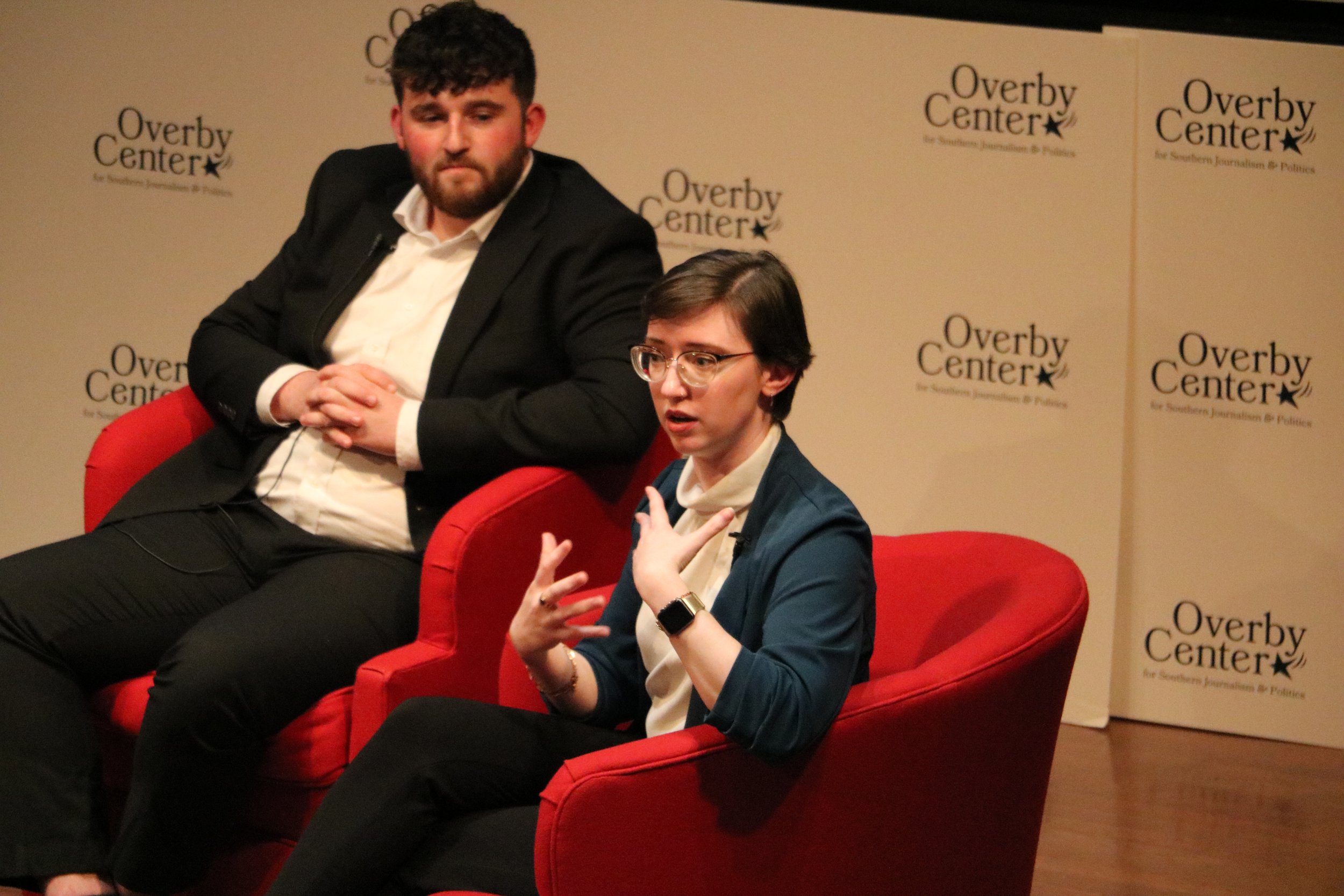
Latham is the nation's first reporter covering the First Amendment and stories focused on the five freedoms in the First Amendment. She has covered stories about our most intrinsic rights ranging from protests, book bans and religion to drag, free expression, public records and more. She is a graduate of Middle Tennessee State University. Her work is supported by the Freedom Forum and the Journalism Funding Partners.
Latham said that when she is interviewing people she sees a positive view of the First Amendment.
"People on both sides of the issue, no matter how entrenched they are, they're like, no, this is my First Amendment right," Latham said. "And so we overall see a very positive view on the First Amendment. But as soon as you get into the issues that people care about, the tone is, like, on what they think the government actually does. And my point tries to slice right in the middle there. Whether people appreciate that or not is a dice roll on it. But people definitely love the First Amendment."
Poniatowski, from Oswego, Ill., is majoring in International Studies and Arabic. His interests include Middle Eastern/North African affairs, international governance and politics, international relations, and reporting relating to the Middle Eastern/North African region.
Poniatowski said that he sees various reactions from confidence to fear of speaking freely on campus on some issues. He mentioned the Turning Point USA event last year after Charlie Kirk was assassinated in September and the firing of an Ole Miss staff member for sharing views on Kirk.
"You do have some folks who are nervous to share their true thoughts," Poniatowski said. "I think you do see some fear of violence for speaking up freely, considering that example. But I also think you have students who respond oppositely who have this newfound appreciation for this freedom guaranteed in speech and assembly, in protest. I do think that you have students who have grown in their confidence, who feel that they should be able to speak about what they believe."
Latham said that community members often are afraid to talk to reporters, especially regarding immigration stories, because of the real-life consequences.
"They don't want to identify themselves,” Latham said. “And we've crossed over this weird boundary as reporters where I find myself offering more and more to let people have a pseudonym and that's not been the case before. But now, working as journalists, there are so many stories that have very real-life consequences for people who are brave enough to talk to us. So we offer them the chance to have a pseudonym. It is rare, but it's becoming more frequent."
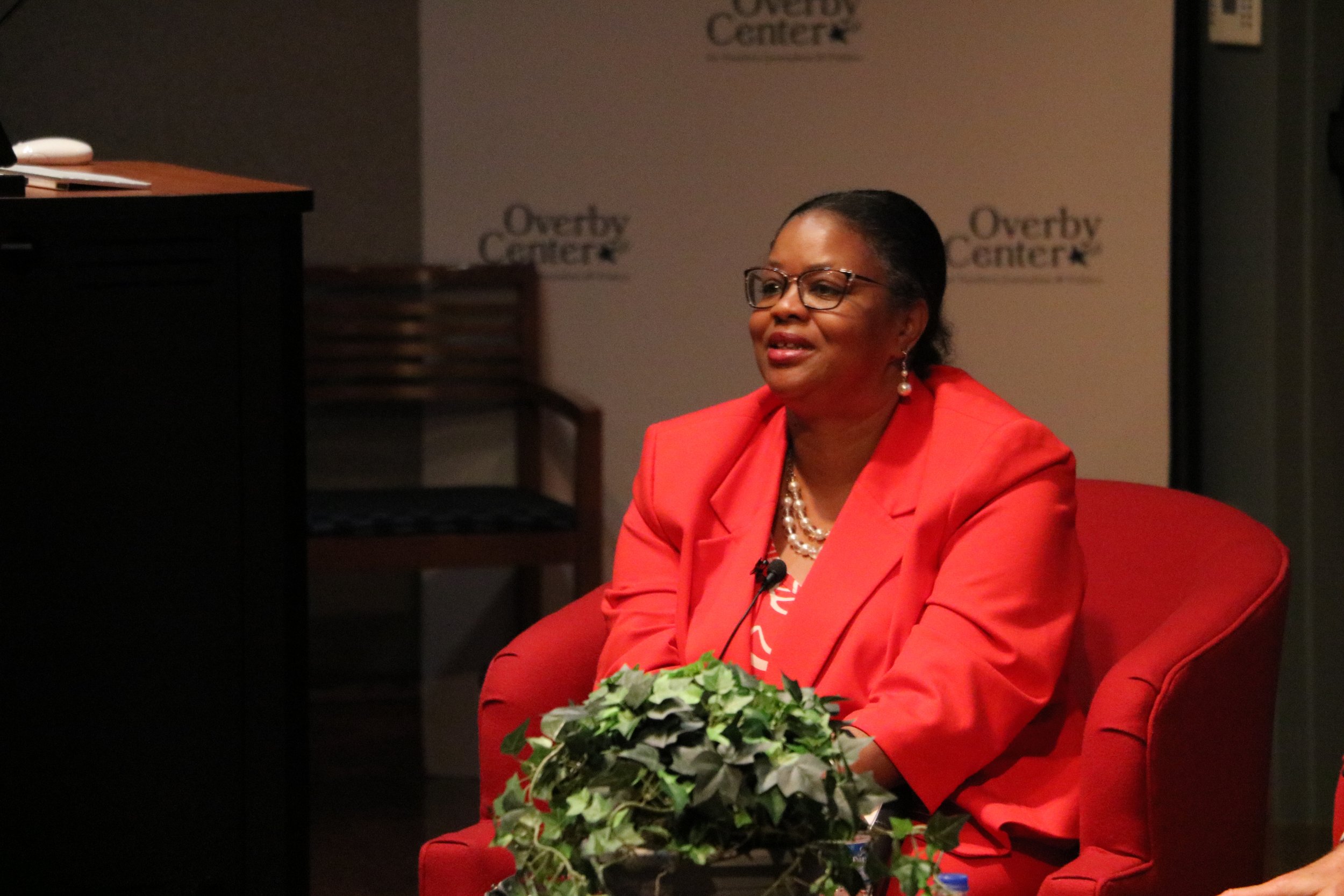
A former Fulbright Scholar and Knight International Journalism Fellow, Smith has lived and worked extensively in Ghana and Liberia, contributing to international journalism education and media development. Before her career in higher education, Smith spent 16 years as an award-winning journalist. Her last newsroom role was as Virginia Beach bureau chief at The Virginian-Pilot.
Smith discussed the complicated issues currently on college campuses regarding academic freedom for faculty.
"When you get to the juxtaposition between First Amendment rights and academic freedom, and how that line is threaded, it becomes more complicated," Smith said. “People are seeking us out and having conversations about what this means for academic freedom. And so you can't deny that all over the country right now, there are state legislators that are telling higher ed institutions what it is that you should teach, you cannot teach, how to teach it, how to speak it.
"And that's becoming also concerning. How do they engage with both sides of that First Amendment right in terms of yes, you have a free press, but not for a public institution that says I'm an employee and no, you really don't have free speech, right? And that's what we're starting to see in the legislation. That's what's being tested. And I think that is also what is so frightening about the current climate that we find ourselves in."
Last year, Mississippi Gov. Tate Reeves signed House Bill 1193 into law. The bill prohibited diversity, equity and inclusion (DEI) programs and the teachings of them in public schools and public post-secondary educational institutions. Poniatowski said that one response to the bill has been confusion.
"There was a lot of confusion because it was never formally defined what qualifies as DEI," Poniatowski said. "And so you did have a lot of educators who were very confused. They were uncertain about how to proceed with some of their curriculum as a result of it. You definitely had some students who thought this was a good thing because this shouldn't be taught in our schools. You know, this is a waste. And then on the other side, you had similar perceptions where cracking down on this, maybe it's a waste of time."
Smith noted the confusion faculty faced regarding HB 1193 and how other states have passed similar laws.
"The House Bill 1193 was so vague and confusing that it was difficult," Smith said. "So if you're researching and you're using the language that you use within the scope of your expertise and the work that you teach, under that bill in the state of Mississippi you will be in good standing. However in Texas, you will not be in good standing because they have a more formal review process to how they're evaluating what can be said and what can appear in the syllabus. So we really have to see what's happening from state to state."
Smith said that there is a migration of faculty leaving states with laws like HB 1193 because of the restraints of academic freedom.
"We see articles in The Chronicle (of Higher Education) and other places that are talking about the migration of faculty leaving from red states because this is too much stress. They're going to places where they can teach, where they feel like they have a whole breadth of academic freedom.”
The Overby Center was founded in 2007 with a $5 million grant from the Freedom Forum. Al Neuharth (1924-2013), a lifelong journalist and First Amendment advocate, founded the Freedom Forum, a nonpartisan foundation that champions the First Amendment as a cornerstone of democracy, on July 4, 1991. He was also the founder of USA TODAY. The Overby Center continues as an affiliate of the Freedom Forum with a strong emphasis on the First Amendment.
——————————————————————————
Emily O’Reilly is a graduate of the University of Mississippi School of Journalism and New Media and an assistant in the Overby Center.