
Dems may produce the ultimate Catch-22 for Trump if Talarico wins Texas
By Tony Pederson
In Joseph Heller’s classic novel “Catch-22,” there is an early mention of a Texan who sets the tone for the absurdist nature of the narrative. “The Texan turned out to be good-natured, generous and likeable,” Heller wrote. “In three days no one could stand him.”
The Texan turned out to be too much of everything. Such is the nature of the current U.S. Senate race in Texas. It is as bitter, expensive, and nasty as predicted. But it might also turn out to be the most important of several races that will determine which party controls the Senate.
The race pits Texas Attorney General Ken Paxton and Democratic challenger James Talarico, a member of the Texas House of Representatives and former student at Austin Presbyterian Theological Seminary. Democrats have portrayed Paxton, who had impeachment charges brought against him in the Texas House in 2023, as the most corrupt politician in Texas history. Charges of infidelity were part of the impeachment proceedings, and Paxton is currently in a messy divorce with Angela Paxton, a state senator who cited “biblical grounds” in her divorce petition. Republicans have portrayed Talarico as a typically radical left-wing liberal who supports transgender rights and will help turn Texas into another California.
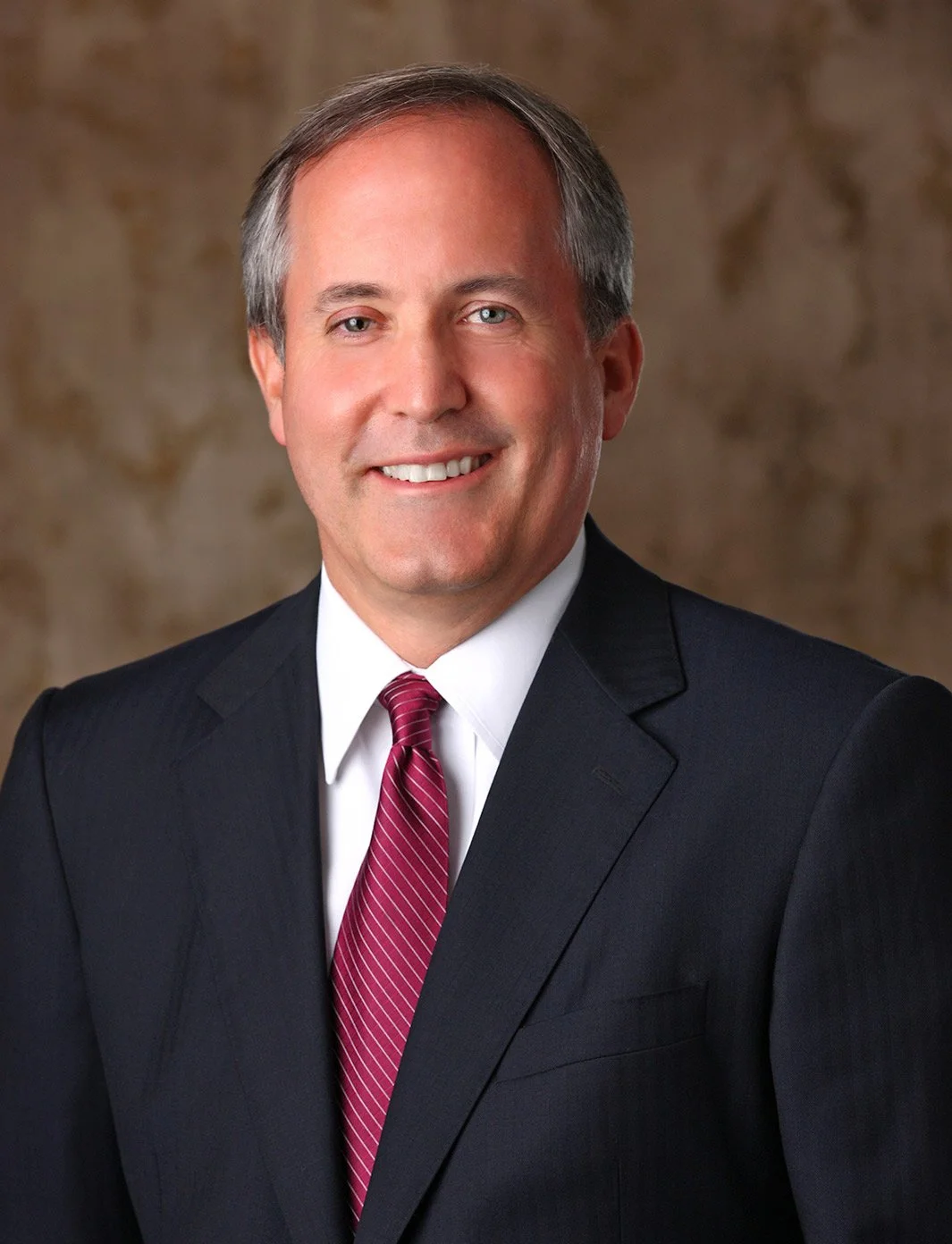
Ken Paxton is Texas attorney general and the GOP nominee for U.S. Senate.
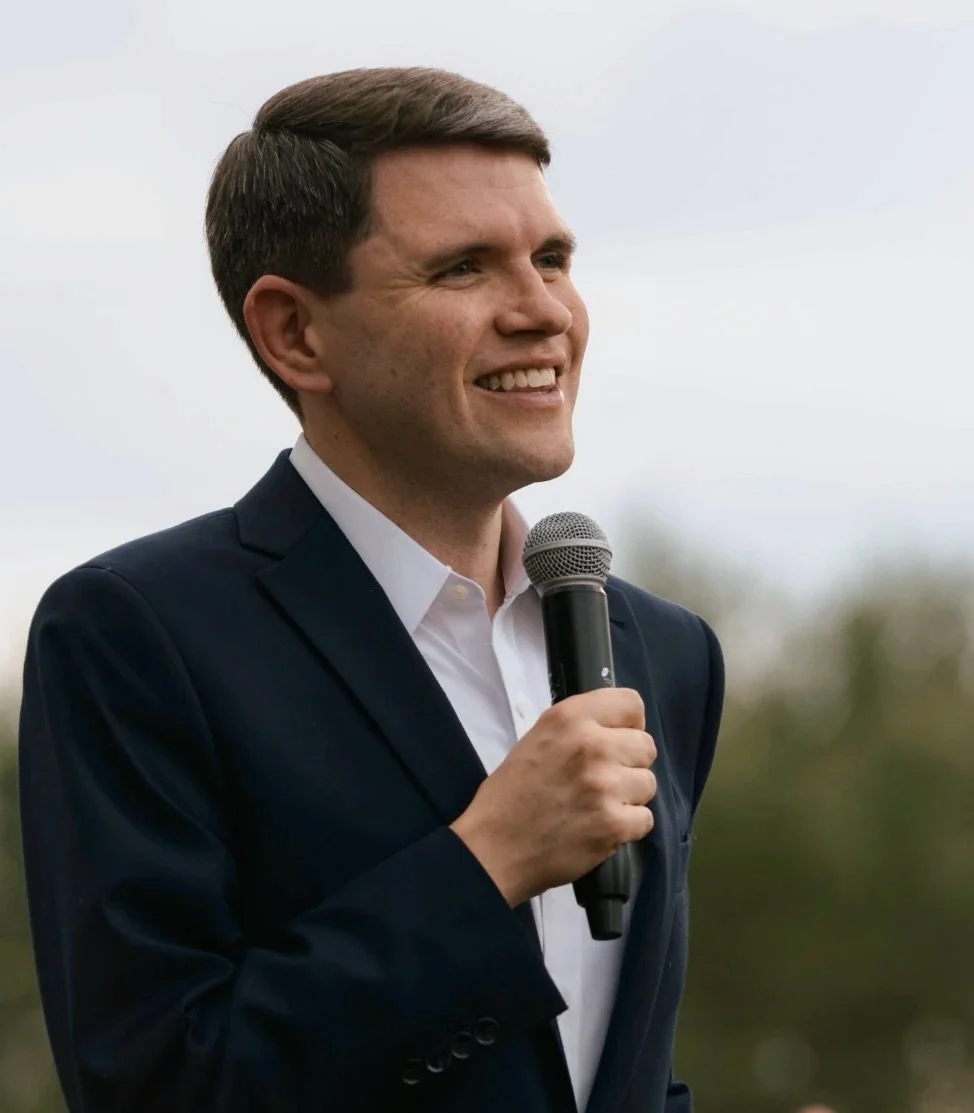
James Talarico is a state representative and Democratic nominee for the U.S. Senate.
Last week, just three weeks before the midterm elections on Nov. 3, the Real Clear Politics average on polling in the race had Talarico with a 3.1% lead. That in and of itself is extraordinary in a state that in the last 30 years has been among the deepest red of the red states. But various factors, including Paxton’s reputation and President Trump’s late endorsement of him right before the GOP primary runoff in May, have Texas in play for a Democrat to win statewide for the first time since 1994. The last Democratic presidential nominee to win Texas was Jimmy Carter in 1976.
With Trump’s endorsement and full MAGA support on the line, it would be a strange twist, and a real Catch-22, if Talarico were to win and give Democrats the majority in the Senate. Karl Rove, former aide to President George W. Bush and a longtime influential Republican adviser, spoke recently at a Texas Tribune Festival event and criticized Paxton as well as Trump’s endorsement of him. “If John Cornyn were the nominee, this race would be over,” Rove said. Cornyn is an establishment Republican first elected to the Senate in 2002. He narrowly was in first place in the March primary but did not win a majority, setting up with runoff with Paxton.
Many mainstream Republicans in Texas and nationally were upset by the endorsement. Cornyn has been a reliable and serious Republican who has promoted the party and been a respected member of the Senate. Had he prevailed in the primary runoff, it is believed that he would have easily defeated Talarico.
Both the House and Senate, currently controlled by Republicans and which have generally been supportive of President Donald Trump’s policies since his election to a second term in 2024, are in play because of the narrow margins by which the GOP has control. Republicans have a 53-47 margin in the Senate. That margin is actually 53 Republicans to 45 Democrats with two independents, Bernie Sanders of Vermont and Angus King of Maine, who caucus with Democrats. Republicans have a 218-214 majority in the House.
As of late last week, Real Clear Politics had the Senate prediction as 46 solid Democratic seats, 45 solid GOP seats and 9 tossup races, Texas among them. The House prediction had Democrats with 226 seats, Republicans with 189 and with 20 tossups.
Texas occupies a particular place of importance in the midterms in November because Trump held an unusual midterm convention in Dallas in September. On the first night of the convention, he told voters to pretend he’s on the ballot, an attempt to boost turnout and more clearly identify with his MAGA base. It was the same meeting where Trump, without consulting anyone in Congress or saying where the money would come from, promised to give $5,000 to every adult in the United States if the GOP won the midterms.
With Trump’s low approval ratings and general dismay over the U.S. economy, Paxton’s task in winning the Senate seat is more difficult. The New York Times secured an audio recording in which Paxton says that Trump’s midterm convention hurt him. On the recording, Paxton is heard to say, “When we did that convention – it dropped our numbers. Everybody’s numbers dropped. Right now, yeah, not good.” Politico reported that Paxton said that his campaign was being run out of Washington. “I don’t control message or what we’re doing,” Paxton is quoted as saying.
A New York Times/Sienna poll recently found clear preferences for Democratic candidates by 9 percentage points (51%-43%) in congressional districts nationally. Cost-of-living issues were among a group of major concerns in which respondents favored Democrats. Trump’s war with Iran is also unpopular and likely to hurt Republicans in a number of states. He began the war in February, saying it would end in a few weeks. It still is without resolution and responsible for significant increases in fuel prices.
Sharp divisions also exist on many other issues, including the rapid expansion of data centers promoted by Trump and an aggressive push for AI development despite public concerns and warnings from tech leaders. Other controversies have been created directly by Trump: his implementation of tariffs, often for punitive purposes against such historic allies as Canada and with resulting inflation; the false claim of vandalism during work on the Lincoln Memorial Reflecting Pool; the demolition of the White House’s East Wing to build a $400 million ballroom; the Triumphal Arch and the belated assertion that it is a defense project; and Trump’s persistent effort to put his name on the Kennedy Center for the Performing Arts. Together, these controversies could discourage some voters while pushing others to vote against Republicans.
But in addition to the candidates and the issues in this historic midterm, political polls themselves have become an issue in how messages are shaped and in the impact on fundraising. A number of polls earlier this year were well off the mark of the actual results. In addition to the historic difficulties of predicting voter behavior, changes in technology and the rise of predictive markets for betting have altered the accuracy and the effects of polling.
There are other, intriguing races in Texas that may affect turnout and voter enthusiasm for one side or the other. Gina Hinojosa, a Democratic state representative in a district that includes portions of Austin, is running a spirited campaign for governor against incumbent Republican Greg Abbott. Polling indicates Hinojosa is in a closer race that many would have thought possible.
Another Texas race indicating too much of everything has right-wing Republican Bo French running for a place on the Texas Railroad Commission against Jon Rosenthal, a state representative from Houston and former oil and gas engineer. French has been controversial in his social media postings, most recently when he criticized the racial makeup of students in a photo at a University of Texas football game. Last year, French posted a poll on his X account asking which group was more of a threat to the United States, “Jews” or “Muslims.” In a bit of quirkiness that is Texas politics, the Railroad Commission has nothing to do with railroads but is one of the state’s most powerful agencies, regulating oil and gas as well as energy infrastructure.
In further comments at the Texas Tribune Festival, Rove said that the GOP has a problem with an increasing number of “bigots.” Rove previously announced publicly he would break his longstanding Republican loyalty and vote for Rosenthal against French in the Railroad Commission race.
In addition to the questions about the validity of modern polling, there is much uncertainty about voter turnout in Texas as in other key states. Will the MAGA group turn out as enthusiastically for GOP candidates as it did for Trump in 2024? Trump has clearly lost support among independents who voted for him in 2024. But will those independents vote or just stay home? Hispanics make up 40% of the Texas population, and polling indicates Trump and Republicans have lost significant support that they had in the 2024 election. The economy remains a key issue among Hispanics as well as aggressive immigration tactics and conduct by ICE.
Last week, The New York Times reported on the GOP difficulties in Texas in an article headlined “Who Can Save Ken Paxton?” The article noted that outside GOP groups could spend up to $200 million trying to save the Senate seat. Three weeks remain for the GOP to overcome Paxton’s extensive liabilities and for Democrats to try to overcome Texas’ deep red tradition. But if Talarico lands the Democrats’ long-coveted statewide victory and the GOP loses the Senate, Trump could be the victim of his own Catch-22.
—————————————————————
Tony Pederson is managing fellow of the Overby Center for Southern Journalism and Politics and professor emeritus in journalism at Southern Methodist University in Dallas.
