
‘Teenage Wasteland’ reminds us of why high school journalism is important
By R.J. Morgan
Teenagers are always causing trouble, this much we know. But sometimes, as the late civil rights icon John Lewis was always fond of saying, it’s good trouble.
Such was the case in Middletown, New York, in the early 1990s, when a group of misfit high school students thrown into an “Electronic English” class shot and edited a documentary film “Garbage, Gangsters and Greed” about the insidious nature of their local landfills. It ended up becoming a national news story.
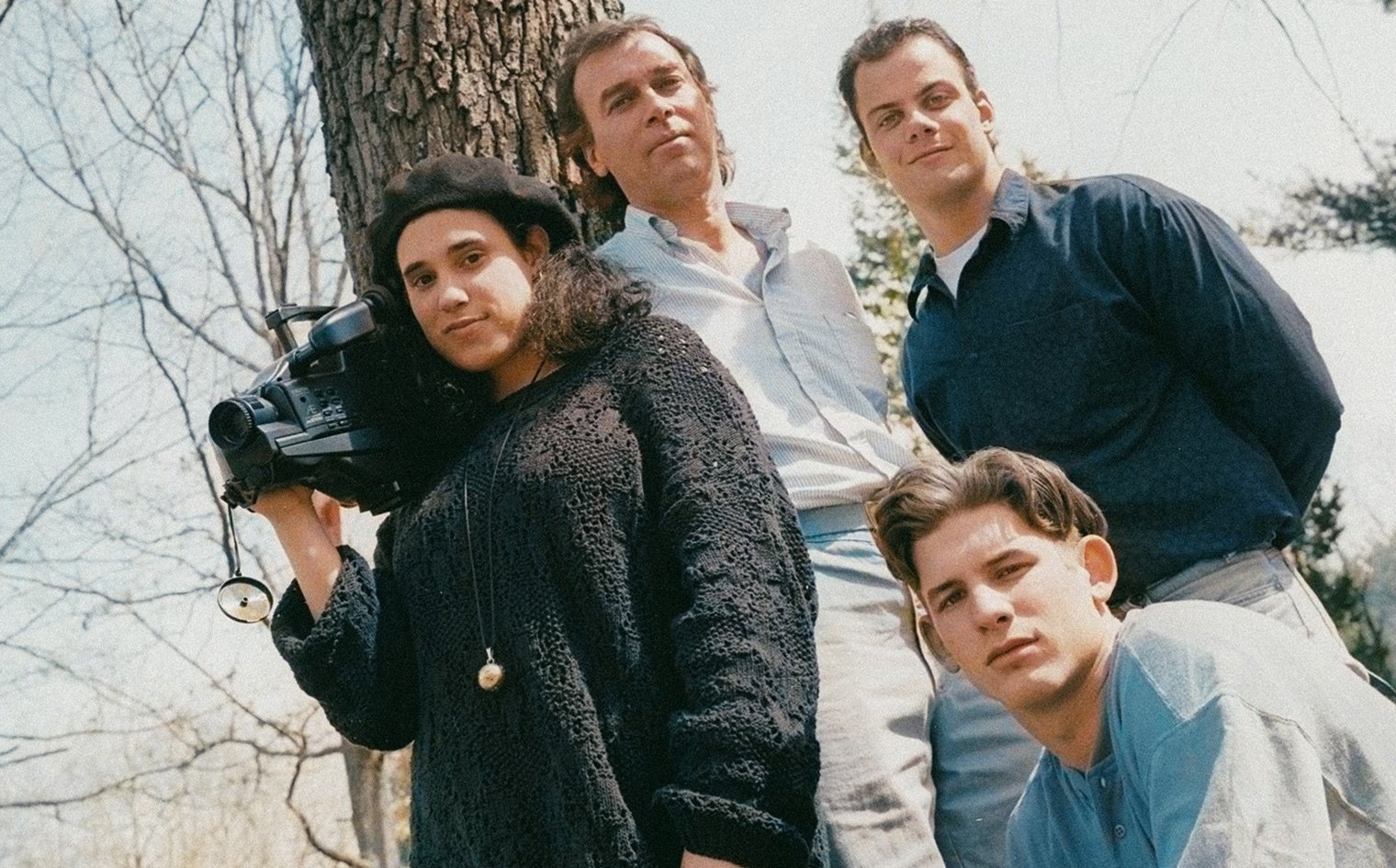
Middletown, N.Y., teacher Fred Isseks and his students began working on their "Garbage, Gangsters and Greed" documentary in the summer of 1991. The final version was published in 1997.
Now, 30 years later, a new documentary currently streaming on Netflix called “Teenage Wasteland” interviews the now-adult students from Middletown and recounts their tale (so it’s a documentary about a documentary; try to keep up).
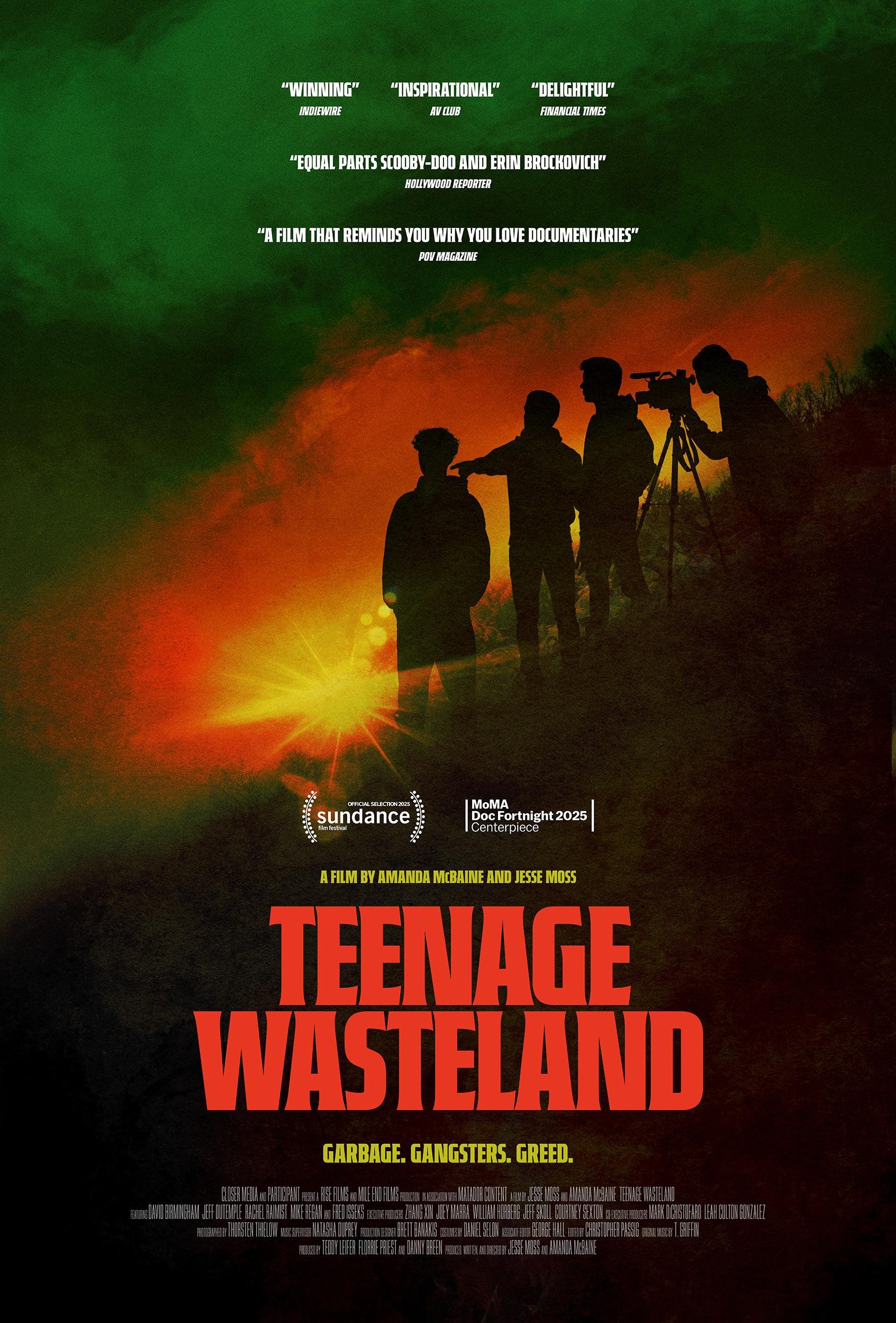
The new documentary “Teenage Wasteland” interviews the now-adult students from Middletown.
“Teenage Wasteland” recalls a time when America was a more diffused place. When local really meant local and schools were more freestanding in their curriculum. Electronic English? Sure. Just keep the kids engaged. A group of neighbors said there was sludge in their water. Wonder what that’s about? Let’s go find out!
And off they went, cameras in hand. What they uncovered was a tiny thread of a much larger story. The town’s landfills did turn out to be toxic. They also turned out to be part of a statewide pattern of illegal dumping – orchestrated by the mob. The students’ reporting uncovered a dangerous public health situation and forced local officials to respond to it on the record.
Score one for the good guys.
“Teenage Wasteland” reminds us why high school journalism is so universally important. Even though student reporting rarely leads to exposing largescale corruption, as it did in Middletown, that’s not really the point. The learning is in the doing. Whether they grow up to be journalists or not (and many do), there is civic discipline involved in simply teaching kids to ask questions of their public officials and expecting truthful answers in return. That shouldn’t be controversial.
In fact, one would hope that most everything in our well-manicured society could withstand a little teenage questioning, right? One would also hope that 99 times out of 100 those answers are satisfactory, the system is working, and we can all move onto the next thing, our curiosity satisfied, our trust amplified. Transparency and accountability are not things we should fear. When something isn’t working, we should fix it, and those approaching voting age have a right to be curious. They have a right to ask questions.
Another show airing on Amazon Prime shares a similar heartbeat.
“Murder 101” is a new three-episode limited docuseries about a present-day sociology teacher in rural Elizabethton, Tenn., who uses his classroom as a laboratory for gathering and evaluating evidence about a regional serial-murder cold case from the 1970s. It builds on a 10-episode podcast series of the same name. Through six years of studying the Redhair Murders as a classroom project, students have helped law enforcement develop a profile of the killer and definitively linked one suspect to at least six of the victims. It’s really incredible work.
In the docuseries, one student in particular becomes deeply invested in finding justice for these women, to the point where she keeps a photo of one of the victims on her desk to remind her to keep going. This is not some vapid 15-year-old. The expression on her face confirms she is serious.
I have seen that look in the eye of countless students over the last 20 years. It’s the look of someone who finally feels like they’ve found their place in the world. Like they’re doing something real, something important. When a student gets that look, grades no longer matter. They’d paint that fence for free.
There’s room for this type of learning in every subject area, of course, but nowhere is it more sacred or public-facing than in a high school journalism program. Scholastic journalism is the embodiment of a John Dewey-style classroom. The students are there to experiment and innovate. Their peers and parents will be the ultimate evaluators of their work. The teacher is there to set the goals and standards and get the hell out of the way.
That type of environment leaves a lasting impression on kids. Thirty years later, the students in “Teenage Wasteland” still take pride in their work. When I was interviewing former student journalists from the 1970s and 1980s for my dissertation, they had much the same glow. The discipline of reporting might look somewhat different now than it did in 1996, but honestly? Not really. Journalism is still a human act. It is the act of physically going to specific places, gathering firsthand information from informed sources, and sharing It with the public in ways they can understand.
High school journalists in Mississippi do this regularly.
Students from Tupelo High School and St. Joseph Catholic School have partnered in recent years to cover part of the legislative session in Jackson. In 2016, two students from Madison Central High School’s newspaper and yearbook staffs covered then-candidate Donald Trump’s rally in their gymnasium. Way back in 2012, my own students at Starkville High School convened the town’s only mayoral debate of the cycle, planned the entire thing themselves and asked tough, uncensored questions to each of the three candidates. On live local television!
I could point to hundreds of other examples in classrooms across the country. They matter today and they will matter down the road. Most of the kids in “Teenage Wasteland” didn’t grow up to be investigative journalists. Most of the kids in “Murder 101” will not grow up to solve homicides. But all of them mature to be citizens in a democracy where there is a severe deficit of public trust in both media and law enforcement.
We shouldn’t shelter students from those realities. We should put them to work.
———————————————————————-
R.J. Morgan is instructional professor in the School of Journalism and New Media at the University of Mississippi, director of the Mississippi Scholastic Press Association and a member of the Overby Center panel of experts.
